With more than 10‑year industry experience, Shandong Headpowder delivers full‑service pneumatic‑conveying systems and blowers, undertaking nationwide turn‑key powder‑handling projects.
For industrial applications involving the transportation of soap granules, efficient and reliable powder conveying systems are essential to maintain product quality and operational efficiency. This article explores the fundamental principles behind soap granule powder conveying lines, as well as the key working scene characteristics that define their performance and suitability for various industrial settings. The focus is on the technical aspects and practical applications of these systems, providing a comprehensive overview for professionals in the chemical and manufacturing sectors.
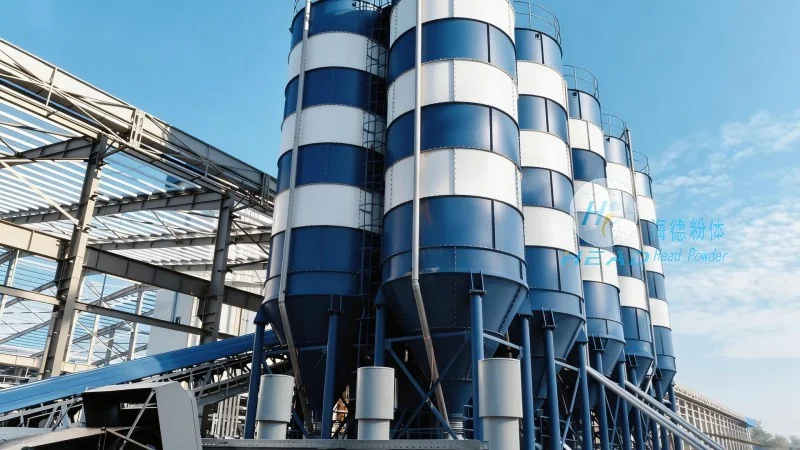
HeadPowder, operating as Shandong HeadPowder Engineering Co., Ltd., is a leading provider of specialized engineering solutions for powder handling and material transport. With a strong presence in China, particularly in Shandong province, the company has established itself as a trusted partner for businesses seeking advanced and reliable powder conveying systems. HeadPowder’s expertise lies in designing, manufacturing, and implementing customized solutions that meet the unique demands of industrial processes, ensuring optimal performance and durability in demanding environments.
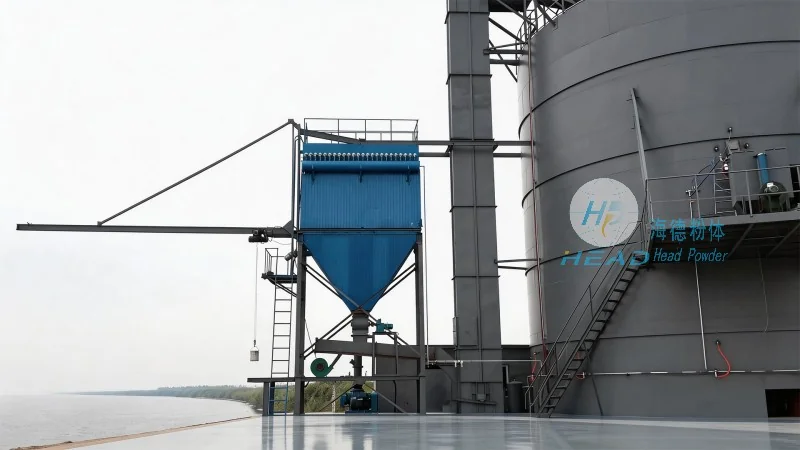
The core principle of soap granule powder conveying lines revolves around the efficient movement of granular materials from a source to a destination, while maintaining product integrity and minimizing material loss. These systems typically utilize a combination of mechanical components, such as conveyor belts, screw conveyors, or pneumatic transport mechanisms, to achieve the desired transport. The design of the conveying line is tailored to the specific properties of soap granules, including their size, density, and flow characteristics. For soap granules, which often have a relatively uniform particle size and moderate bulk density, the conveying system must be capable of handling these materials without causing degradation or segregation. The principle also emphasizes energy efficiency and low maintenance requirements, as these are critical factors in industrial operations.
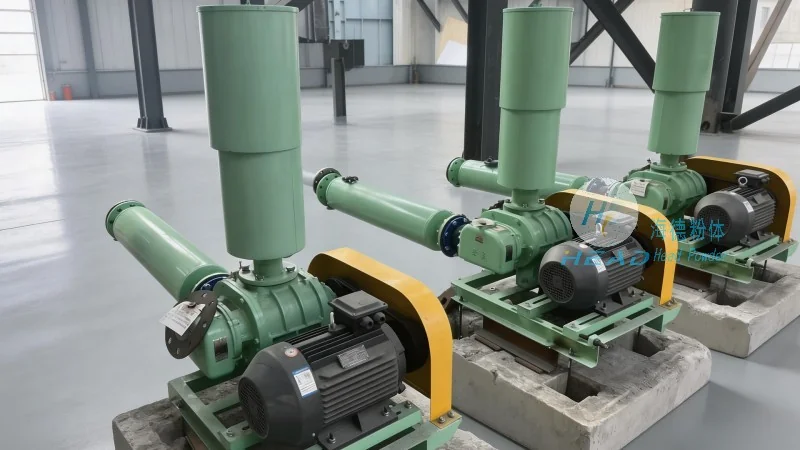
The working scene characteristics of soap granule powder conveying lines are influenced by several factors, including the scale of operation, the environment, and the specific requirements of the downstream processes. In large-scale manufacturing facilities, these systems are often integrated into automated production lines, requiring high throughput and consistent performance. The operational environment may involve exposure to moisture or temperature variations, which can affect the handling properties of the soap granules. Therefore, the conveying line must be designed with appropriate materials and sealing mechanisms to prevent contamination and ensure product purity. Additionally, the system’s ability to handle variations in feed rate and material consistency is crucial, as fluctuations in the input can impact the overall efficiency of the process. The working scene also includes considerations for safety and compliance with industrial standards, ensuring that the conveying line operates within regulatory frameworks and maintains a safe working environment for personnel.
Soap granule powder conveying lines are widely used in various industrial applications, including the production of detergents, personal care products, and industrial cleaning agents. In these scenarios, the system’s performance is measured by factors such as throughput capacity, material handling efficiency, and product quality retention. The ability to maintain the granule size distribution and prevent agglomeration or breakage is particularly important, as these factors directly impact the final product’s quality and performance. For example, in detergent manufacturing, the conveying line must ensure that soap granules are transported without clumping, which could affect the final product’s texture and effectiveness. The system’s reliability, measured by uptime and maintenance intervals, is another critical metric, as downtime can lead to significant production losses. Furthermore, the energy consumption of the conveying line is a key consideration, as reducing operational costs is a priority for many industrial operations. By optimizing the design and components of the conveying line, manufacturers can achieve higher efficiency and lower energy usage, contributing to overall cost savings.
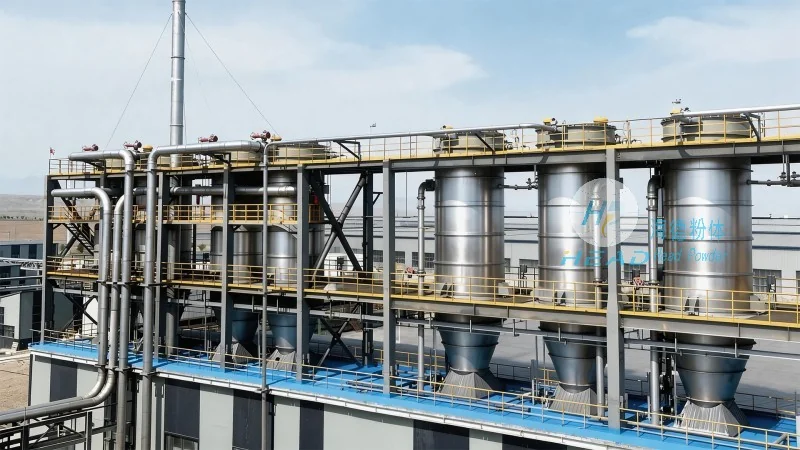
Given the diverse nature of industrial applications, soap granule powder conveying lines are often customized to meet specific requirements. HeadPowder, as a specialized engineering company, offers tailored solutions that integrate seamlessly with existing production lines. The customization process involves a thorough analysis of the client’s operational needs, including the volume of material to be transported, the distance between the source and destination, and the environmental conditions. Based on this analysis, the company designs a system that incorporates the most suitable conveying components, such as screw conveyors for horizontal transport or pneumatic systems for vertical or long-distance transport. The integration of the conveying line with other equipment, such as mixers, dryers, or packaging machines, is also a key aspect of the customization process. This ensures that the entire production process operates smoothly and efficiently, with minimal bottlenecks or inefficiencies. The company’s expertise in material handling and process engineering allows it to provide solutions that not only meet current needs but also accommodate future expansion or changes in production requirements.

 Shandong Headpowder Engineering Co., Ltd.
 156-6277-7102(Manager Zhang)
  0531-83386006
  Zhangqiu District, Jinan City, Shandong Province, China
telephone
WeChatconsult
top