

Principles and Working Scene Characteristics of Refractory Powder Conveying Equipment
Refractory powder conveying equipment is a critical component in industrial processes that handle high-temperature materials. Understanding its operational principles and typical application scenarios is essential for optimizing material handling efficiency and ensuring safety in various industrial environments. This article explores the fundamental principles behind these systems and highlights the key characteristics of their working scenes, providing insights into how such equipment is utilized in real-world industrial settings.
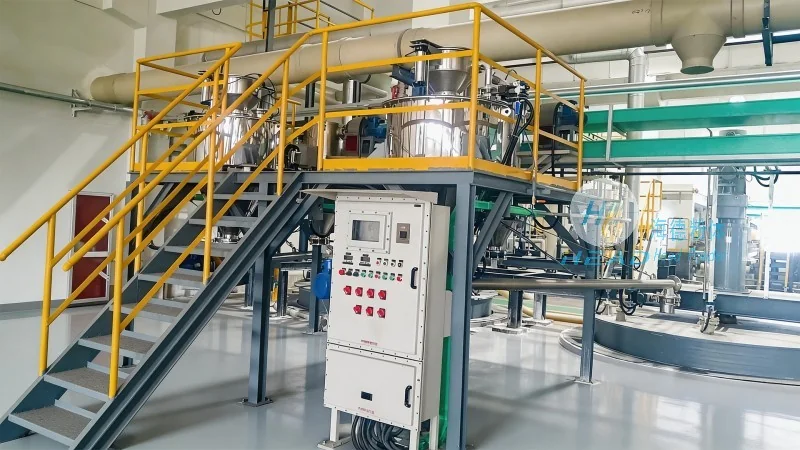
Company Introduction and Core Competence
HeadPowder, a leading manufacturer in the field, specializes in the design, development, and production of advanced refractory powder conveying solutions. With a strong focus on innovation and quality, the company has established itself as a trusted partner for industries requiring reliable and efficient material handling systems. HeadPowder Engineering Co., Ltd., based in Shandong, China, leverages years of experience and technical expertise to deliver customized solutions tailored to the unique needs of each client. The company's commitment to excellence is reflected in its state-of-the-art manufacturing facilities and rigorous quality control processes, ensuring that every product meets the highest industry standards.
Principles of Refractory Powder Conveying Equipment
The core principle of refractory powder conveying equipment revolves around the efficient and safe transport of fine powders, typically used in high-temperature applications such as steelmaking, cement production, and glass manufacturing. These systems are engineered to handle materials that are often abrasive, dusty, and sensitive to moisture or contamination. The primary mechanisms include pneumatic conveying, where air or gas is used to move the powder through pipelines, and mechanical conveying, which employs screw conveyors, belt conveyors, or bucket elevators. Pneumatic systems are particularly effective for long-distance or high-volume transport, while mechanical systems are preferred for short-distance or bulk material handling. Both methods are designed to minimize material degradation, prevent dust emissions, and ensure consistent flow rates, which are crucial for maintaining process stability and product quality.
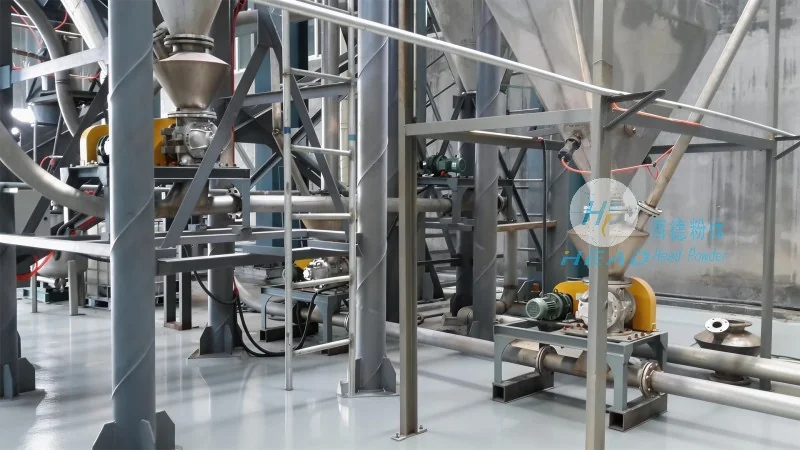
Working Scene Characteristics of Refractory Powder Conveying Equipment
The working scenes where refractory powder conveying equipment is deployed vary significantly based on the industry and specific application requirements. In steel mills, for example, these systems are used to transport raw materials like limestone, dolomite, and iron ore to furnaces, where precise control over material feed is essential for optimizing the smelting process. The high-temperature environment and the need for dust-free operation make the selection of appropriate materials and sealing systems critical. In cement plants, the equipment is employed to convey raw materials and clinker, ensuring a continuous and controlled supply to the kilns. The working environment here is characterized by high dust levels and the need for robust equipment capable of withstanding abrasive wear and thermal stress. Glass manufacturing facilities also utilize refractory powder conveying systems to transport materials like silica sand and soda ash to the melting furnaces. The working scene in this industry demands equipment that can handle fine, low-density powders and maintain a clean, contamination-free process, as even minor impurities can affect the quality of the final glass product.
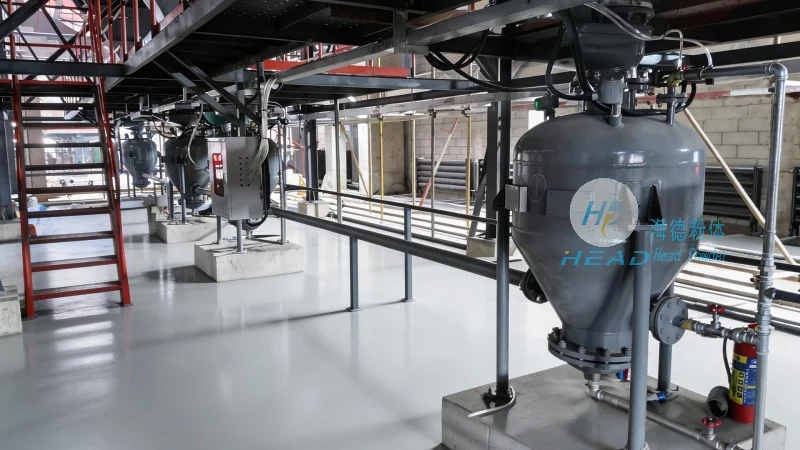
Key Features and Advantages in Practical Applications
When evaluating refractory powder conveying equipment, several key features and advantages stand out in practical applications. One of the most significant is the ability to handle a wide range of powder types, from fine to coarse, and with varying moisture content. This versatility allows the equipment to be adapted to different industrial processes without the need for extensive modifications. Another critical feature is the system's ability to minimize dust emissions, which is vital for maintaining a safe working environment and complying with environmental regulations. Advanced sealing and filtration technologies are integrated into the design to achieve this, ensuring that the equipment operates efficiently while protecting both personnel and the surrounding environment. Additionally, the equipment is designed for easy maintenance and cleaning, which reduces downtime and operational costs. The use of durable materials, such as stainless steel and special alloys, enhances the equipment's longevity and resistance to wear and corrosion, making it suitable for harsh industrial conditions.
Conclusion and Industry Impact
In conclusion, refractory powder conveying equipment plays a vital role in modern industrial operations, particularly in sectors that rely on high-temperature processes and fine material handling. The principles underlying these systems, combined with their adaptability to various working scenes, make them indispensable tools for optimizing material flow and ensuring process efficiency. Companies like HeadPowder Engineering Co., Ltd. continue to advance the technology by incorporating innovative solutions that address the evolving needs of the industry. By understanding the operational principles and characteristics of these systems, industrial operators can make informed decisions that enhance productivity, improve safety, and reduce operational costs. The continued development and application of such equipment will undoubtedly contribute to the growth and sustainability of industries that depend on efficient material handling solutions.