With more than 10‑year industry experience, Shandong Headpowder delivers full‑service pneumatic‑conveying systems and blowers, undertaking nationwide turn‑key powder‑handling projects.
Industrial salt is a critical raw material in various industries, including chemical manufacturing, food processing, and water treatment. The efficient and reliable transportation of salt powder is essential for maintaining production efficiency and ensuring product quality. This article explores the principles and working scene characteristics of industrial salt powder conveying equipment, highlighting the technical aspects and practical applications in industrial settings.
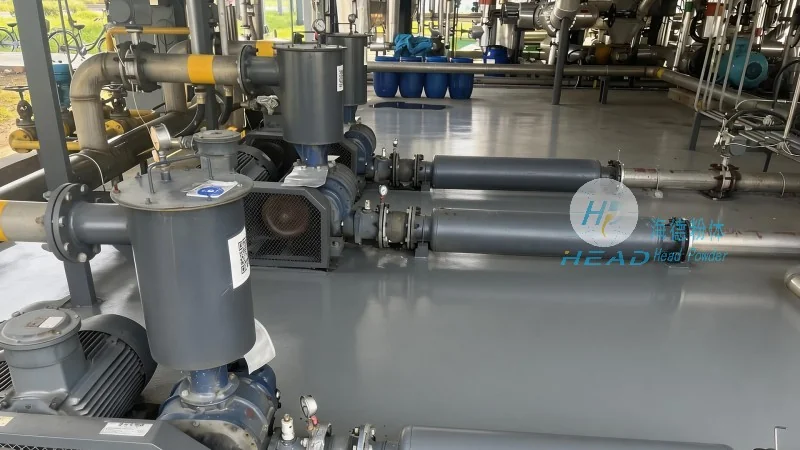
The operation of industrial salt powder conveying equipment is based on several fundamental principles that ensure stable and continuous material transport. One of the primary mechanisms is the use of air or mechanical forces to move the powder through a pipeline or conveyor system. In pneumatic conveying systems, for example, compressed air is used to create a flow that propels the salt particles forward. This method is particularly effective for handling fine powders and can be adapted to various production scales. Mechanical conveying systems, such as screw conveyors or belt conveyors, rely on physical movement to transport the material, offering advantages in certain environments where air quality is a concern. The choice between pneumatic and mechanical systems depends on factors like the particle size, moisture content, and the required conveying distance. For industrial salt, which typically consists of coarse to fine granules, a combination of both methods may be employed to optimize performance. The design of the conveying equipment must consider the density, flowability, and potential for caking or agglomeration of the salt, as these properties directly impact the efficiency of the transport process.
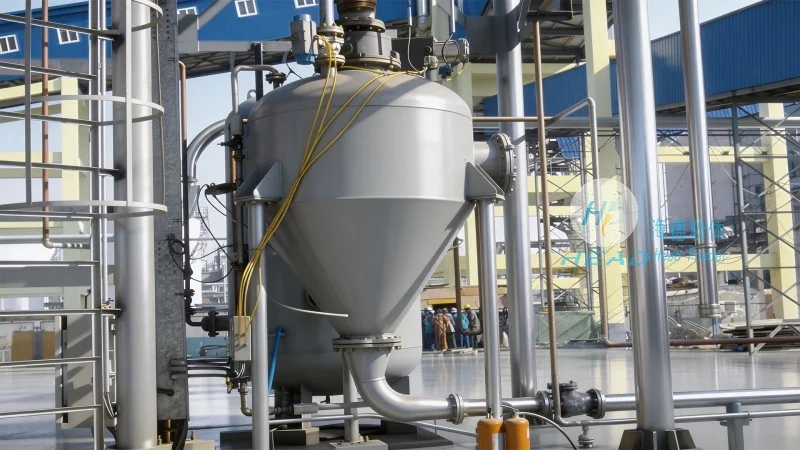
The working scene characteristics of industrial salt powder conveying equipment vary significantly based on the specific application and production environment. In chemical plants, for instance, the equipment is often integrated into large-scale production lines where salt is used as a reactant or a processing aid. The conveying system must be capable of handling high volumes of material while maintaining precise control over the flow rate. This is crucial for processes that require consistent salt addition to reactors or mixers. In food processing facilities, the equipment operates under stringent hygiene standards, ensuring that the salt remains free from contaminants and is suitable for human consumption. The conveying equipment in such settings is typically made of stainless steel and equipped with cleaning mechanisms to prevent cross-contamination. Water treatment plants also utilize salt powder for processes like brine production and desalination, where the conveying system must be robust enough to handle high concentrations of salt and resist corrosion. The working environment may involve exposure to moisture, high temperatures, or aggressive chemicals, necessitating the use of corrosion-resistant materials and proper sealing to prevent leaks or material loss. Additionally, the equipment must be designed for easy maintenance and cleaning, as regular upkeep is essential to maintain operational efficiency and comply with safety regulations.

Modern industrial salt powder conveying equipment offers several technical advantages that enhance operational efficiency and reduce downtime. One key advantage is the ability to handle a wide range of particle sizes and moisture contents without compromising performance. This flexibility allows the equipment to be used in diverse applications, from bulk storage and handling to precise dosing in production processes. The use of advanced control systems enables real-time monitoring of the conveying process, allowing operators to adjust parameters such as air pressure or conveyor speed as needed. This dynamic control helps maintain consistent material flow and prevents issues like blockages or overloading. Another advantage is the integration of safety features, such as emergency shut-off valves and pressure relief systems, which protect both the equipment and personnel from potential hazards. The equipment is also designed for energy efficiency, minimizing power consumption while maintaining high conveying rates. This not only reduces operational costs but also aligns with environmental sustainability goals. Furthermore, the modular design of many conveying systems allows for easy expansion or modification as production needs change. This adaptability ensures that the equipment can grow with the business, providing long-term value and reducing the need for frequent replacements.
Real-world applications of industrial salt powder conveying equipment demonstrate its effectiveness in improving operational efficiency across various industries. In a chemical manufacturing plant, the equipment is used to transport salt from storage silos to reactors, where it is used as a reactant in the production of sodium hypochlorite. The conveying system operates continuously, ensuring a steady supply of salt to the production line. This results in reduced downtime and increased productivity, as the plant can maintain a consistent output without interruptions. In a food processing facility, the equipment is used to transport salt for seasoning and preservation purposes. The precise control over the flow rate allows for accurate dosing, which is critical for maintaining product quality and meeting regulatory standards. The hygienic design of the equipment ensures that the salt remains free from contaminants, enhancing consumer safety. In water treatment plants, the conveying system is used to transport salt for brine production, which is essential for desalination processes. The robust construction of the equipment withstands the high salt concentrations and corrosive environment, ensuring long-term reliability. These examples highlight how the equipment contributes to improved operational efficiency, reduced costs, and enhanced product quality in industrial settings.
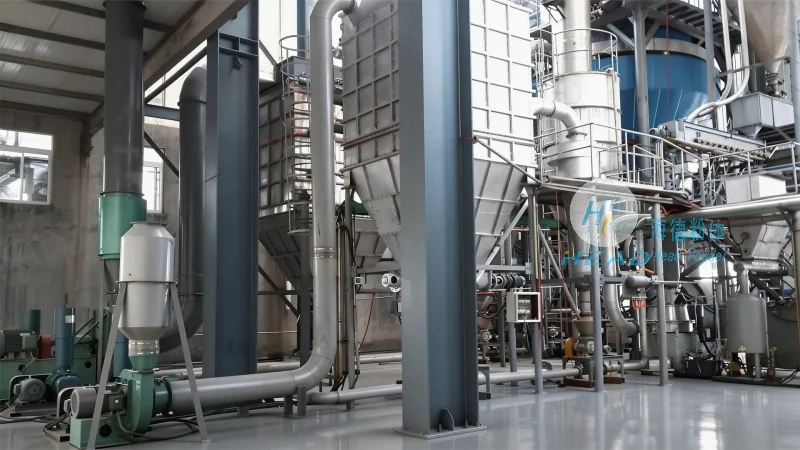
Shandong HeadPowder Engineering Co., Ltd., a leading manufacturer of industrial powder handling solutions, specializes in providing high-quality conveying equipment for various applications, including industrial salt handling. With years of experience in the industry, the company has developed a comprehensive range of products tailored to meet the specific needs of different sectors. The company's headquarters is located in Shandong, China, where a team of skilled engineers and technicians work to design and manufacture equipment that meets international standards. HeadPowder's commitment to quality and innovation has earned it a reputation for reliability and performance in the market. The company offers professional technical support, including installation, maintenance, and troubleshooting services, to ensure that customers can maximize the efficiency of their conveying systems. By partnering with HeadPowder, industrial facilities can benefit from expert guidance and customized solutions that enhance their operational capabilities. The company's focus on customer satisfaction and long-term relationships has made it a trusted choice for businesses seeking reliable powder handling equipment.

 Shandong Headpowder Engineering Co., Ltd.
 156-6277-7102(Manager Zhang)
  0531-83386006
  Zhangqiu District, Jinan City, Shandong Province, China
telephone
WeChatconsult
top