

Principle and Working Scene Characteristics of Soybean Pneumatic Conveying Equipment
HeadPowder, a leading engineering firm based in Shandong, China, specializes in the design and manufacturing of advanced pneumatic conveying systems. With a strong commitment to innovation and quality, the company has established itself as a trusted partner in the agricultural and industrial sectors, providing efficient and reliable solutions for material handling challenges.
Principle of Pneumatic Conveying for Soybean Handling
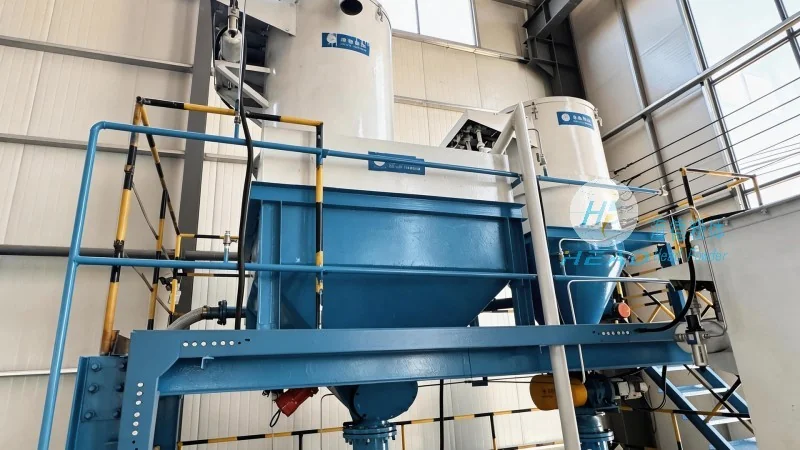
Pneumatic conveying equipment operates on the fundamental principle of using air pressure to transport bulk materials like soybeans. The system typically consists of a hopper, a conveyor line, and a receiver. As soybeans are fed into the hopper, a fan or blower generates a high-velocity airflow that lifts the beans and propels them through the pipeline to the desired destination. This method eliminates the need for mechanical components such as belts or chains, reducing maintenance costs and minimizing the risk of product contamination. The air pressure and velocity are carefully controlled to ensure optimal flow rates and prevent material degradation or blockages. The design of the conveying line, including the use of bends, filters, and cyclones, is crucial for maintaining consistent performance and preventing dust accumulation. By leveraging the principles of fluid dynamics, HeadPowder's systems achieve efficient and hygienic transport of soybeans, making them ideal for food processing and storage applications.
Working Scene Characteristics and Applications
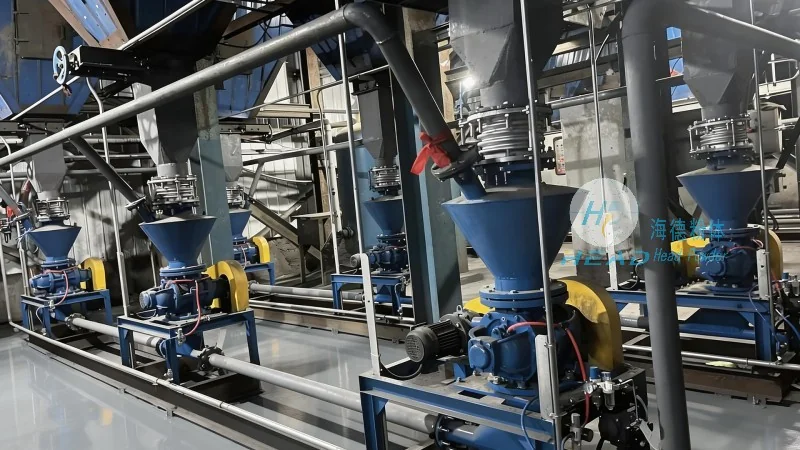
The working scene characteristics of soybean pneumatic conveying equipment are tailored to meet the diverse needs of agricultural and industrial operations. In warehouse and storage facilities, these systems enable the rapid transfer of large quantities of soybeans from storage bins to processing lines, improving operational efficiency and reducing labor costs. The equipment is particularly suited for environments where hygiene and product purity are paramount, such as in food processing plants. The flexible design allows for integration with existing infrastructure, making it a cost-effective solution for upgrading or expanding material handling capabilities. Additionally, the systems can be customized to handle varying soybean sizes and moisture levels, ensuring consistent performance across different operational conditions. The use of pneumatic conveying also minimizes product damage, as the beans are transported gently without mechanical abrasion. This is especially important for high-value soybean varieties used in premium food products or industrial applications. The equipment's ability to operate in both positive and negative pressure modes provides versatility, allowing it to handle both loading and unloading tasks efficiently. Overall, the working scene characteristics of HeadPowder's soybean pneumatic conveying systems reflect a balance of efficiency, reliability, and adaptability, making them a preferred choice for businesses in the agricultural and food processing industries.
Working Process and Operational Efficiency
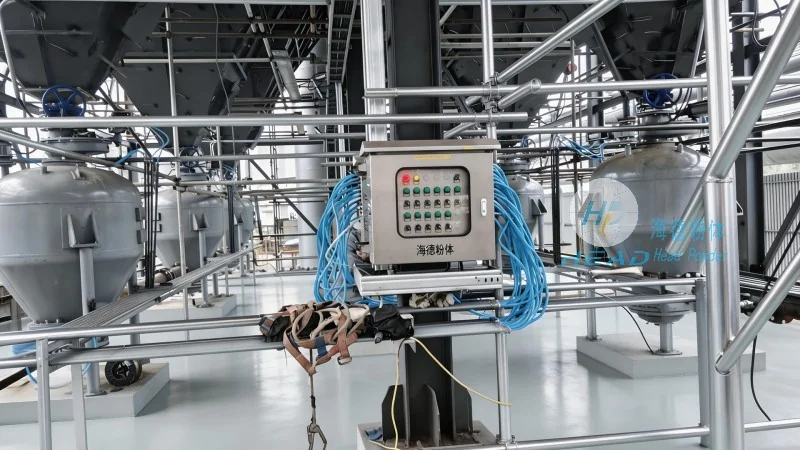
The operational process of soybean pneumatic conveying equipment involves several key steps that ensure smooth and continuous material transport. Initially, soybeans are stored in bulk containers or silos and fed into the hopper via a gravity or mechanical feeder. The feeder controls the flow rate to match the system's capacity, preventing overloading and maintaining consistent air pressure. The fan or blower then generates the necessary airflow, which is directed through the conveying line. As the soybeans enter the pipeline, they are suspended by the air current and carried to the receiver, which is typically located at the processing facility or storage area. The receiver may include a cyclone separator to separate the soybeans from the air, ensuring that the product is collected without dust or debris. The system's control panel allows operators to monitor and adjust parameters such as air pressure, flow rate, and temperature in real-time, ensuring optimal performance. This level of control enhances operational efficiency and reduces downtime. The use of advanced materials and components, such as stainless steel for the conveying line and high-efficiency filters, further contributes to the system's durability and longevity. HeadPowder's systems are designed to operate with minimal maintenance, reducing operational costs and increasing the return on investment for users. The integration of sensors and automation technology allows for predictive maintenance, alerting operators to potential issues before they cause disruptions. This proactive approach to maintenance ensures that the equipment remains in peak condition, delivering reliable performance over the long term.
Application Scenarios and Industry Benefits
Soybean pneumatic conveying equipment is widely used in various industry scenarios, each tailored to the specific requirements of the application. In agricultural settings, the equipment is commonly employed in soybean farms and processing plants to transport harvested beans from storage silos to processing lines. This enables farmers and processors to handle large volumes of soybeans efficiently, reducing the time and labor required for manual handling. The equipment's ability to operate in both indoor and outdoor environments makes it suitable for farms with varying infrastructure. In food processing plants, the system is used to transport soybeans to production lines for further processing, such as grinding or extrusion. The hygienic design of the equipment, with smooth surfaces and easy-to-clean components, ensures compliance with food safety regulations. The gentle handling of the beans minimizes damage, preserving the quality and nutritional value of the product. In industrial applications, such as the production of soybean oil or protein isolates, the equipment is used to transport raw materials to processing equipment. The consistent flow rates and low contamination risk make it ideal for high-purity applications. The equipment's flexibility allows it to be integrated with other processing systems, creating a seamless material handling workflow. The benefits of using pneumatic conveying in these scenarios include increased productivity, reduced labor costs, and improved product quality. By eliminating the need for manual handling and mechanical conveyors, the system reduces the risk of product contamination and damage, which is critical for maintaining product integrity. Overall, the application scenarios of HeadPowder's soybean pneumatic conveying equipment demonstrate its versatility and effectiveness in meeting the diverse needs of the agricultural and industrial sectors.