With more than 10‑year industry experience, Shandong Headpowder delivers full‑service pneumatic‑conveying systems and blowers, undertaking nationwide turn‑key powder‑handling projects.
HeadPowder, a leading engineering firm based in Shandong, China, specializes in the design and implementation of advanced material handling solutions, including pneumatic conveying systems for lithium oxalate. This article delves into the working principle and key characteristics of such systems, providing a comprehensive overview for industry professionals seeking efficient and reliable material transport solutions.
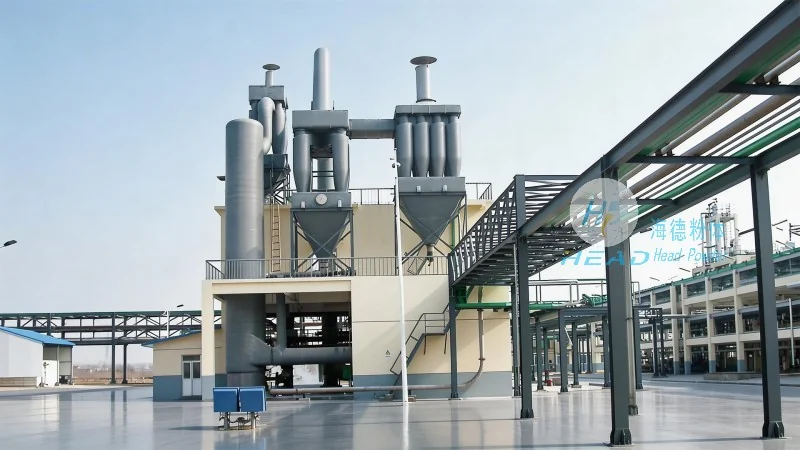
Lithium oxalate is a critical raw material in the production of lithium-ion batteries, and its handling requires precision and efficiency. Pneumatic conveying systems offer a non-contact, low-maintenance method to transport this material from storage to processing units. These systems are designed to handle the specific properties of lithium oxalate, ensuring minimal product degradation and optimal system performance.
The core of a pneumatic conveying system involves the use of compressed air to transport solid materials like lithium oxalate through a pipeline. The process typically begins with the material being fed into a hopper or feeder, where it is then introduced into the conveying line. Compressed air, generated by a blower or compressor, is introduced at one end of the pipeline, creating a pressure differential that propels the material forward. The air and material mixture travels through the pipeline, with the air velocity maintained at a level sufficient to keep the material in suspension, preventing clogging and ensuring smooth transport.
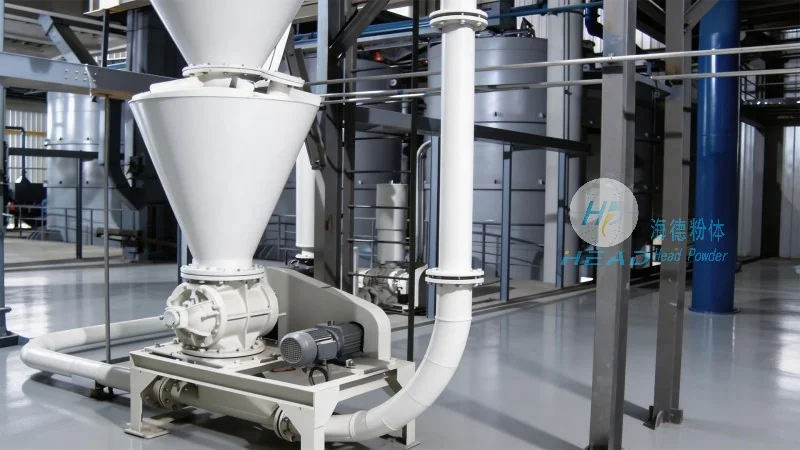
Several distinct features make pneumatic conveying systems ideal for lithium oxalate handling. Firstly, the non-contact nature of the system minimizes product contamination and degradation, which is crucial for high-purity materials like lithium oxalate. Secondly, these systems offer high throughput and flexibility, allowing for the transport of varying material quantities and distances. Thirdly, they are relatively low in maintenance compared to mechanical conveying systems, reducing operational costs over time. Additionally, the enclosed pipeline design ensures environmental safety by preventing dust emissions and maintaining a controlled atmosphere.
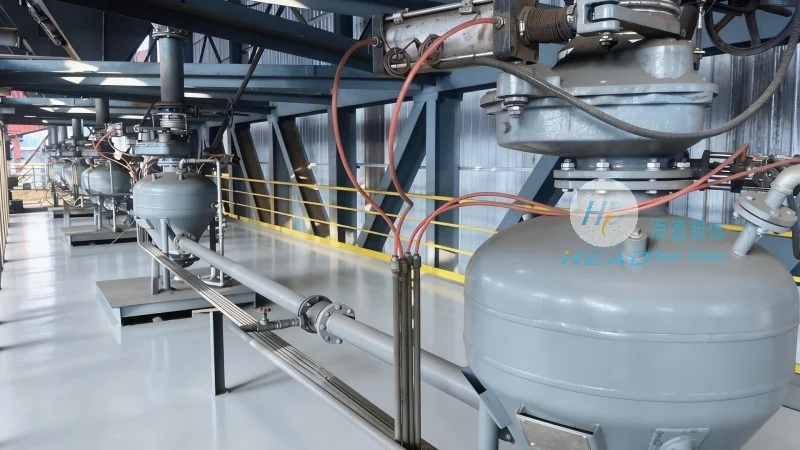
Effective pneumatic conveying of lithium oxalate relies on a well-designed system with several key components. These include the feeder or hopper for material input, the blower or compressor to generate the air flow, the conveying pipeline (often made of stainless steel or other corrosion-resistant materials to handle the chemical properties of lithium oxalate), and control valves to regulate the air pressure and material flow. Design considerations also involve the selection of appropriate air velocities and pipeline diameters to ensure efficient transport without excessive energy consumption. The system is typically designed to handle the specific flow characteristics and particle size distribution of lithium oxalate, optimizing performance and longevity.
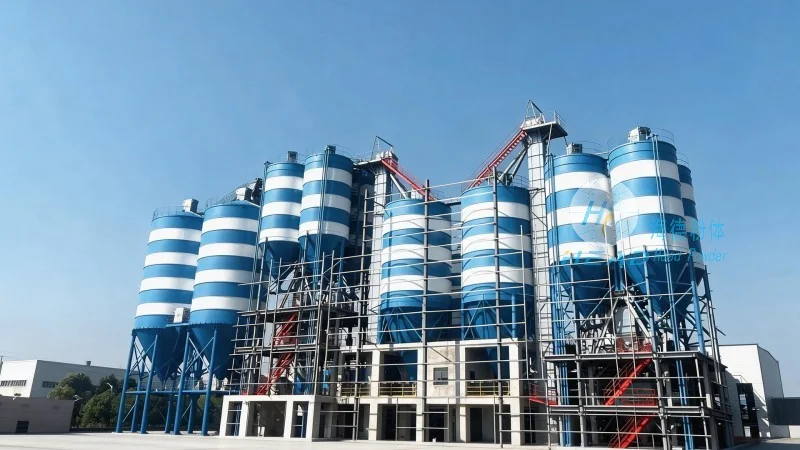
Lithium oxalate pneumatic conveying systems are widely used in the battery manufacturing industry, where the efficient and safe handling of raw materials is paramount. By leveraging the principles of pneumatic transport, these systems contribute to increased productivity, reduced downtime, and improved product quality. The systems are also adaptable to various production scales, from small-scale laboratory operations to large-scale industrial manufacturing, making them a versatile solution for lithium oxalate handling needs.
HeadPowder Engineering, headquartered in Shandong, China, is a professional engineering company dedicated to providing innovative material handling solutions. With years of experience in the industry, HeadPowder specializes in the design, manufacturing, and installation of pneumatic conveying systems tailored to the unique requirements of clients in the battery and chemical sectors. The company’s commitment to quality and customer satisfaction has established it as a trusted partner in the development of efficient material transport solutions, including those for lithium oxalate and other critical materials.

 Shandong Headpowder Engineering Co., Ltd.
 156-6277-7102(Manager Zhang)
  0531-83386006
  Zhangqiu District, Jinan City, Shandong Province, China
telephone
WeChatconsult
top