

Working Principle and Characteristics of Pneumatic Conveying for Fine Chemical Materials
HeadPowder, a leading provider in the field of material handling solutions, specializes in pneumatic conveying systems tailored for fine chemical materials. This article explores the fundamental working principles and key characteristics of pneumatic conveying, highlighting how these systems efficiently transport delicate and sensitive materials while maintaining product integrity.
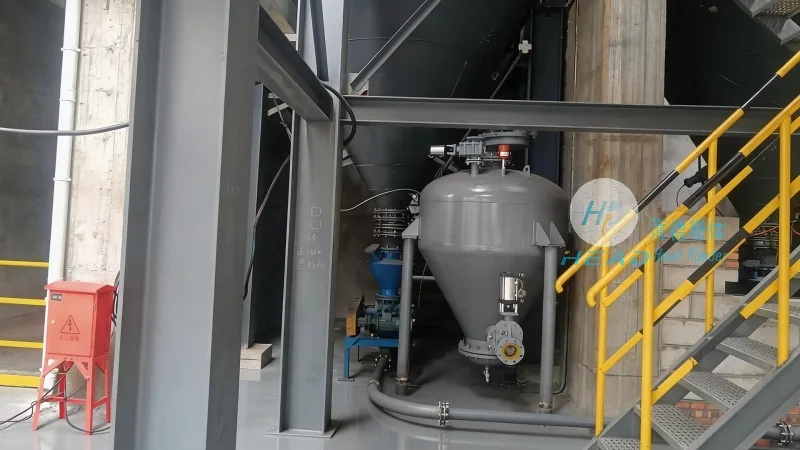
Introduction to Pneumatic Conveying for Fine Chemicals
At Shandong HeadPowder Engineering Co., Ltd., based in Shandong, China, we understand the unique challenges associated with handling fine chemical materials. These materials often require specialized transport methods to prevent degradation, contamination, or loss of quality. Pneumatic conveying offers a solution by using air or gas to move materials through a pipeline system. This technology is particularly valuable for industries dealing with powders, granules, and other particulate materials where traditional mechanical conveying methods may not be suitable.
The Working Principle of Pneumatic Conveying Systems
The core of pneumatic conveying systems lies in the interaction between the material and the air or gas that propels it. There are two primary types: positive pressure and negative pressure systems. Positive pressure systems generate air flow at the conveying point, pushing material through the pipeline. Negative pressure systems create a vacuum at the receiving end, drawing material from the source. For fine chemical materials, positive pressure systems are often preferred to maintain consistent air pressure and prevent contamination. The process involves feeding material into a hopper, then introducing it into the pipeline via a rotary valve or feeder. The material is entrained by the moving air stream, carried through the pipeline to the discharge point. Air velocity and particle size determine efficiency. Proper pipeline size, air mover type (blower or fan), and feeder design are crucial for optimal performance.
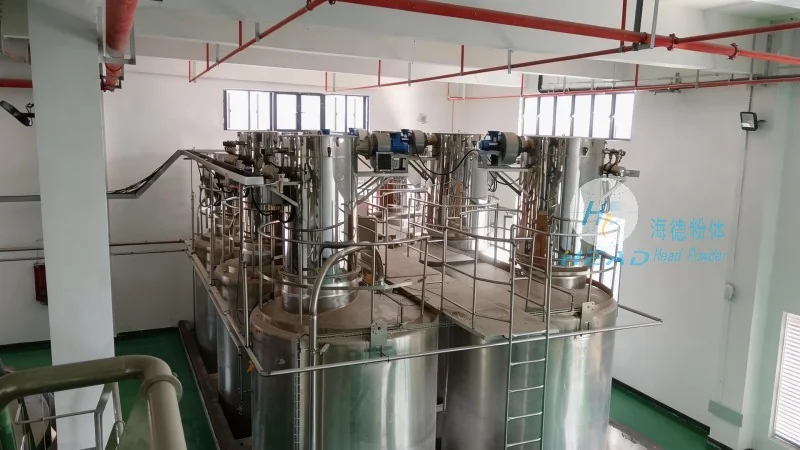
Key Characteristics and Advantages of Pneumatic Conveying for Fine Chemical Materials
Pneumatic conveying systems for fine chemicals exhibit distinct characteristics ideal for these applications. A major advantage is maintaining product integrity. The enclosed pipeline prevents exposure to moisture, dust, or contaminants, critical for sensitive materials. The system handles varying particle sizes and shapes, including fine powders prone to caking or agglomeration. Flexibility allows integration into existing production lines with branching pipelines for multiple destinations. High efficiency in material transport is another key feature. Compared to mechanical methods, pneumatic systems achieve faster, more consistent flow rates, reducing downtime and increasing productivity. Energy consumption is optimized via efficient air movers and proper design, making it cost-effective for long-distance transport. The system also handles abrasive materials without causing wear on components, as fine chemicals often contain harsh particles. Environmental benefits include reduced risk of spillage and contamination, contributing to a cleaner, safer environment—especially important for hazardous or strictly regulated materials.
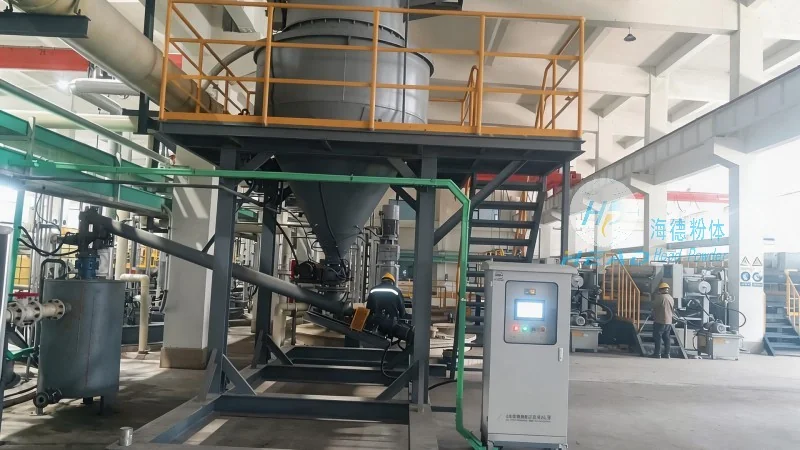
Applications and Considerations in Fine Chemical Processing
The effectiveness of pneumatic conveying for fine chemicals depends on material properties and plant requirements. For example, high-moisture or caking-prone materials may need drying or anti-caking agents. System design must account for potential blockages, mitigated by cleaning procedures or purge systems. Applications span pharmaceutical, food, and chemical industries for raw materials, intermediates, and finished products. The system’s ability to handle sensitive materials makes it indispensable where quality and safety are paramount. Scalability allows customization for small laboratory or large industrial facilities. Modern systems integrate sensors and controls to monitor flow rates, pressure, and material levels in real-time, enabling quick adjustments for optimal performance.
Conclusion and Company Expertise
Shandong HeadPowder Engineering Co., Ltd. leverages expertise in pneumatic conveying technology to provide tailored solutions for fine chemical material handling. By understanding unique challenges, our engineers design systems prioritizing product integrity, efficiency, and safety. The working principles and characteristics of pneumatic conveying demonstrate the technology’s effectiveness in modern industrial processes. Whether for short or long-distance transport, our systems deliver reliable, consistent performance, ensuring fine chemical materials are handled with care and precision. With a commitment to innovation and customer satisfaction, HeadPowder continues to lead in developing advanced material handling solutions for the fine chemical industry.