

Working Principle and Features of Cast Gray Powder Conveyors
Cast gray powder conveyors are critical equipment in the foundry industry, engineered to efficiently transport cast gray iron powders. Understanding their operational mechanics and key characteristics is essential for optimizing material handling processes within manufacturing environments. This article delves into the technical aspects of these conveyors, highlighting how they enhance productivity and operational reliability.
Introduction to Cast Gray Powder Conveyors
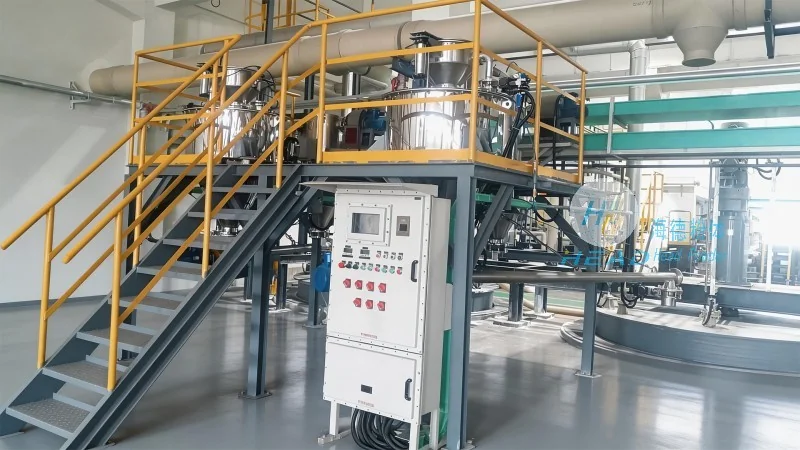
Cast gray powder conveyors, also referred to as gray iron powder handling systems, are specialized machinery designed to move gray iron powders between locations in foundries or industrial facilities. These systems are tailored to handle the unique properties of gray iron powders, including their fine particle size and potential for dust generation. The primary objective of these conveyors is to ensure safe, reliable, and efficient material transport, minimizing downtime and operational risks associated with manual handling.
Working Principle of Cast Gray Powder Conveyors
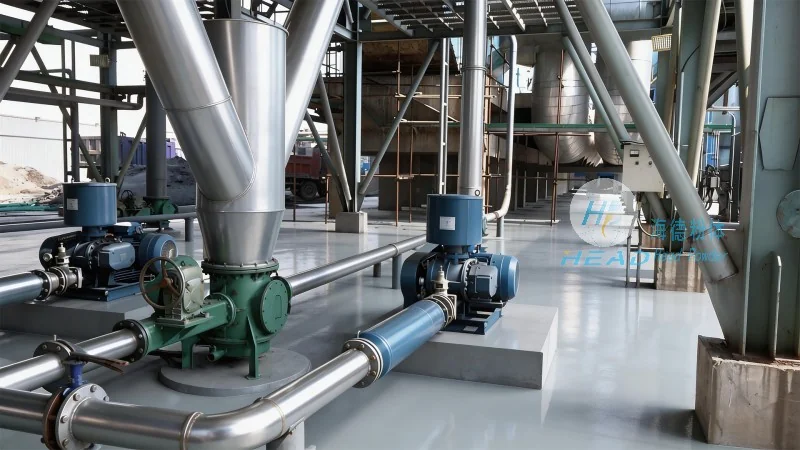
The working principle of cast gray powder conveyors typically involves a combination of mechanical components that work in concert to move powders. A common design includes an inlet hopper or feed hopper that collects gray iron powder and feeds it into the conveyor system. The conveyor mechanism—often a screw conveyor or a pneumatic system—then transports the powder through a pipeline or enclosed channel to the discharge point. For example, a screw conveyor uses a rotating screw to push the powder forward, while pneumatic systems utilize compressed air to create a flow of powder through the duct.
Key components in the working principle include the feed hopper, which ensures a consistent supply of powder, and the conveyor screw or air duct, which provides the motive force for movement. The discharge mechanism at the end of the conveyor ensures controlled release of the powder, preventing spillage and maintaining a clean working environment. Many systems also incorporate control valves and sensors to regulate flow rates and monitor performance, ensuring smooth operation.
Key Features of Cast Gray Powder Conveyors
Cast gray powder conveyors are distinguished by several features that make them suitable for handling gray iron powders. One critical feature is their ability to handle fine powders without clogging or blockages. This is achieved through optimized screw pitch and diameter, which prevent powder accumulation. The enclosed design of the conveyor system also helps contain dust, reducing environmental contamination and ensuring compliance with safety regulations.
Another significant feature is the system's durability and resistance to corrosion. Cast gray iron materials are commonly used in construction, providing a robust and long-lasting solution that can withstand harsh foundry conditions. High-quality materials and precision manufacturing ensure reliable operation over extended periods, reducing maintenance needs and operational costs.
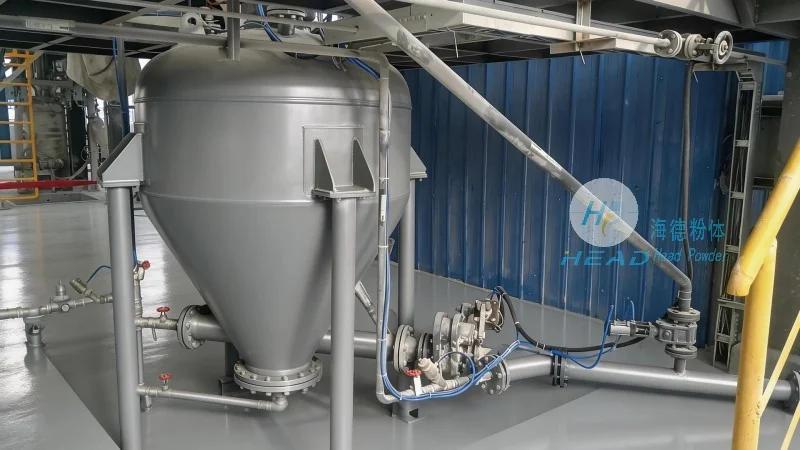
Efficiency is also a key feature. The design minimizes energy consumption while maximizing material throughput. Variable speed drives allow adjustment of conveyor speed based on flow rates, optimizing energy use and reducing waste. This enhances overall production efficiency, enabling foundries to meet targets without delays.
Applications and Benefits in Foundry Operations
Cast gray powder conveyors are widely used in foundry operations for transporting raw materials, intermediate products, and finished powders. They are particularly valuable where traditional systems may fail due to fine particle size and dust. Benefits include improved safety, as enclosed designs reduce dust exposure risks. Automated transport minimizes human error and ensures consistent quality, while seamless integration with other equipment (e.g., mixers, furnaces) optimizes material flow and reduces bottlenecks.
Conclusion
In summary, cast gray powder conveyors are indispensable for efficient material handling in the foundry industry. Their working principle, combining mechanical components to transport fine powders, and their key features—durability, dust containment, and efficiency—make them a reliable choice. By understanding these technical aspects, foundries can optimize processes, improve productivity, and comply with safety and environmental standards. Companies like Shandong HeadPowder Engineering Co., Ltd., based in China, play a vital role in providing high-quality conveyor systems tailored to specific foundry needs, ensuring operational excellence and long-term reliability.