

Working Principle and Characteristics of Wheat Bran Powder Conveying
Wheat bran, a byproduct of the milling process, is commonly used in animal feed, food production, and other industrial applications. Efficient and reliable powder conveying systems are essential for handling wheat bran, ensuring consistent quality and minimizing material loss. This article explores the working principles and key characteristics of wheat bran powder conveying systems, providing insights into their design, operation, and practical applications.
Understanding the Working Principle of Wheat Bran Powder Conveying
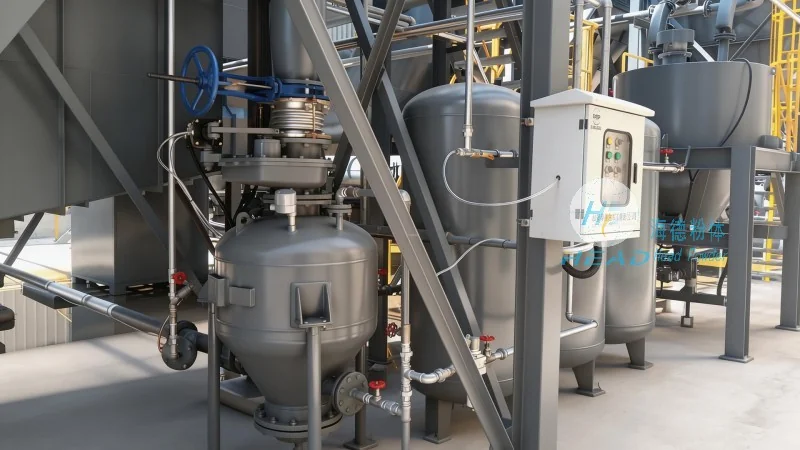
The core of wheat bran powder conveying lies in the movement of fine particles from a source to a destination. Conveying systems for wheat bran typically employ mechanical or pneumatic (air-based) methods, each with distinct mechanisms and advantages. Mechanical conveyors, such as screw conveyors and belt conveyors, utilize physical force to transport the material. Screw conveyors, for instance, feature a rotating helical screw inside a trough, pushing the wheat bran forward as it rotates. This method is effective for horizontal or slightly inclined transport and is often used in feed mills and processing plants. Belt conveyors, on the other hand, use a continuous belt to move the material, suitable for longer distances and larger volumes. Pneumatic conveyors, or air-based systems, operate by using compressed air to create a flow of air and material through a pipeline. The wheat bran is suspended in the air stream and transported to the desired location. This method is particularly useful for handling fine powders and can be adapted for vertical or horizontal transport, though it requires careful control of air pressure and flow rates to prevent material degradation or blockages.
Key Characteristics of Wheat Bran Powder Conveying Systems
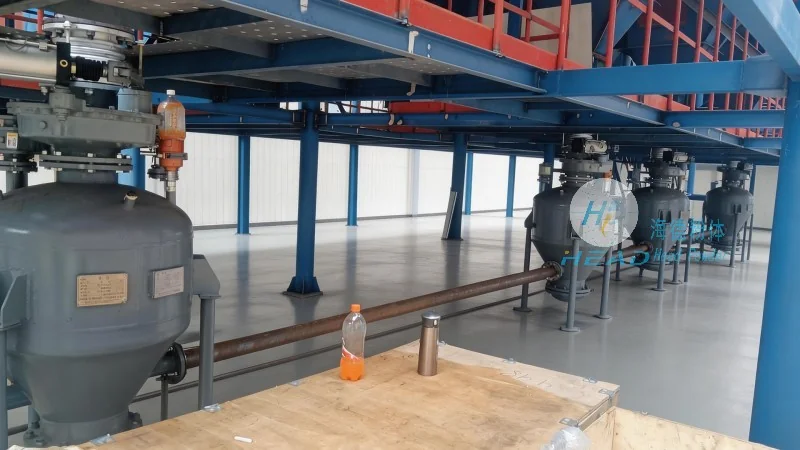
Several critical characteristics define the performance and suitability of wheat bran powder conveying systems. First, efficiency is a primary concern, as the system must minimize energy consumption while maximizing material throughput. Modern designs often incorporate variable speed drives and optimized airflow to achieve this balance. Second, material handling capacity is a key factor, as the system must accommodate the volume of wheat bran produced in industrial settings. The design of the conveyor, including the size of the trough or pipeline, and the speed of the moving parts, directly impacts the capacity. Third, dust control is essential, as wheat bran is a fine powder that can create dust during handling, posing health and safety risks. Conveying systems often include dust collection and filtration systems to maintain a clean environment and comply with regulatory standards. Fourth, durability and maintenance are important considerations, as the equipment must withstand the abrasive nature of wheat bran and operate reliably over long periods. High-quality materials, such as stainless steel or corrosion-resistant alloys, are commonly used in the construction of the conveyor components to ensure longevity. Additionally, features like easy access for cleaning and maintenance simplify upkeep and reduce downtime.
Applications and Advantages in Industrial Settings
Wheat bran powder conveying systems are widely used in various industries, including animal feed production, food processing, and biofuel manufacturing. In animal feed mills, these systems efficiently transport wheat bran to mixing and storage facilities, ensuring consistent feed quality. In food processing plants, they help move the material to production lines for further processing, such as making bran-based products or supplements. The advantages of these systems include improved productivity, reduced labor costs, and enhanced safety through automated material handling. By streamlining the transport process, companies can increase their operational efficiency and maintain high standards of quality control. Furthermore, the adaptability of conveying systems allows them to be integrated into existing production lines, minimizing disruption during installation and operation.
Conclusion and Company Overview
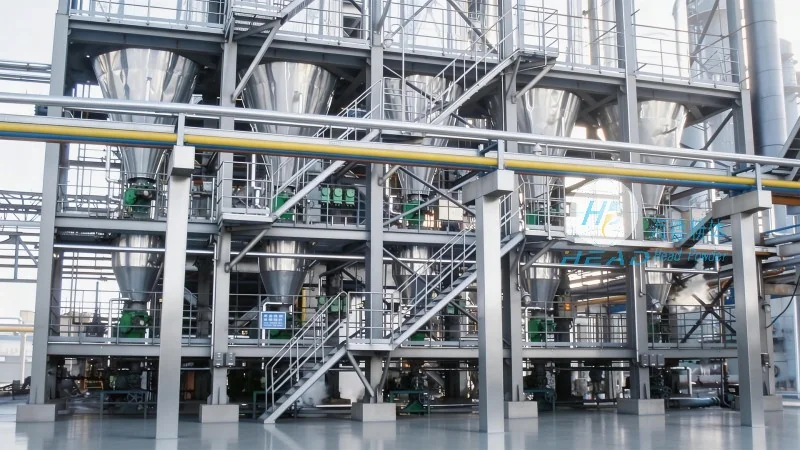
Wheat bran powder conveying systems are vital components in the processing and handling of wheat bran, offering efficient and reliable solutions for industrial applications. The working principles, which may involve mechanical or pneumatic methods, are designed to optimize material transport while addressing key characteristics such as efficiency, capacity, dust control, and durability. These systems play a crucial role in various industries, enhancing productivity and ensuring compliance with safety and quality standards. As a leading provider in the field, Shandong HeadPowder Engineering Co., Ltd. specializes in designing and manufacturing high-quality conveying systems tailored to the specific needs of wheat bran handling. With a focus on innovation and customer satisfaction, the company delivers solutions that meet the demands of modern industrial operations, ensuring the efficient and safe transport of wheat bran in diverse applications.