

Working Principle and Characteristics of Cereal Powder Conveying
For businesses in the food processing industry, particularly those dealing with cereal products, efficient and reliable powder handling is a critical operational requirement. The process of cereal powder conveying involves the movement of bulk materials from one location to another within a production facility. This article explores the working principles and key characteristics of modern cereal powder conveying systems, highlighting how they enhance operational efficiency and product quality. Shandong HeadPowder Engineering Co., Ltd., a leading provider of powder handling solutions, specializes in designing and manufacturing advanced systems tailored to the needs of the cereal industry.
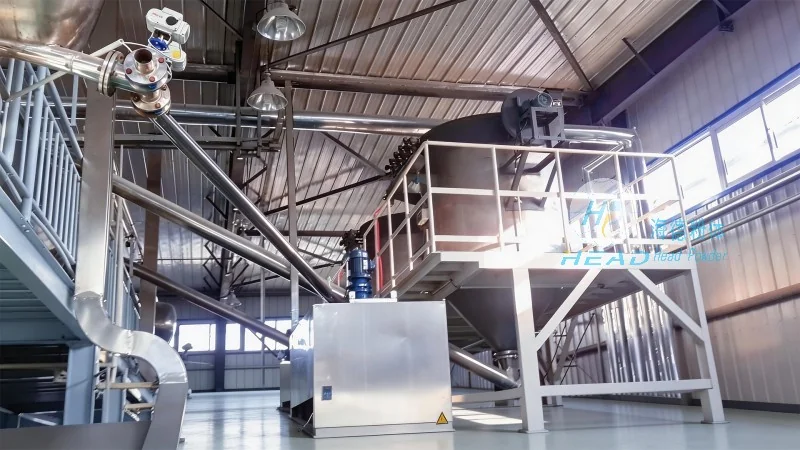
Understanding the Working Principle of Cereal Powder Conveying
The core working principle of cereal powder conveying systems revolves around the use of mechanical or pneumatic mechanisms to transport dry, granular materials like cereal powders. These systems are designed to handle materials that are often fine, free-flowing, and susceptible to bridging or caking, which can impede traditional conveying methods. The primary goal is to ensure consistent and controlled movement of the powder, minimizing material loss and maintaining product integrity. Common mechanical conveying methods include screw conveyors, bucket elevators, and belt conveyors. Each of these systems operates by utilizing rotational or linear motion to move the powder through a closed or open channel. For example, a screw conveyor uses a rotating helical screw to push the material forward, while a bucket elevator employs buckets attached to a chain or belt that lift the powder vertically and then discharge it at the top. These mechanical systems are often preferred for their simplicity, durability, and ability to handle a wide range of powder types without the need for compressed air.
Pneumatic conveying, on the other hand, relies on the use of air or gas to transport the powder through a pipeline. This method is particularly effective for handling fine powders that are prone to dust and contamination. The system typically consists of a hopper, a venturi or airlock, and a receiver. The powder is drawn into the pipeline by the air flow, which carries it to the destination. Pneumatic systems can be classified as either pressure or vacuum types, with pressure systems using compressed air to push the material and vacuum systems using suction to pull it.
Key Characteristics of Cereal Powder Conveying Systems
Modern cereal powder conveying systems exhibit several distinct characteristics that make them suitable for industrial applications. These features are designed to address the unique challenges of handling fine, dry materials and ensure optimal performance in production environments.
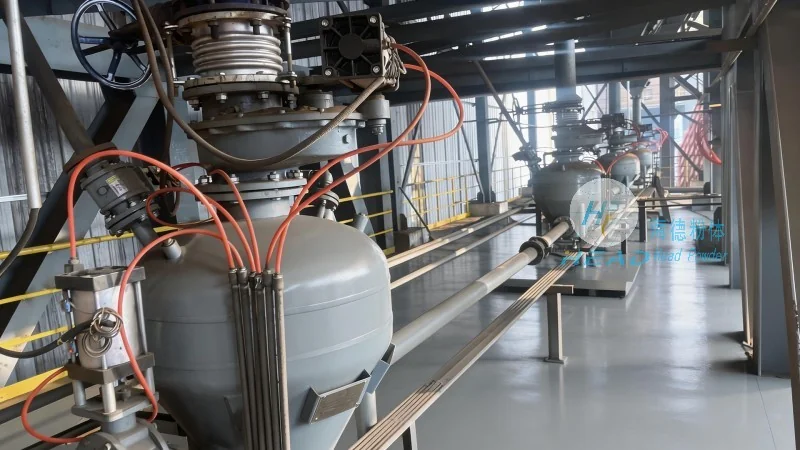
Firstly, efficiency and reliability are paramount. The systems are engineered to maintain consistent flow rates, minimizing downtime and ensuring that production lines operate smoothly. This reliability is crucial for maintaining product quality and meeting customer demands. Additionally, the design of these systems minimizes material degradation, such as agglomeration or breakage, which can affect the final product's texture and taste.
Secondly, versatility is a key characteristic. Cereal powder conveying systems can handle a wide variety of materials, including different types of cereals like wheat, oats, and corn, as well as other dry powders. This adaptability allows manufacturers to use a single system for multiple product lines, reducing the need for specialized equipment and lowering operational costs.
Thirdly, hygiene and safety are critical considerations. The systems are often constructed from materials that are easy to clean and maintain, such as stainless steel, to comply with food safety regulations. This ensures that the powder remains free from contaminants and that the equipment can be sanitized between batches. Safety features, such as dust suppression and explosion-proof designs, are also incorporated to protect both the equipment and personnel.
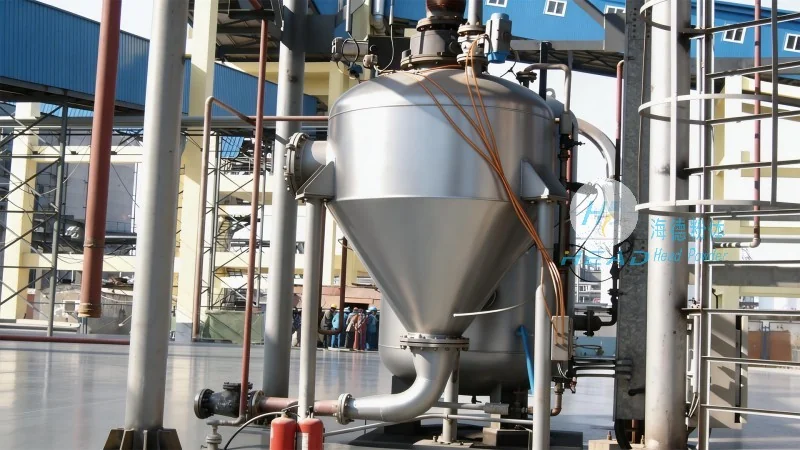
Fourthly, energy efficiency is increasingly important in modern industrial operations. Advanced conveying systems are designed to minimize energy consumption while maintaining performance. This includes the use of variable speed drives, which adjust the conveyor speed based on the material load, and the optimization of air flow in pneumatic systems to reduce energy waste.
Applications and Benefits in Food Processing
The effective implementation of cereal powder conveying systems offers numerous benefits to food processing facilities. By ensuring the smooth and efficient movement of raw materials, these systems contribute to overall operational efficiency. This leads to reduced production costs and increased output, which are essential for competitiveness in the market.
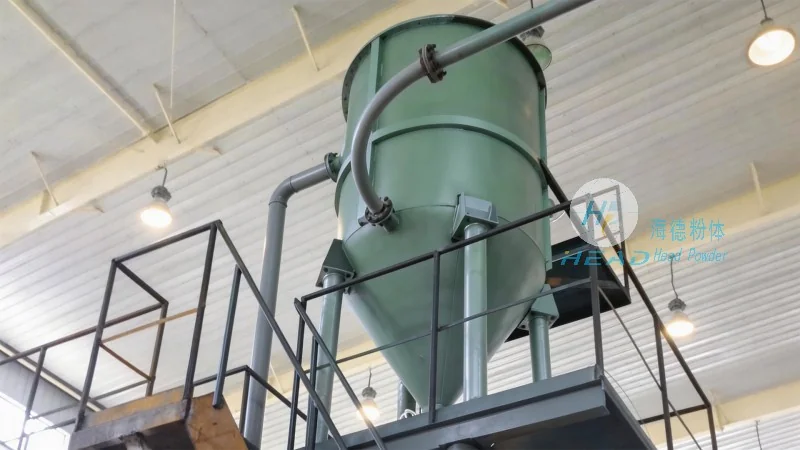
Moreover, the ability to handle fine powders without compromising quality is vital for maintaining product consistency. This is particularly important in the cereal industry, where product specifications are strictly regulated. The systems help in achieving uniform particle size distribution and preventing segregation, which can affect the final product's texture and appearance.
Another significant benefit is the improvement in workplace safety. By automating the powder handling process, the risk of manual handling of bulk materials is reduced, minimizing the potential for dust exposure and accidents. This not only protects employees but also helps in maintaining compliance with occupational health and safety regulations.
Conclusion
In conclusion, cereal powder conveying systems are essential components of modern food processing operations. Their working principles, which may involve mechanical or pneumatic mechanisms, are designed to efficiently and reliably transport dry, granular materials. The key characteristics of these systems, including efficiency, versatility, hygiene, and energy efficiency, make them indispensable for manufacturers dealing with cereal products. By investing in advanced conveying solutions, companies can enhance their operational performance, ensure product quality, and maintain compliance with industry standards. Shandong HeadPowder Engineering Co., Ltd. continues to innovate in this field, providing tailored solutions that meet the evolving needs of the food processing industry.