With more than 10‑year industry experience, Shandong Headpowder delivers full‑service pneumatic‑conveying systems and blowers, undertaking nationwide turn‑key powder‑handling projects.
For industries dealing with bulk materials such as dust and powders, efficient and reliable conveying systems are crucial for maintaining production efficiency and safety standards. The working principle and characteristics of dust powder conveying systems are fundamental to understanding how these technologies operate and why they are preferred in various industrial applications.
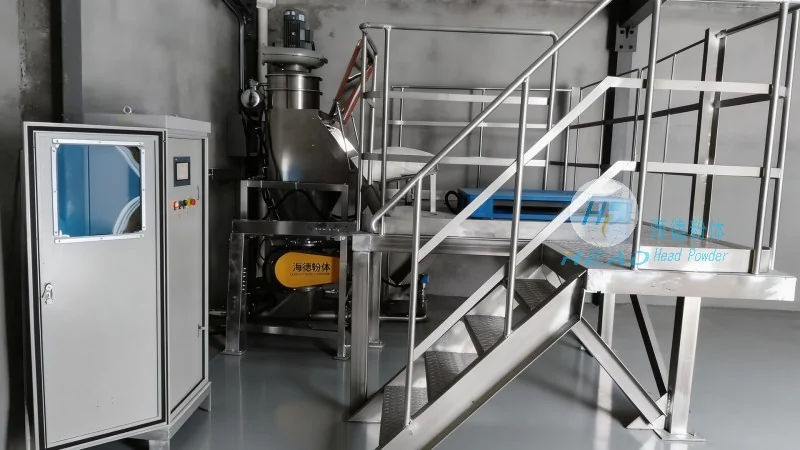
Dust powder conveying systems typically operate on the principle of transporting particulate materials through a closed or semi-closed pipeline using various mechanisms like pneumatic or mechanical methods. The core function is to move dry powders or fine dust from a source to a destination without causing segregation, agglomeration, or loss of material. In pneumatic conveying, for instance, compressed air or gas is used to create a flow that propels the powder particles through the pipeline. This method is particularly effective for materials that are light, fine, or have a tendency to create dust during handling.
Mechanical conveying systems, on the other hand, rely on mechanical components such as screws, belts, or buckets to move the material. These systems are often used for bulkier or more abrasive powders where pneumatic methods might not be as efficient. The choice between pneumatic and mechanical conveying depends on factors like material properties, distance of transport, and the required flow rate. In both cases, the system is designed to ensure minimal material degradation and consistent performance under varying conditions.
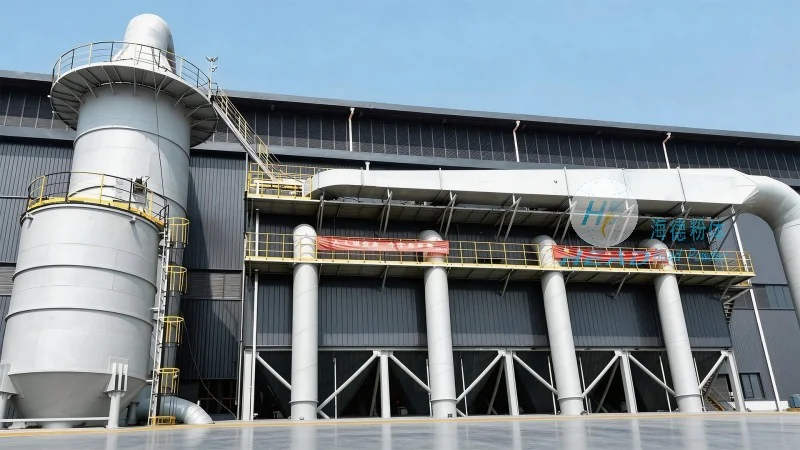
One of the primary characteristics of effective dust powder conveying systems is their ability to handle a wide range of material types, from fine powders to coarse granules. This versatility makes them suitable for industries including pharmaceuticals, food processing, chemical manufacturing, and mining. Another important characteristic is the system's ability to maintain material integrity. This includes preventing segregation, where different particle sizes separate during transport, and avoiding agglomeration, which can lead to blockages or reduced flow. Advanced systems often incorporate features like air filtration and material conditioning to enhance these characteristics.
Efficiency and energy consumption are also critical characteristics. Modern dust powder conveying systems are designed to minimize energy use while maximizing throughput. This is achieved through optimized pipeline designs, efficient air compressors, and variable speed drives that adjust to the load. Additionally, the systems are built for durability and low maintenance, ensuring long-term reliability in demanding industrial environments. Safety features are integrated to prevent dust explosions and ensure operator safety, which is paramount in industries dealing with combustible powders.
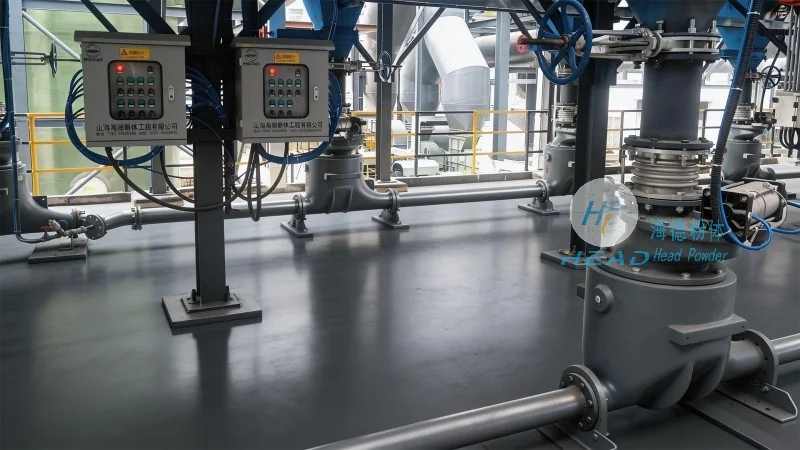
The technical advantages of dust powder conveying systems include high flexibility in layout, as pipelines can be installed in various configurations to suit plant layouts. This allows for efficient material transfer between different processing stages without the need for complex equipment or extensive reconfiguration. Another advantage is the ability to handle materials in a closed system, which reduces environmental contamination and improves workplace safety by containing dust and preventing exposure to harmful particles.
Practical applications of these systems span multiple industries. In the pharmaceutical industry, dust powder conveying is used to transport active ingredients and excipients with precision, ensuring that the final product meets strict quality standards. In food processing, similar systems are employed to handle powders like flour, sugar, and spices, maintaining hygiene and preventing cross-contamination. Chemical manufacturers use these systems for transporting raw materials and intermediates, while mining operations rely on them to move ore and other minerals from extraction sites to processing facilities.
Shandong HeadPowder Engineering Co., Ltd., commonly known as HeadPowder, is a leading provider of dust powder conveying solutions. With operations based in Shandong, China, the company specializes in designing, manufacturing, and installing customized conveying systems tailored to the specific needs of various industries. HeadPowder's expertise lies in understanding the unique challenges of handling dust and powders, and developing innovative solutions that enhance efficiency, safety, and material integrity.
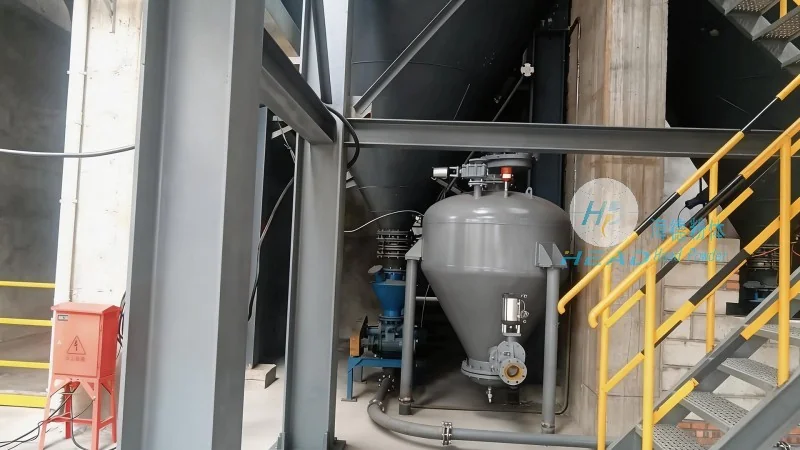
The company's product line includes a range of pneumatic and mechanical conveying equipment, from small-scale systems for laboratory use to large-scale industrial installations. Each system is engineered to meet the highest standards of performance and reliability, with features such as adjustable flow rates, air filtration, and material conditioning. HeadPowder's commitment to quality is evident in their rigorous testing and quality control processes, ensuring that every system delivered meets or exceeds industry specifications.
HeadPowder's team of engineers and technicians work closely with clients to understand their operational requirements and provide tailored solutions. Whether it's a new plant setup or an upgrade to an existing conveying system, the company offers comprehensive support from initial design and consultation to installation and after-sales service. This customer-centric approach has made HeadPowder a trusted partner for businesses seeking reliable and efficient dust powder conveying solutions.

 Shandong Headpowder Engineering Co., Ltd.
 156-6277-7102(Manager Zhang)
  0531-83386006
  Zhangqiu District, Jinan City, Shandong Province, China
telephone
WeChatconsult
top