

The Working Principle and Features of Potassium Hydroxide Pneumatic Conveying Systems
When it comes to the efficient and safe handling of potassium hydroxide (KOH), pneumatic conveying systems offer a reliable solution. These systems are integral to industries that require precise material transport, and understanding their working principle and key features is crucial for optimizing operations. This article delves into the mechanics of potassium hydroxide pneumatic conveying lines, highlighting how they function and the advantages they bring to industrial processes.
Understanding the Working Principle of Potassium Hydroxide Pneumatic Conveying Systems
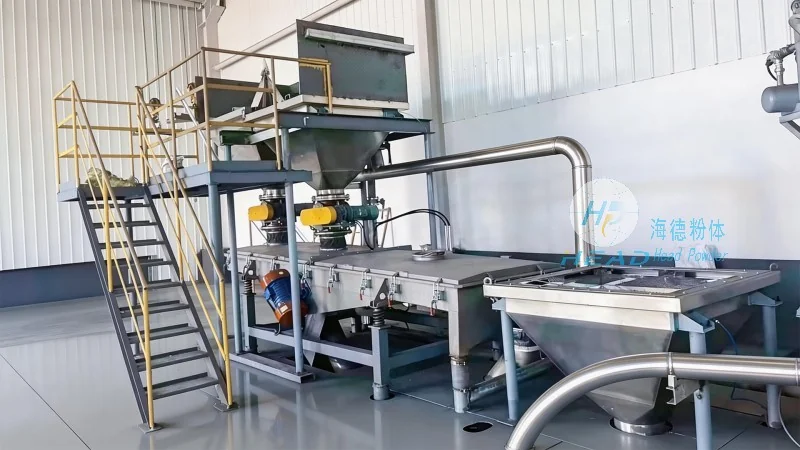
The core of a potassium hydroxide pneumatic conveying system lies in its ability to transport bulk materials through a pressurized air stream. The process typically involves several key components, including a hopper for material storage, a conveyor line (often a flexible tube or rigid pipe), and a control system to regulate air pressure and flow. As KOH is released from the hopper, it is drawn into the conveyor by the air flow, which carries the material to its destination. This method eliminates the need for mechanical components like belts or chains, reducing wear and maintenance costs while ensuring a continuous flow of material.
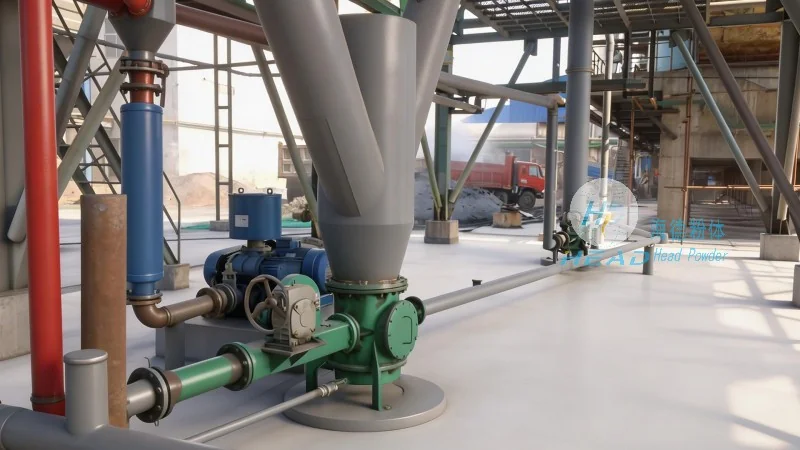
One of the critical aspects of the working principle is the air pressure management. The system operates under either positive or negative pressure, depending on the application. Positive pressure systems push the material through the line using compressed air, while negative pressure systems create a vacuum to pull the material. For potassium hydroxide, which is often handled in bulk quantities, positive pressure systems are commonly preferred due to their ability to handle abrasive or sticky materials without causing blockages. The air flow rate is carefully controlled to maintain a consistent velocity, ensuring that the material particles are fully entrained and transported without segregation or degradation.
Key Features of Potassium Hydroxide Pneumatic Conveying Systems
Several features make potassium hydroxide pneumatic conveying systems particularly suitable for industrial use. First, they provide a dust-free and enclosed transport environment, which is essential for handling a caustic material like KOH. This not only enhances safety by preventing exposure to airborne particles but also maintains the purity of the material, as it is not exposed to external contaminants. Second, the systems are highly flexible in terms of layout, allowing for horizontal, vertical, or even inclined transport paths. This adaptability makes them ideal for complex production lines where space constraints or multiple destinations are present.
Another significant feature is the ability to handle varying material characteristics. Potassium hydroxide can be in different forms, such as pellets, granules, or powder, and the pneumatic system can accommodate all these states. The design of the hopper and conveyor line ensures that the material is fed smoothly and consistently, preventing clogging or uneven flow. Additionally, the systems are equipped with safety features, such as pressure relief valves and emergency shut-off mechanisms, to protect against over-pressurization or other operational hazards. These features contribute to the overall reliability and longevity of the equipment.
Benefits and Applications in Industrial Settings
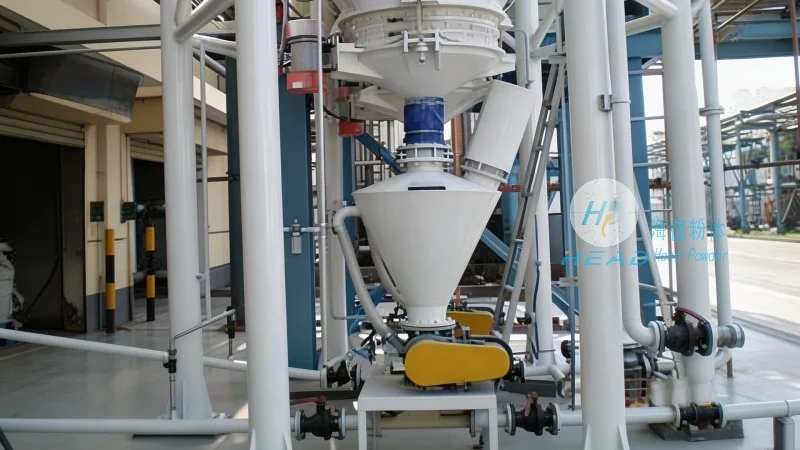
The implementation of potassium hydroxide pneumatic conveying systems brings numerous benefits to industrial operations. By reducing manual handling and exposure to hazardous materials, these systems enhance workplace safety. The enclosed design also minimizes environmental impact by preventing dust emissions, which is crucial for compliance with environmental regulations. From a production standpoint, the consistent and reliable transport of KOH ensures that downstream processes, such as mixing or packaging, operate smoothly without interruptions. This leads to improved efficiency and reduced downtime, ultimately contributing to higher productivity.
Industries that commonly utilize these systems include chemical manufacturing, pharmaceuticals, and food processing. In chemical plants, KOH is often used in the production of soaps, detergents, and other alkaline products, where a continuous supply of material is vital. In pharmaceutical applications, the precision and cleanliness of the pneumatic system are essential to maintain product quality and safety standards. The flexibility of the system also allows it to be integrated into existing production lines, making it a cost-effective upgrade for companies looking to improve their material handling capabilities.
Conclusion and Company Overview
As demonstrated, potassium hydroxide pneumatic conveying systems are a sophisticated and efficient solution for material transport. Their working principle, based on air pressure and enclosed transport, offers significant advantages over traditional methods. The key features, including dust-free operation, flexibility, and safety, make them a preferred choice for handling caustic materials like KOH. For industries seeking to optimize their production processes and enhance safety, investing in such systems is a strategic decision.
Shandong HeadPowder Engineering Co., Ltd., a leading provider in this field, specializes in designing and manufacturing customized pneumatic conveying solutions. With a focus on quality and innovation, the company has built a reputation for delivering reliable systems that meet the unique needs of its clients. HeadPowder's expertise in material handling technology ensures that their products are tailored to the specific requirements of each application, whether it involves bulk transport, dust control, or process integration. Based in China, the company leverages its local manufacturing capabilities to offer competitive pricing and timely delivery, supporting global clients in their industrial operations. By combining advanced engineering with practical application, HeadPowder continues to be a trusted partner for businesses in need of efficient and safe material handling solutions.