

Working Principle and Features of Fracking Sand Pneumatic Conveying Systems
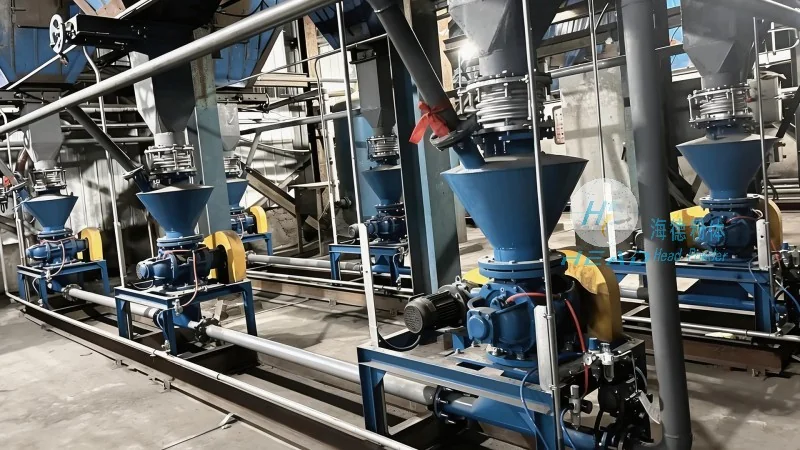
Fracking sand pneumatic conveying systems operate by utilizing compressed air to transport frac sand from a storage hopper to the injection point in hydraulic fracturing operations. The process begins with the frac sand being loaded into a hopper, where it is then drawn into a pipeline by the force of the compressed air. As the air flows through the pipeline, it creates a low-pressure zone that pulls the sand particles along with it, forming a dense slurry. This slurry is then transported to the well site, where it is delivered to the fracturing equipment. The system typically includes components such as a hopper, a blower or compressor, a pipeline network, and a control system to regulate the flow and pressure of the air and sand mixture.
Key Features of Fracking Sand Pneumatic Conveying Systems
HeadPowder, a leading manufacturer based in Shandong, China, offers advanced fracking sand pneumatic conveying systems with several notable features. These systems are designed to ensure efficient and reliable transport of frac sand, which is critical for the success of hydraulic fracturing operations. The key features include high transport capacity, which allows for the movement of large volumes of sand over long distances; low maintenance requirements, reducing operational costs and downtime; and precise control over the flow rate and pressure, ensuring consistent performance. Additionally, the systems are constructed with durable materials to withstand the harsh conditions of the oil and gas industry, including high temperatures and abrasive materials. The control systems are equipped with advanced sensors and monitoring tools that provide real-time data on the system's performance, enabling operators to make informed decisions and optimize the conveying process.
Benefits of Using Fracking Sand Pneumatic Conveying Systems
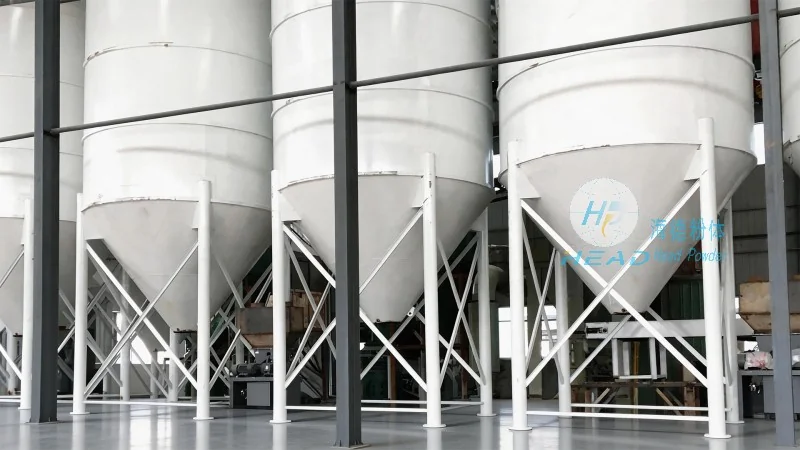
The adoption of fracking sand pneumatic conveying systems offers numerous benefits for oil and gas operators. By eliminating the need for traditional trucking methods, these systems reduce transportation costs and environmental impact. The high efficiency of the systems ensures that frac sand is delivered to the well site in a timely manner, minimizing delays in the fracturing process. The consistent quality of the sand delivered by the system also contributes to better well performance and higher productivity. Furthermore, the systems are designed to be flexible, allowing operators to adjust the flow rate and pressure to meet the specific requirements of different well sites. This adaptability makes the systems suitable for a wide range of applications, from small-scale to large-scale hydraulic fracturing operations.
Application in Hydraulic Fracturing Operations
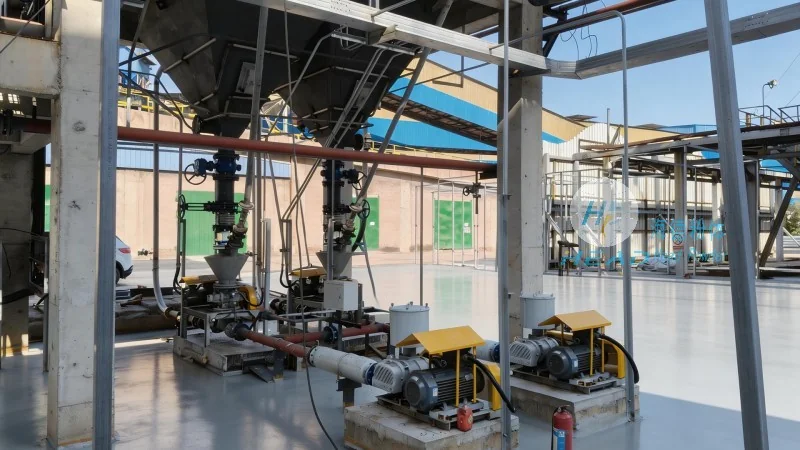
Fracking sand pneumatic conveying systems are widely used in hydraulic fracturing operations to transport frac sand to the wellbore. The systems are typically integrated into the overall fracturing workflow, where the sand is mixed with water and other chemicals to form a slurry that is then injected into the formation to create fractures. The efficient transport of the sand ensures that the fracturing process is carried out smoothly and effectively. The systems are also used in various stages of the fracturing process, including the loading of the hopper, the transport of the sand to the injection point, and the unloading of the sand at the well site. The reliability of the systems is crucial in these operations, as any downtime can lead to significant delays and financial losses.
Conclusion
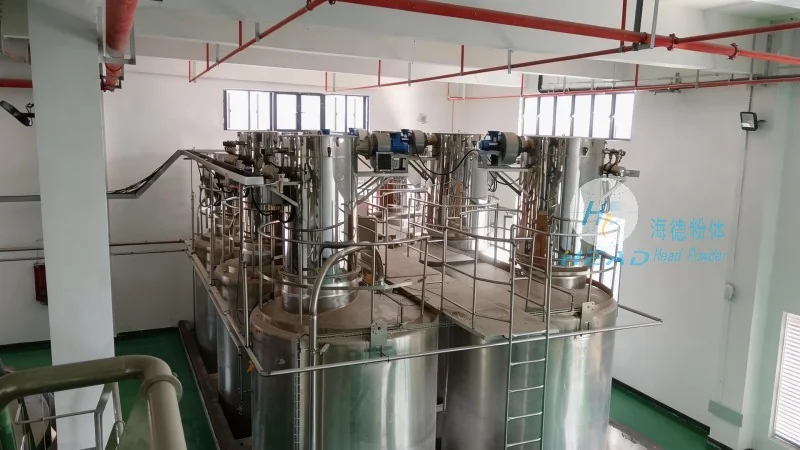
Fracking sand pneumatic conveying systems are essential equipment for modern hydraulic fracturing operations. The systems, manufactured by companies like Shandong HeadPowder Engineering Co., Ltd., offer efficient, reliable, and cost-effective solutions for transporting frac sand. By understanding the working principle and features of these systems, operators can make informed decisions about their equipment choices and optimize their fracturing processes. The continued development of these systems will likely lead to further improvements in efficiency and performance, supporting the growth of the oil and gas industry.