

What is a Seaweed Powder Material Pneumatic Conveying Line? And What Are Its Design Principles?
Seaweed powder, a natural and sustainable raw material, is widely used in various industries such as food, cosmetics, and pharmaceuticals. The efficient and reliable transportation of seaweed powder from storage to processing units is crucial for maintaining product quality and operational efficiency. Pneumatic conveying lines, particularly for bulk materials like seaweed powder, offer a solution that minimizes contamination, reduces labor costs, and enhances overall process safety. This article explores the concept of seaweed powder material pneumatic conveying lines and delves into the underlying design principles that ensure optimal performance.
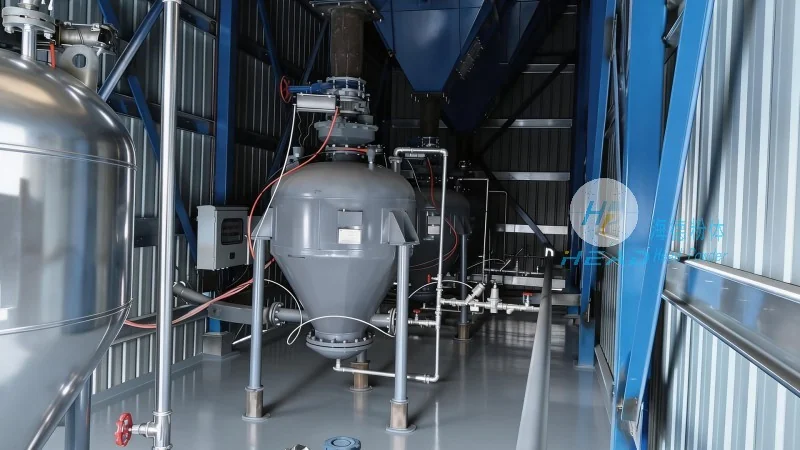
Components of a Seaweed Powder Pneumatic Conveying System
The pneumatic conveying system for seaweed powder typically consists of several key components that work in tandem to achieve material transport. The primary components include a hopper or storage silo for the powder, a feeder (often a rotary valve or screw feeder) to control the flow rate, a conveying pipeline (usually made of stainless steel or other corrosion-resistant materials to handle the potential moisture and organic content of seaweed powder), a compressor or blower to generate the necessary air pressure, and a receiver or discharge hopper at the destination. In some designs, additional components like filters, cyclones, or vacuum pumps may be included to manage dust and ensure clean operation. The choice of materials for each component is critical, as seaweed powder can be hygroscopic and may contain fine particles that require special handling to prevent clogging or degradation.
Working Principle of Pneumatic Conveying for Seaweed Powder
Pneumatic conveying operates on the principle of using air to transport solid particles through a pipeline. There are two main types of pneumatic conveying systems: pressure and vacuum. For seaweed powder, pressure systems are more common due to their ability to handle higher material loads and longer distances. In a pressure system, the compressor pressurizes the air, which then pushes the powder through the pipeline. The feeder metering the powder into the air stream creates a slurry of powder and air, which travels at high velocity through the pipeline to the receiver. The air then either is vented to the atmosphere or recycled back to the compressor, depending on the system design. The velocity of the air must be sufficient to overcome the gravitational force of the powder and the friction within the pipeline, ensuring that the powder remains suspended and moves efficiently. The design of the conveying line, including pipe diameter, length, and bends, directly impacts the air velocity required and the overall system efficiency.
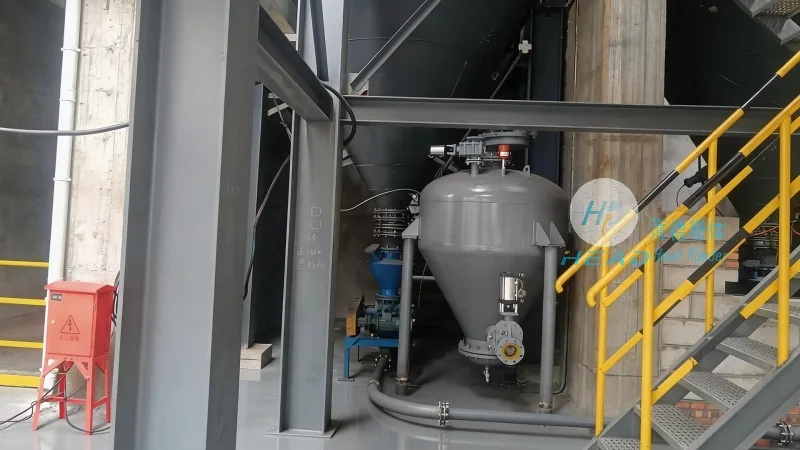
Design Principles for Optimal Seaweed Powder Pneumatic Conveying
The design of a seaweed powder pneumatic conveying line involves several key principles to ensure reliable operation and minimal maintenance. First, the system must be designed to handle the specific properties of seaweed powder, such as its particle size distribution, moisture content, and flowability. The particle size is particularly important, as finer particles require higher air velocities to maintain suspension and prevent clogging. The moisture content can affect the powder's hygroscopic nature, potentially leading to clumping or increased friction within the pipeline. Therefore, the design must account for these factors to prevent system blockages or reduced efficiency. Second, the system must be constructed from materials that are resistant to corrosion and wear, as seaweed powder may contain organic acids or other substances that can degrade metal surfaces over time. Stainless steel is often the preferred material for the pipeline and components due to its durability and resistance to corrosion. Third, the system must incorporate proper dust control measures to comply with environmental regulations and maintain a clean working environment. This may include filters, cyclones, or other dust collection devices that separate the powder from the air before it is vented. Fourth, the system should be designed for easy maintenance and cleaning to prevent the buildup of residue and ensure long-term performance. This includes features like removable sections, cleaning ports, and easy access to components for inspection and repair.
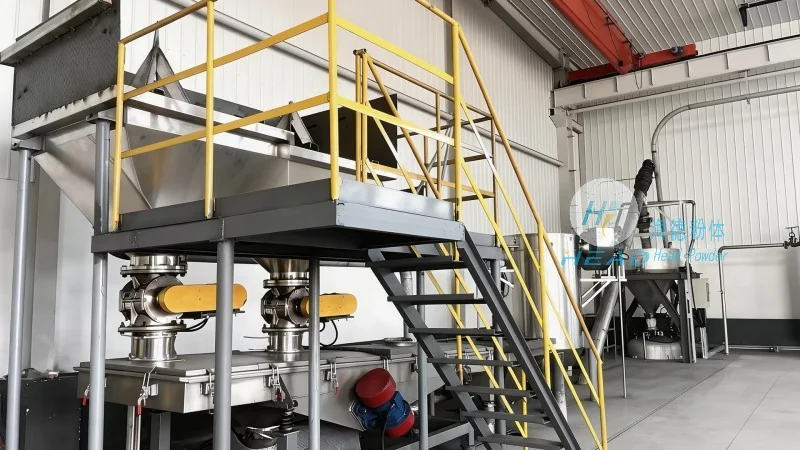
Applications and Benefits of Seaweed Powder Pneumatic Conveying Lines
Seaweed powder pneumatic conveying lines are widely used in various industries where seaweed powder is a key raw material. In the food industry, these systems are used to transport seaweed powder from storage to processing units for use in products such as seaweed-based snacks, supplements, and cosmetics. In the pharmaceutical industry, the systems are used to transport seaweed powder to production lines for the manufacturing of seaweed-based drugs or supplements. The benefits of using pneumatic conveying systems for seaweed powder include improved product quality, reduced contamination, lower labor costs, and enhanced operational safety. The systems can also be designed to handle other bulk materials, making them versatile and cost-effective for various industrial applications. By ensuring the efficient and reliable transport of seaweed powder, these systems contribute to the overall productivity and profitability of the manufacturing process.
Conclusion and Company Overview
Seaweed powder material pneumatic conveying lines are essential equipment for industries that rely on seaweed powder as a raw material. The design principles discussed above, including system components, working mechanisms, and material considerations, are crucial for ensuring the optimal performance and longevity of the system. The choice of a reliable and well-designed pneumatic conveying system can significantly impact the efficiency and quality of the manufacturing process. Shandong HeadPowder Engineering Co., Ltd., a leading manufacturer of pneumatic conveying systems, specializes in providing customized solutions for the transportation of bulk materials like seaweed powder. With years of experience and expertise in the field, the company offers high-quality systems that meet the specific needs of its clients. Located in Shandong, China, HeadPowder Engineering Co., Ltd. is committed to delivering innovative and efficient solutions that enhance the productivity and sustainability of industrial processes. By leveraging advanced technology and rigorous quality control, the company ensures that its pneumatic conveying systems are reliable, durable, and tailored to the unique requirements of each application.