With more than 10‑year industry experience, Shandong Headpowder delivers full‑service pneumatic‑conveying systems and blowers, undertaking nationwide turn‑key powder‑handling projects.
For over [years] in the industry, Shandong HeadPowder Engineering Co., Ltd. has been a leading provider of advanced material handling solutions, including pneumatic conveying systems tailored for rice starch and other fine powders. With a focus on innovation and customer satisfaction, HeadPowder specializes in designing and manufacturing systems that meet the unique requirements of the food, pharmaceutical, and chemical sectors. Based in Shandong, China, the company leverages its expertise to deliver high-quality, reliable solutions that enhance operational efficiency and product quality. This article explores the concept of rice starch material pneumatic conveying and the core design principles that underpin effective systems, with insights from HeadPowder's extensive experience in the field.
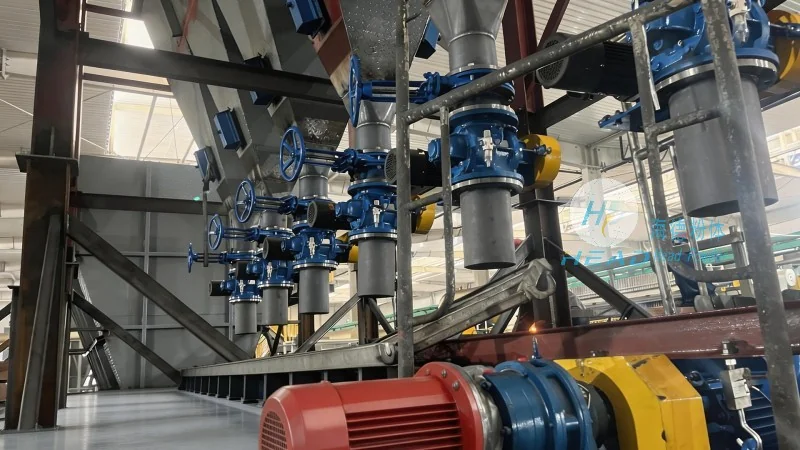
Rice starch is a versatile raw material used in a wide range of applications, from food products like noodles and sweets to pharmaceutical excipients and chemical additives. The efficient and hygienic transport of rice starch is critical to maintaining its purity and preventing contamination. Pneumatic conveying systems offer a superior solution compared to traditional mechanical methods, as they eliminate the need for direct contact between the material and equipment, reducing the risk of cross-contamination and product degradation. This method involves using a gas stream, typically air, to move rice starch particles through a pipeline under pressure or vacuum.
The success of a pneumatic conveying system for rice starch hinges on several fundamental design principles. These principles ensure that the system operates efficiently, maintains the quality of the material, and minimizes operational costs. The primary considerations include the choice of conveying method (pressure or vacuum), the design of the pipeline and components, and the optimization of air velocity and pressure drop. Each of these elements must be carefully tailored to the specific characteristics of rice starch and the operational requirements of the application.
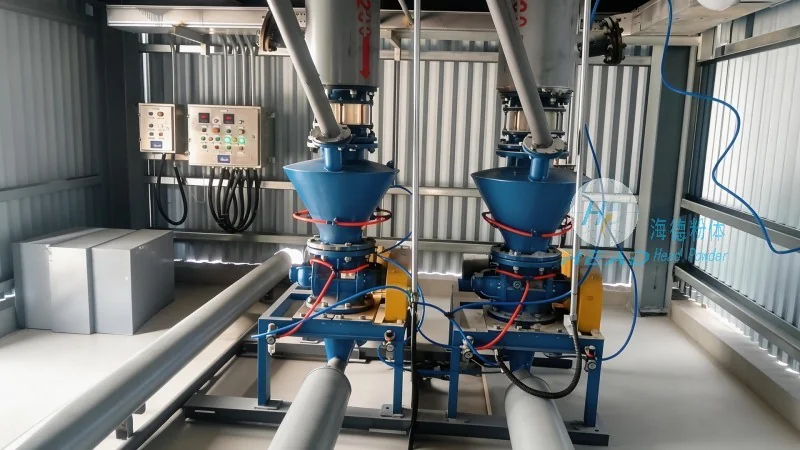
Pressure pneumatic conveying systems utilize compressed air to push rice starch particles through the pipeline. This method is ideal for short to medium transport distances and high material volumes, as it provides consistent and reliable material flow. Vacuum systems, conversely, use a vacuum to draw rice starch into the pipeline, making them suitable for long-distance or low-volume applications. The selection between pressure and vacuum depends on factors such as the distance between the source and destination, the required material flow rate, and the need to minimize energy consumption. HeadPowder's expertise allows for the selection of the most appropriate method based on the specific project requirements.
The design of the pipeline system is a critical factor in the performance of a pneumatic conveying system. For rice starch, which is a fine powder prone to agglomeration, the pipeline must be constructed from materials that are non-reactive and easy to clean, such as stainless steel or food-grade polyethylene. The diameter of the pipeline is also crucial, as it affects the air velocity and pressure drop. A properly sized pipeline ensures that the rice starch particles remain in suspension without causing excessive wear or blockages. Additionally, components like in-line filters, cyclone separators, and rotary airlocks are essential for maintaining the purity of the material and preventing system downtime. These components help to remove any dust or debris and ensure smooth, continuous operation.
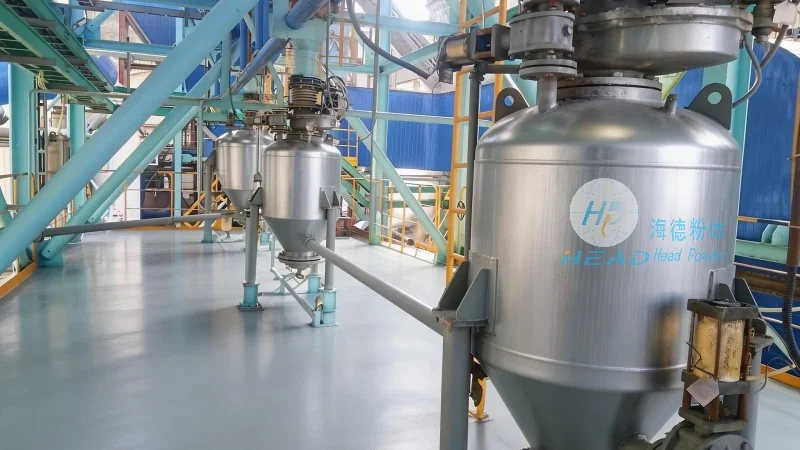
Controlling air velocity and pressure drop is vital for the efficient operation of a pneumatic conveying system. The air velocity must be high enough to keep the rice starch particles in suspension but not so high as to cause excessive energy consumption or equipment wear. The pressure drop across the system is a measure of the energy required to move the material and is influenced by factors such as pipeline length, diameter, and the number of components. HeadPowder employs advanced computational fluid dynamics (CFD) and engineering principles to optimize these parameters, ensuring that the system operates at the lowest possible energy cost while maintaining the required material flow rate. This optimization leads to significant cost savings and reduced environmental impact.
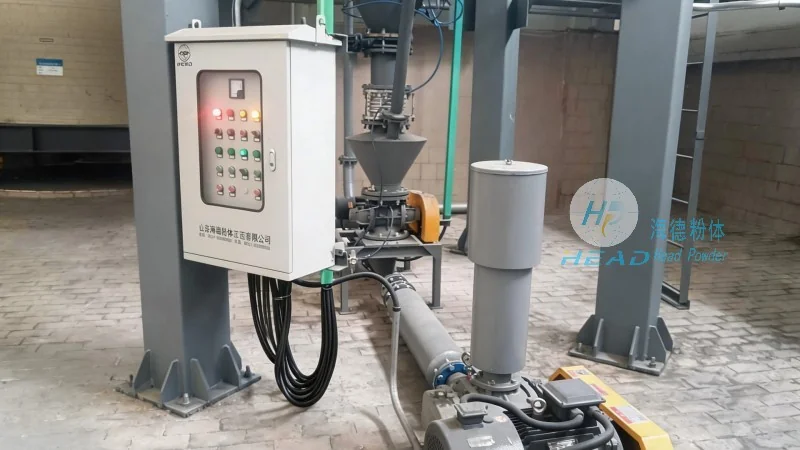
Rice starch material pneumatic conveying systems are widely employed in various industries, including food processing, pharmaceutical manufacturing, and chemical production. The benefits of using pneumatic conveying for rice starch include improved product quality, reduced contamination risk, and enhanced operational efficiency. These systems can be integrated with other processing equipment, such as mixers or reactors, to create a seamless production line, minimizing the need for manual handling and reducing labor costs. The ability to handle fine powders without mechanical contact also extends the shelf life of the product and maintains its sensory properties, which is critical in the food and pharmaceutical sectors. HeadPowder's systems are designed to meet the stringent regulatory requirements of these industries, ensuring compliance with food safety and quality standards.
Pneumatic conveying is a highly effective and reliable method for transporting rice starch, and the design principles discussed above are essential for achieving optimal performance. By carefully selecting the conveying method, designing the pipeline system, and optimizing air velocity and pressure drop, manufacturers can enhance operational efficiency and maintain the quality of their products. Shandong HeadPowder Engineering Co., Ltd. leverages its expertise and advanced technology to provide customized pneumatic conveying solutions that meet the unique needs of each client. With a commitment to quality and innovation, HeadPowder continues to be a trusted partner in the material handling industry, helping businesses improve their processes and achieve their operational goals.

 Shandong Headpowder Engineering Co., Ltd.
 156-6277-7102(Manager Zhang)
  0531-83386006
  Zhangqiu District, Jinan City, Shandong Province, China
telephone
WeChatconsult
top