With more than 10‑year industry experience, Shandong Headpowder delivers full‑service pneumatic‑conveying systems and blowers, undertaking nationwide turn‑key powder‑handling projects.
In the realm of bulk material handling, particularly within the sugar processing industry, pneumatic conveying stands out as a sophisticated method for transporting sugar materials. This technology leverages air or gas as the conveying medium to move granular or powdered sugar through pipelines, offering advantages over traditional mechanical systems like screw or belt conveyors. The effectiveness of such systems hinges on a well-thought-out design that integrates fluid dynamics, material characteristics, and operational efficiency.
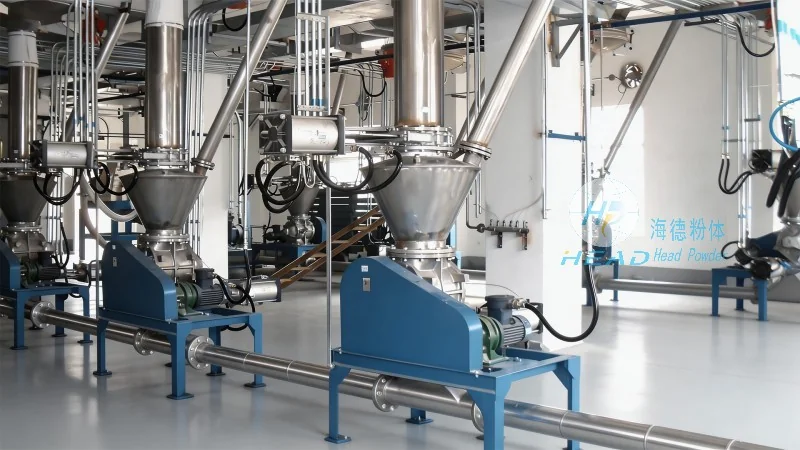
Pneumatic conveying of sugar involves the use of pressure differentials to transport the material. The process can be categorized into positive pressure, negative pressure, or a hybrid system, each with distinct applications based on the material's properties and the system's layout. For sugar, which is typically a fine to medium powder with hygroscopic tendencies, positive pressure systems are often preferred due to their ability to provide consistent flow and better control over dust and moisture. These systems operate by blowing air into the pipeline, carrying the sugar particles along with the air stream, and depositing them at the destination point.
The design of a pneumatic conveying system for sugar is governed by several fundamental principles that ensure reliable and efficient operation. First, the selection of the conveying medium and system type is critical. Positive pressure systems are favored for sugar because they allow for gentle material handling, minimize the risk of clogging, and provide better control over the material's trajectory. The system's layout, including the placement of feeders, pipelines, and receivers, must be optimized to maintain a consistent air velocity and pressure throughout the pipeline. This involves careful consideration of duct sizing, bends, and transitions to minimize pressure drop and turbulence.
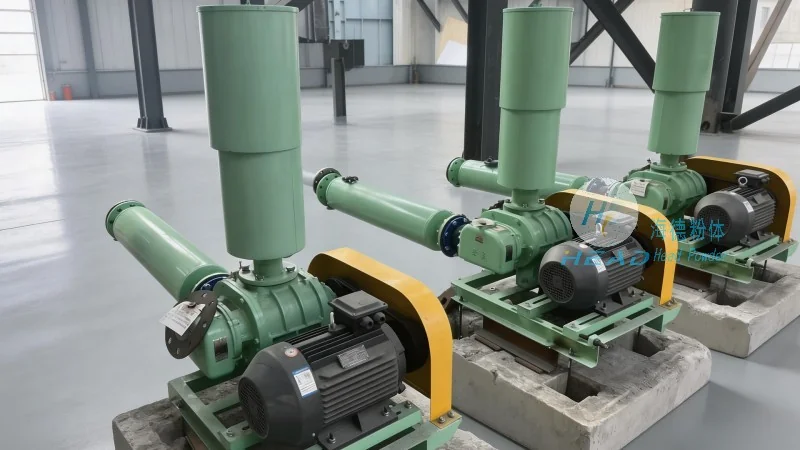
Second, the material properties of sugar, such as particle size distribution, density, and moisture content, directly impact the system's design. For instance, finer sugar particles require higher air velocities to remain suspended, while larger granules may need lower velocities to avoid excessive wear on the equipment. The system must also account for the hygroscopic nature of sugar, which can lead to clumping or increased dust generation if not properly managed. This often involves incorporating moisture control measures and maintaining a controlled environment within the conveying system.
A key consideration in designing pneumatic conveying systems for sugar is maintaining high standards of hygiene and dust control. Sugar is a food product, and any contamination or dust leakage can compromise its quality and safety. The system design includes features like sealed feeders, airlocks, and filtration systems to prevent dust from escaping into the environment. Materials used for the pipeline and components, such as stainless steel or food-grade plastics, are chosen for their durability and resistance to corrosion and contamination. Additionally, the system may incorporate dust collection and filtration units to capture any particles that escape, ensuring compliance with environmental regulations and maintaining a clean working environment.
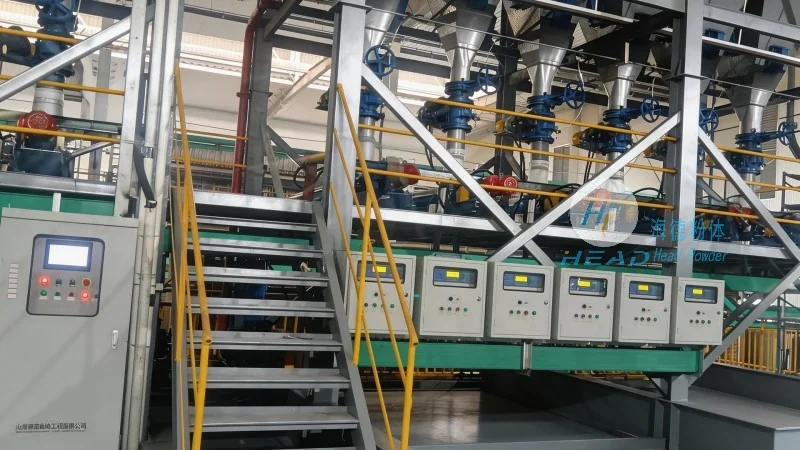
Efficiency is a primary goal in the design of pneumatic conveying systems for sugar. This includes minimizing energy consumption by selecting the appropriate air compressor and motor, as well as optimizing the system's layout to reduce pressure losses. Regular maintenance is essential to ensure the longevity and reliability of the system. Components like filters, check valves, and airlocks require periodic cleaning and replacement to prevent blockages and maintain consistent performance. The system's design should also allow for easy access to maintenance points, facilitating routine checks and repairs.
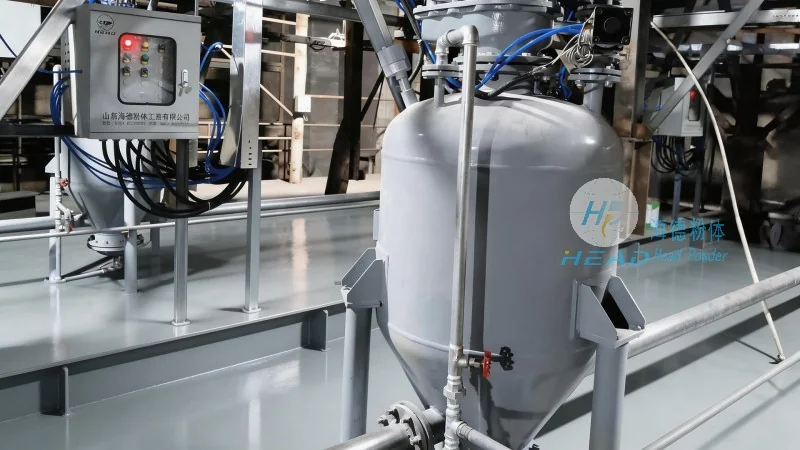
Shandong HeadPowder Engineering Co., Ltd. specializes in providing engineering solutions for material handling, with a particular focus on pneumatic conveying systems tailored to the sugar industry. With a deep understanding of the technical and operational challenges faced by sugar manufacturers, the company designs systems that enhance productivity, reduce operational costs, and ensure compliance with industry standards. The company's expertise in fluid dynamics, material science, and mechanical engineering enables it to develop customized solutions that meet the unique needs of each client.
Headquartered in Shandong, China, Shandong HeadPowder Engineering Co., Ltd. combines innovative design with practical application to deliver high-quality pneumatic conveying systems. By adhering to rigorous design principles and using advanced materials and components, the company ensures that its systems are not only efficient but also durable and easy to maintain. This commitment to quality and customer satisfaction has established the company as a trusted partner for businesses seeking reliable and effective solutions for sugar material transport.

 Shandong Headpowder Engineering Co., Ltd.
 156-6277-7102(Manager Zhang)
  0531-83386006
  Zhangqiu District, Jinan City, Shandong Province, China
telephone
WeChatconsult
top