

What is a Continuous Powder Pneumatic Conveying System? And What Are Its Design Principles?
Continuous powder pneumatic conveying systems are advanced industrial solutions designed to transport bulk powders and granular materials through a pipeline using compressed air or other gas as the conveying medium. These systems are widely used in various industries, including pharmaceuticals, food processing, chemical manufacturing, and more, due to their efficiency, flexibility, and ability to handle a wide range of materials. Understanding the fundamental concepts and design principles behind these systems is crucial for optimizing performance and ensuring reliable operation in industrial applications.
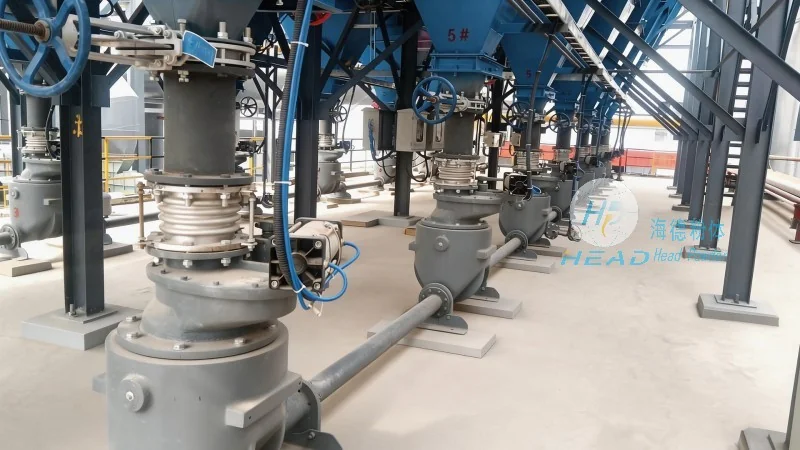
Key Components of a Continuous Powder Pneumatic Conveying System
A typical continuous powder pneumatic conveying system consists of several essential components that work together to facilitate material transport. The primary components include a hopper or feeder for material storage and feeding, a conveying line (pipeline) where the material is transported, a compressor or blower to generate the necessary air pressure, and a receiver or discharge hopper to collect the conveyed material. Additionally, auxiliary components such as filters, cyclones, and pressure regulators may be included to ensure system efficiency and safety. Each component plays a critical role in the overall operation of the system, and their proper integration is essential for achieving optimal performance.
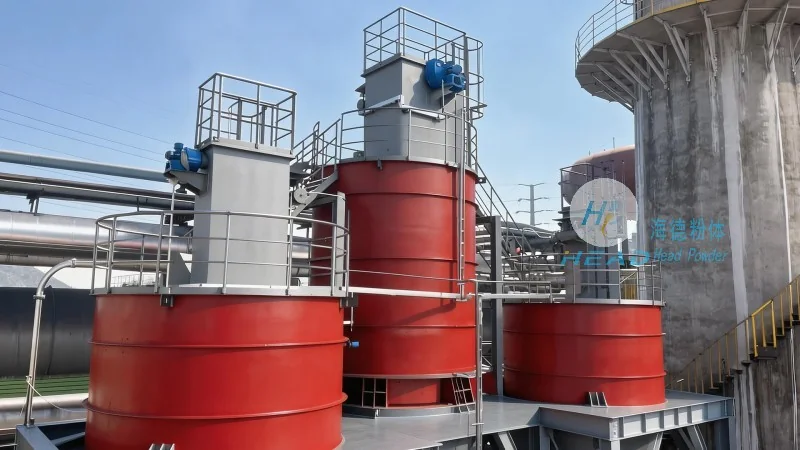
Design Principles for Continuous Powder Pneumatic Conveying
The design of a continuous powder pneumatic conveying system is based on several key principles that ensure efficient and reliable material transport. One of the most important principles is the selection of the appropriate conveying velocity, which must be sufficient to overcome the resistance forces within the pipeline and maintain the material in a suspended state. The conveying velocity is typically determined based on the material's properties, such as particle size, density, and flowability, as well as the system's operating pressure and pipeline dimensions. Another critical design principle is the consideration of the system's pressure drop, which is influenced by factors like pipeline length, diameter, and the presence of bends or fittings. Proper calculation of pressure drop is essential to ensure that the compressor or blower can provide adequate pressure to maintain the conveying process. Furthermore, the system's design must account for the material's behavior under air flow, including issues like particle segregation, agglomeration, and abrasion, to prevent system blockages and ensure consistent material quality. By adhering to these design principles, engineers can develop systems that are tailored to specific material characteristics and operational requirements.
Applications and Benefits of Continuous Powder Pneumatic Conveying
Continuous powder pneumatic conveying systems offer numerous benefits and are suitable for a wide range of applications. These systems are particularly advantageous in industries where material handling needs to be clean, dust-free, and hygienic, such as in the pharmaceutical and food sectors. The enclosed pipeline design prevents contamination and dust exposure, ensuring compliance with regulatory standards. Additionally, these systems provide high conveying rates and can handle long-distance transport with minimal material degradation. The flexibility of the system allows for easy integration with existing production lines and can be adapted to handle various material types, including fine powders, granules, and bulk solids. The benefits of continuous pneumatic conveying extend beyond material transport, as these systems can also contribute to improved process efficiency and reduced labor costs by automating material handling tasks. Overall, the adoption of continuous powder pneumatic conveying systems can enhance operational performance and contribute to cost savings in industrial settings.
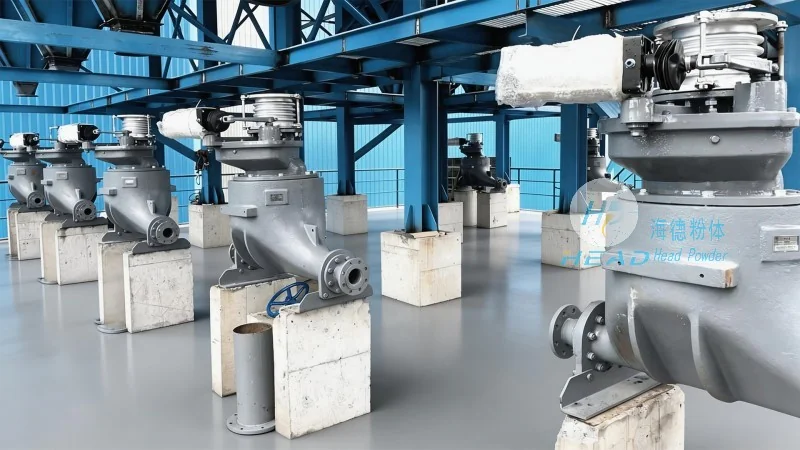
Company Overview: Shandong HeadPowder Engineering Co., Ltd.
Shandong HeadPowder Engineering Co., Ltd., commonly known as HeadPowder, is a leading manufacturer and supplier of advanced powder handling equipment, including continuous powder pneumatic conveying systems. With a strong focus on innovation and quality, HeadPowder has established itself as a trusted partner in the industry, providing customized solutions tailored to the specific needs of clients. The company's headquarters is located in Shandong, China, and it has a dedicated team of engineers and technicians who specialize in the design, development, and manufacturing of high-performance powder handling systems. HeadPowder's commitment to excellence is reflected in its adherence to international standards and its continuous investment in research and development to improve product performance and reliability. By leveraging advanced technology and a deep understanding of material handling principles, HeadPowder delivers systems that meet the highest industry standards and deliver long-term value to its customers.