

What is a Low-Pressure Powder Pneumatic Conveying System? And What Are Its Design Principles?
For industrial applications that require the efficient and safe transportation of bulk powders, low-pressure pneumatic conveying systems offer a reliable solution. These systems are essential in various sectors, including food processing, pharmaceuticals, and chemical manufacturing, where maintaining product integrity and minimizing contamination is critical. This article explores the fundamental concepts of low-pressure powder pneumatic conveying systems, delving into their design principles and operational advantages.
About HeadPowder: A Leading Provider of Pneumatic Conveying Solutions
HeadPowder, a division of Shandong HeadPowder Engineering Co., Ltd., is a professional manufacturer and supplier specializing in the design, development, and production of advanced pneumatic conveying equipment. With a strong presence in China, particularly in Shandong, the company has established itself as a trusted partner for businesses seeking efficient and cost-effective powder handling solutions. HeadPowder's commitment to quality and innovation ensures that their products meet the highest industry standards, catering to diverse application needs across global markets.
Understanding Low-Pressure Powder Pneumatic Conveying Systems
Low-pressure pneumatic conveying systems utilize a moderate pressure differential (typically ranging from 0.1 to 0.5 bar above ambient) to transport dry bulk materials through a network of pipes. Unlike high-pressure systems, which operate at higher pressures and velocities, low-pressure systems are characterized by lower energy consumption and reduced wear on components. This makes them suitable for long-distance and high-capacity material transport, especially for powders that are sensitive to high velocities or pressure fluctuations.
Key Design Principles of Low-Pressure Powder Pneumatic Conveying Systems
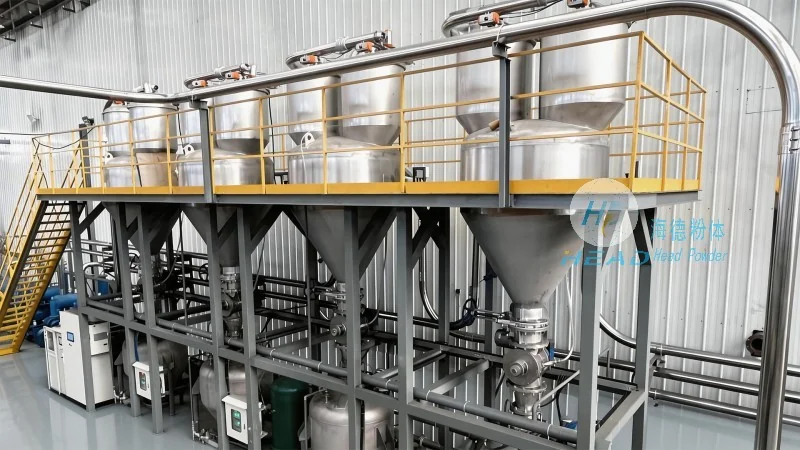
The design of a low-pressure powder pneumatic conveying system involves several critical components and principles that ensure optimal performance. The primary components include a material feed hopper, a conveyor line (consisting of straight and/or curved pipes), a positive displacement blower or fan, and a discharge hopper or collection system. The system operates by creating a pressure differential between the inlet and outlet of the conveyor line, which draws the powder from the feed hopper and propels it through the pipe network.
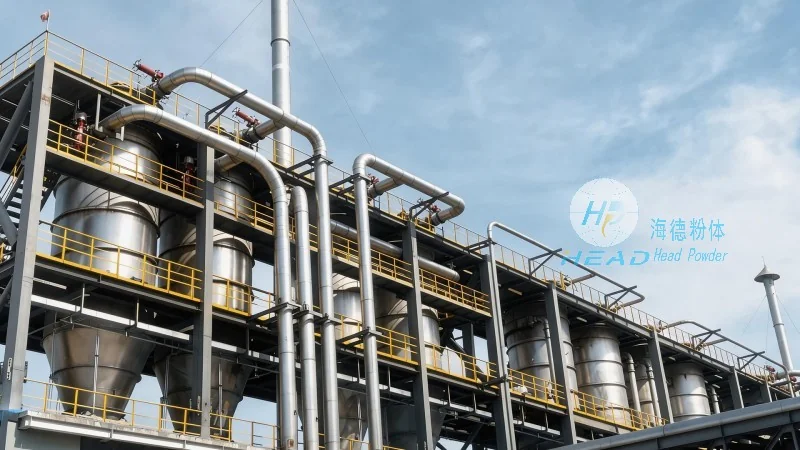
One of the core design principles is the selection of the appropriate air velocity and pressure. The air velocity must be sufficient to overcome the gravitational forces acting on the powder particles and to maintain a stable flow within the pipe. Typically, air velocities range from 10 to 20 meters per second, depending on the particle size, density, and flow rate. The pressure differential is carefully calculated to ensure that the system can handle the required material flow rate without excessive energy consumption or equipment wear.
Another important design consideration is the material's properties, such as particle size distribution, density, and moisture content. These factors influence the system's design, including the choice of pipe diameter, the type of blower, and the configuration of the conveying line. For example, systems handling fine powders may require larger pipe diameters and lower air velocities to prevent particle segregation and blockages. Conversely, systems transporting coarser materials may operate at higher velocities and lower pressures.
Advantages of Low-Pressure Pneumatic Conveying Systems
Low-pressure powder pneumatic conveying systems offer several advantages over other material handling methods. First, they provide a closed system, which helps maintain product purity and prevents contamination from external sources. This is particularly important in industries like pharmaceuticals and food processing, where product integrity is non-negotiable. Second, these systems are highly flexible and can be easily integrated into existing production lines, allowing for seamless material transfer between different processes.
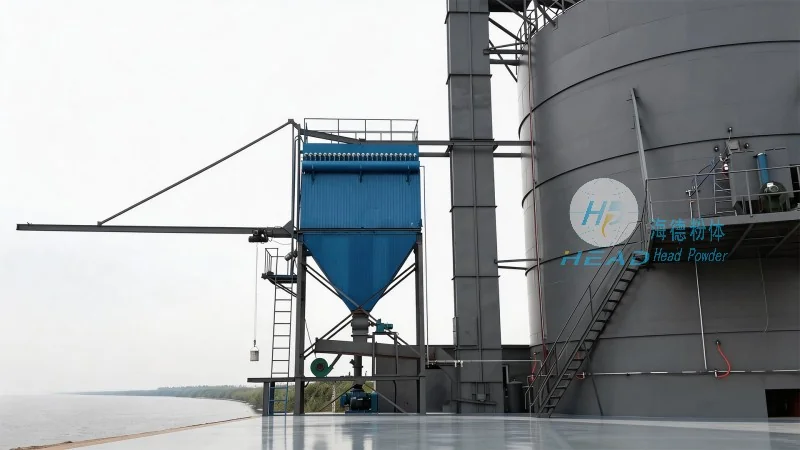
Third, low-pressure systems are energy-efficient compared to high-pressure alternatives. The moderate pressure and velocity requirements result in lower power consumption, reducing operational costs over time. Additionally, the reduced wear on components extends the system's lifespan and minimizes maintenance needs. Finally, these systems are capable of handling a wide range of materials, from fine powders to bulk solids, making them versatile for various industrial applications.
Applications and Industries Served by Low-Pressure Pneumatic Conveying Systems
Low-pressure pneumatic conveying systems are widely used in various industries due to their adaptability and efficiency. In the food industry, they are employed for transporting ingredients like flour, sugar, and spices, ensuring that the products remain fresh and uncontaminated. In the pharmaceutical sector, these systems are crucial for handling active pharmaceutical ingredients (APIs) and excipients, maintaining strict quality control standards. The chemical industry also benefits from low-pressure systems when transporting powders such as pigments, catalysts, and raw materials, where precise control over flow and particle size is essential.
Furthermore, low-pressure pneumatic conveying is used in the agricultural sector for handling bulk materials like grains and fertilizers, improving storage and transportation efficiency. In the manufacturing industry, these systems assist in the transfer of powders for coating and blending processes, enhancing product consistency and quality.
Maintenance and Optimization of Low-Pressure Powder Pneumatic Conveying Systems
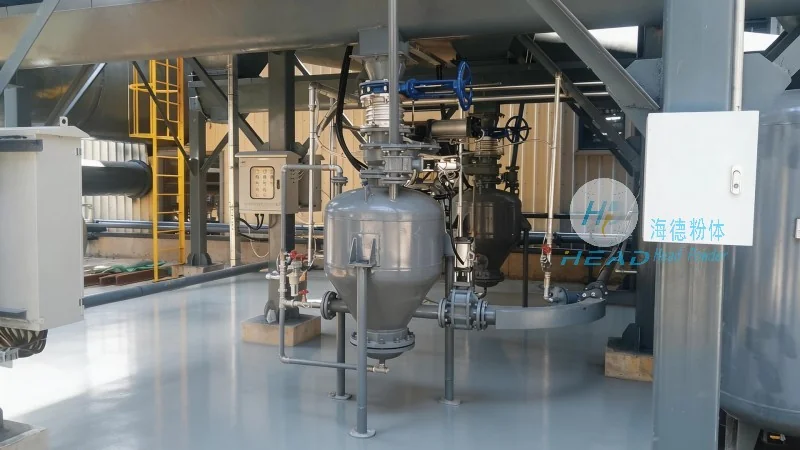
Proper maintenance is essential to ensure the long-term performance and reliability of low-pressure pneumatic conveying systems. Regular inspection of components, such as the blower, pipes, and hoppers, helps identify and address potential issues before they escalate. Cleaning the system periodically, especially after handling different materials, prevents the buildup of residue and ensures consistent operation. Additionally, monitoring air pressure and flow rates allows operators to optimize the system's performance, maximizing efficiency and minimizing energy consumption.
HeadPowder provides comprehensive support for their customers, including maintenance services, spare parts, and technical assistance. By adhering to proper maintenance practices and leveraging the expertise of HeadPowder's team, users can extend the lifespan of their systems and maintain optimal performance.
Conclusion
Low-pressure powder pneumatic conveying systems are a vital component in modern industrial operations, offering efficient, safe, and flexible solutions for bulk powder transportation. With their design principles centered on energy efficiency, product integrity, and adaptability, these systems address the diverse needs of various industries. HeadPowder, as a leading manufacturer, continues to innovate and provide high-quality pneumatic conveying equipment that meets the evolving demands of the market. By understanding the design principles and operational advantages of low-pressure systems, businesses can make informed decisions to enhance their material handling processes and improve overall productivity.