

What is the Pneumatic Conveying of Sodium Bicarbonate Powder? What Are the Design Principles?
HeadPowder, a leading engineering firm based in Shandong, China, specializes in the design and implementation of pneumatic conveying systems for various industrial applications, including the handling of sodium bicarbonate powder. This article provides an in-depth exploration of the pneumatic conveying process for sodium bicarbonate powder and the underlying design principles that ensure efficient and reliable material transport.
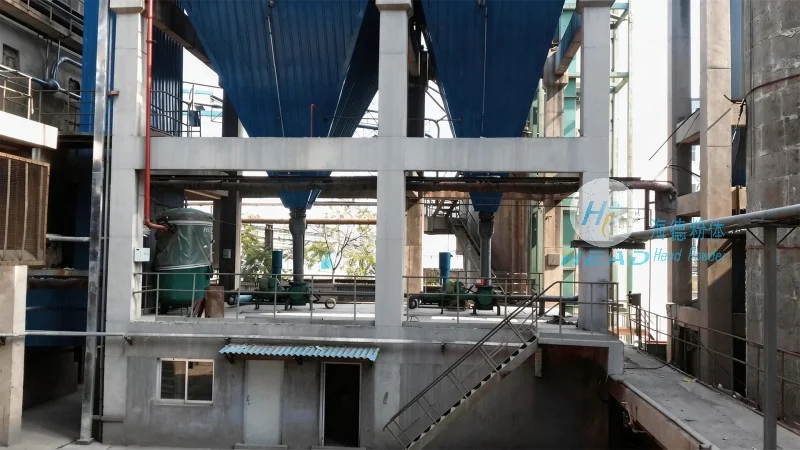
Understanding Pneumatic Conveying for Sodium Bicarbonate Powder
Pneumatic conveying is a method of transporting bulk materials, such as powdered chemicals, through a pipeline using air or other gases. For sodium bicarbonate powder, which is commonly used in food, pharmaceutical, and chemical industries, this technique offers several advantages over traditional mechanical conveying methods. The primary benefits include reduced material degradation, lower equipment maintenance costs, and the ability to handle materials in a closed system, minimizing dust emissions and contamination risks.
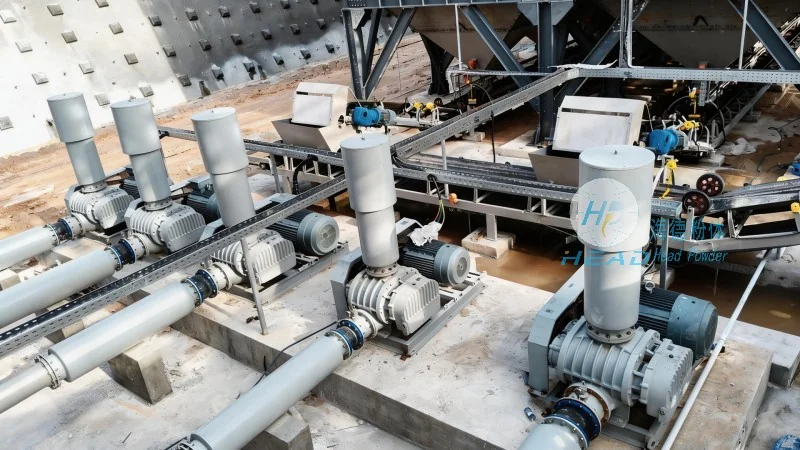
Key Design Principles for Sodium Bicarbonate Powder Pneumatic Conveying Systems
The successful design of a pneumatic conveying system for sodium bicarbonate powder relies on several critical principles that ensure optimal performance and safety. These principles include:
- System Sizing and Flow Rate Calculation: Accurate determination of the required air volume and pressure is essential to maintain the desired material velocity within the pipeline. This involves calculating the material's bulk density, particle size distribution, and the system's overall pressure drop, which directly impacts the conveying efficiency.
- Material Characteristics Analysis: Understanding the physical properties of sodium bicarbonate powder, such as its flowability, moisture content, and particle size, is crucial. These characteristics influence the selection of the conveying system type (e.g., dilute phase or dense phase) and the appropriate equipment, including the feeder, pipeline diameter, and air compressor.
- Equipment Selection and Integration: The choice of components, including the material feeder (e.g., rotary valve or screw feeder), air compressor (centrifugal or positive displacement), and pipeline configuration (straight or with bends), is tailored to the specific requirements of the sodium bicarbonate powder. Proper integration of these components ensures smooth material flow and prevents blockages or system inefficiencies.
- Pressure Drop Management: Controlling the pressure drop along the pipeline is vital to maintain the conveying velocity and prevent material deposition or system overload. This involves selecting appropriate pipeline diameters, using smooth pipe surfaces, and minimizing bends and fittings that could cause energy losses.
- Safety and Environmental Considerations: Pneumatic conveying systems for sodium bicarbonate powder must adhere to safety standards to prevent dust explosions and ensure operator safety. This includes implementing explosion-proof designs, proper ventilation, and dust collection systems. Additionally, the system should be designed to minimize environmental impact by containing dust and preventing material spillage.
HeadPowder's Expertise in Designing Pneumatic Conveying Solutions
HeadPowder Engineering Co., Ltd., with its headquarters in Shandong, China, leverages extensive experience and technical expertise to design customized pneumatic conveying systems for sodium bicarbonate powder. The company's team of engineers works closely with clients to understand their specific operational needs, material characteristics, and production requirements, ensuring that the final system meets all performance, safety, and regulatory standards.
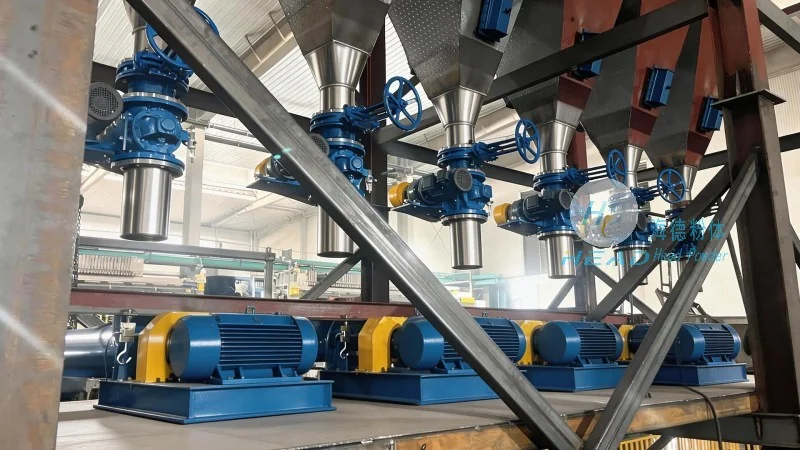
By adhering to the fundamental design principles outlined above, HeadPowder develops robust and efficient pneumatic conveying solutions that enhance productivity, reduce operational costs, and ensure the safe handling of sodium bicarbonate powder. The company's commitment to quality and innovation has made it a trusted partner for businesses seeking reliable material handling solutions in the chemical and food industries.