

Polycrystalline Silicon Powder Pneumatic Conveying: What It Is and Its Design Principles
Polycrystalline silicon powder is a critical material in the semiconductor industry, used as a primary feedstock for solar cell and microelectronics manufacturing. The efficient and safe transportation of this fine powder is essential for maintaining production efficiency and product quality. Pneumatic conveying systems offer a solution to this challenge by using air or other gases to transport the powder through a pipeline network. This article explores the concept of polycrystalline silicon powder pneumatic conveying, detailing its working principles and design considerations, with a focus on the expertise of Shandong HeadPowder Engineering Co., Ltd., a leading provider of engineering solutions for powder handling systems in China.
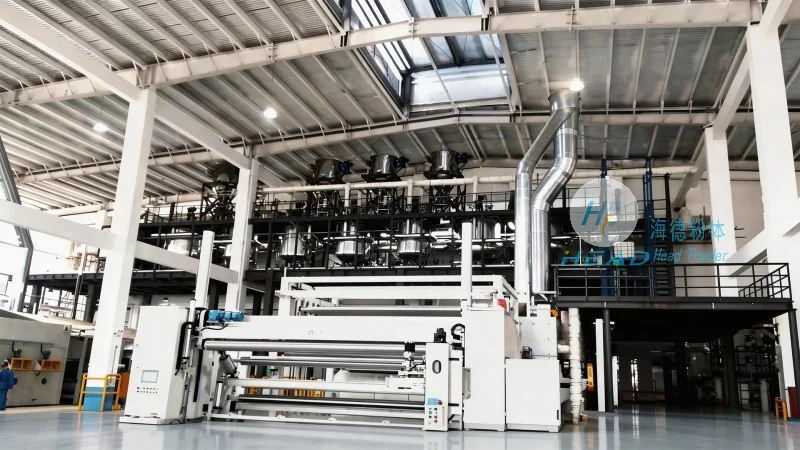
Understanding Polycrystalline Silicon Powder Pneumatic Conveying
Polycrystalline silicon powder pneumatic conveying involves the use of a pressurized or vacuum system to move fine particles of polycrystalline silicon through a sealed pipeline. The process typically includes a source of the powder, a conveying line, and a receiver where the powder is deposited. The key to effective pneumatic conveying lies in controlling the air flow rate, particle size distribution, and the pressure differentials within the system. This method is preferred over traditional mechanical conveying for its ability to handle fine powders without the risk of contamination or particle degradation.
The Working Principle of Pneumatic Conveying Systems
A pneumatic conveying system for polycrystalline silicon powder operates by introducing air into the conveying line, creating a flow that lifts and transports the powder particles. The system can be categorized into two main types: dilute-phase and dense-phase conveying. Dilute-phase systems use higher air velocities to keep particles suspended, suitable for long-distance or high-velocity transport. Dense-phase systems, on the other hand, use lower air velocities and higher particle concentrations, which is ideal for transporting sensitive powders like polycrystalline silicon to prevent agglomeration and maintain particle integrity. The design of the system must consider factors such as the powder's bulk density, flowability, and moisture content, as these properties directly impact the conveying efficiency and system performance.
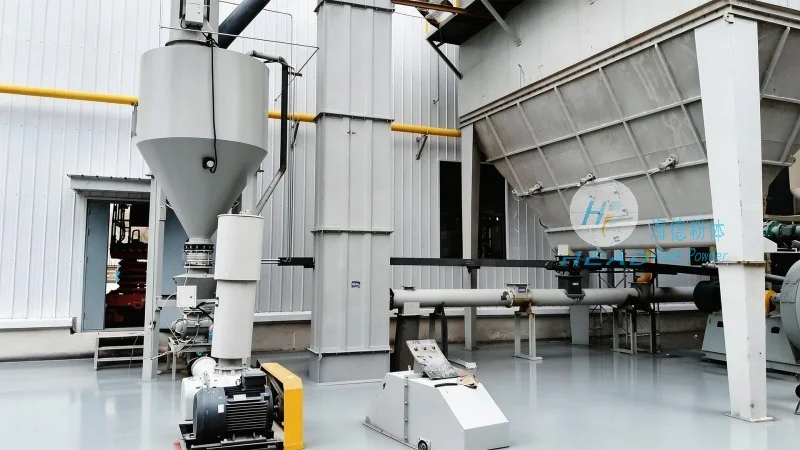
Design Principles for Polycrystalline Silicon Powder Pneumatic Conveying Systems
The design of a pneumatic conveying system for polycrystalline silicon powder requires careful consideration of several key principles to ensure optimal performance and reliability. First, the system must be designed to minimize particle degradation and contamination. This involves using materials that are compatible with the powder, such as stainless steel or specialized plastics, to prevent chemical reactions or particle adhesion. Second, the system must be capable of handling the specific properties of polycrystalline silicon powder, including its fine particle size (typically in the range of 10-200 microns) and high purity requirements. The pipeline design, including the diameter, length, and bends, must be optimized to maintain a consistent flow and prevent pressure drops that could lead to particle deposition or system blockages. Third, the system must incorporate appropriate control mechanisms to regulate air flow, pressure, and powder feed rates. This includes the use of valves, filters, and sensors to monitor and adjust the system parameters in real-time, ensuring stable and efficient operation.
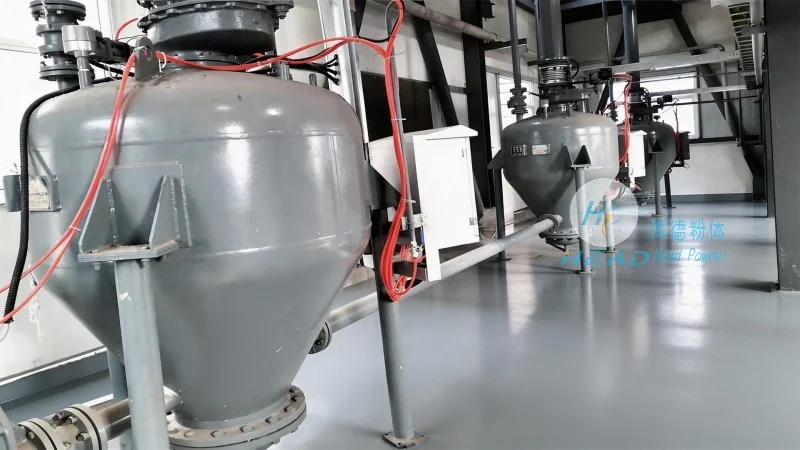
Key Components of a Polycrystalline Silicon Powder Pneumatic Conveying System
Several critical components are essential for the proper functioning of a polycrystalline silicon powder pneumatic conveying system. The primary components include the powder feeder, which accurately measures and feeds the powder into the conveying line; the conveying line itself, which is typically made of stainless steel or other corrosion-resistant materials to handle the fine powder; the air compressor or vacuum pump, which provides the necessary pressure or vacuum to move the powder; and the receiver, where the powder is collected and stored. Additional components may include filters to remove dust and moisture from the air, pressure regulators to maintain consistent pressure, and flow meters to monitor the air and powder flow rates. Each component must be selected and sized based on the specific requirements of the polycrystalline silicon powder being conveyed, ensuring that the system operates within optimal parameters.
Advantages and Considerations of Pneumatic Conveying for Polycrystalline Silicon
Pneumatic conveying offers several advantages for the transportation of polycrystalline silicon powder. These include the ability to transport the powder in a sealed system, which prevents contamination from external sources and maintains the powder's purity. The system also allows for flexible routing, as the pipeline can be easily reconfigured to accommodate changes in production processes or facility layouts. Additionally, pneumatic conveying can handle fine powders without the need for mechanical agitation or vibration, which reduces the risk of particle degradation and equipment wear. However, there are also considerations to keep in mind. For example, the system requires a continuous supply of air or gas, which can increase energy consumption compared to mechanical conveying. Additionally, the design must account for the potential for pressure drops and particle deposition, which can lead to system blockages if not properly managed. Proper maintenance and regular cleaning of the system are also essential to ensure long-term reliability and performance.