

What is a Phosphate Iron Lithium Powder Conveying Line? And What Are Its Design Principles?
Understanding the phosphate iron lithium powder conveying line is crucial for those involved in the battery material processing industry. This equipment is specifically designed to handle the transportation of phosphate iron lithium (LFP) powder, a key component in lithium-ion batteries. The design principles behind such a system are centered on efficiency, safety, and precision, ensuring that the delicate powder is moved without degradation or contamination.
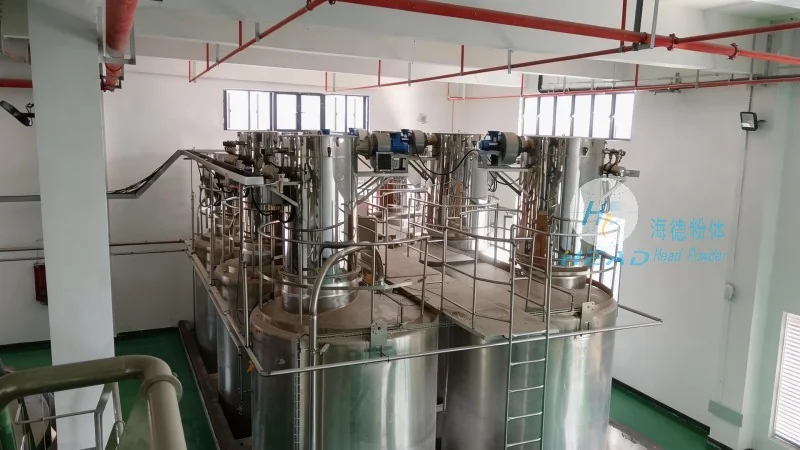
Introduction to Phosphate Iron Lithium Powder Conveying Lines
A phosphate iron lithium powder conveying line is a specialized system engineered to transport LFP powder from one processing stage to another within a battery manufacturing facility. This line typically integrates various components such as hoppers, feeders, conveyor belts, and dust collection systems. The primary goal is to maintain the integrity of the powder, which is vital for the performance of the final battery product. The system must be capable of handling the unique properties of LFP powder, including its fine particle size and potential for static charge accumulation.
Key Design Principles for Efficient Powder Handling
The design of a phosphate iron lithium powder conveying line adheres to several critical principles to ensure optimal performance. Firstly, the system must minimize particle degradation through gentle handling. This involves using low-friction materials and avoiding high-impact components that could cause the powder to break down or agglomerate. Secondly, the design prioritizes dust control and environmental safety. LFP powder is often fine and can create airborne dust, which poses health and safety risks. Therefore, dust collection systems and sealed conveying methods are integral parts of the design. Thirdly, the system is engineered for scalability and adaptability. As battery production scales up, the conveying line must be able to handle increased volumes without compromising efficiency or safety. This includes modular components that can be easily expanded or reconfigured. Additionally, the design considers energy efficiency, using motorized systems that are optimized to reduce power consumption while maintaining the required flow rates. The integration of advanced sensors and control systems also allows for real-time monitoring and adjustment of the conveying process, further enhancing performance and reliability.
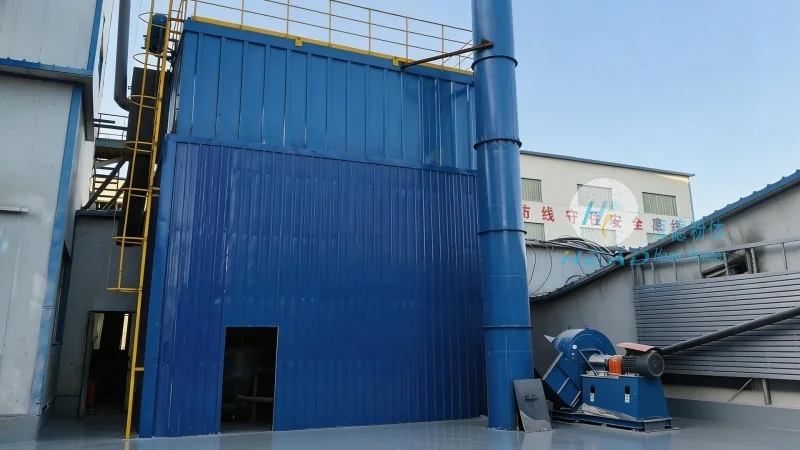
Components and Their Roles in the Conveying Process
The phosphate iron lithium powder conveying line consists of several interconnected components, each playing a vital role in the overall process. The hopper is the initial storage unit where the LFP powder is held before being fed into the system. It is designed with a sloped bottom to facilitate smooth discharge and prevent material bridging or caking. The feeder, often a rotary valve or a screw feeder, regulates the flow of powder from the hopper to the conveyor. This component ensures a consistent and controlled feed rate, which is essential for maintaining the quality of the powder during transportation. The conveyor itself, typically a belt or a pneumatic system, moves the powder through the line. For LFP powder, a belt conveyor is commonly used due to its ability to handle fine powders without causing excessive friction or particle breakage. The system also includes a dust collection unit, which captures any airborne particles and returns them to the conveying line, preventing loss and maintaining environmental compliance. The use of sealed conveyor systems, such as tube or flexible hose conveyors, further enhances dust control by containing the powder within a closed environment.
Ensuring Safety and Compliance in Design
Given the nature of LFP powder, safety is a paramount consideration in the design of the conveying line. The system is constructed with explosion-proof features to mitigate the risk of dust explosions, which are a significant hazard in powder handling facilities. This includes the use of explosion-proof motors, electrical components, and ventilation systems that are designed to prevent the accumulation of explosive dust clouds. Additionally, the design incorporates static grounding mechanisms to prevent the buildup of static electricity, which could otherwise lead to sparks and fire hazards. The entire system is also built to comply with relevant industrial standards and regulations, such as those from the National Fire Protection Association (NFPA) and the International Electrotechnical Commission (IEC), ensuring that it meets the safety and environmental requirements of the battery manufacturing industry. Regular maintenance and monitoring are also part of the design philosophy to ensure long-term safety and operational reliability, including routine inspections of dust collection systems and static grounding connections.
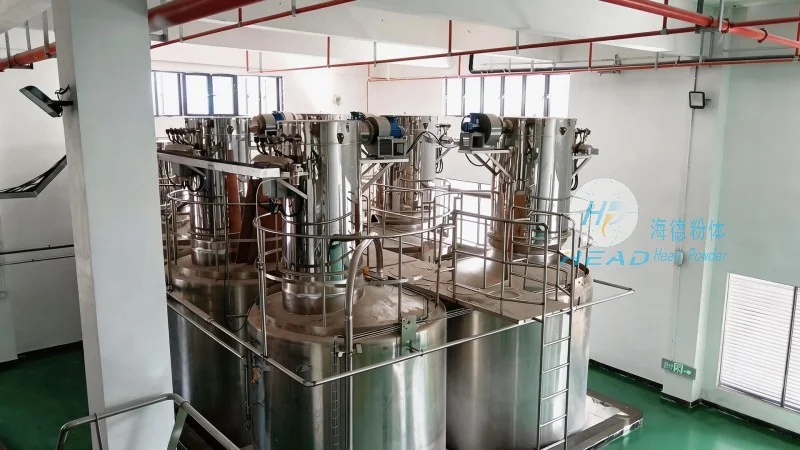
Applications and Industry Impact
The phosphate iron lithium powder conveying line is a critical piece of equipment in the battery manufacturing process, particularly for the production of lithium-ion batteries that use LFP as the cathode material. Its efficient and safe handling of LFP powder contributes to the overall quality and performance of the final battery product. By maintaining the powder's integrity and minimizing contamination, the conveying line helps ensure that the batteries produced are reliable, durable, and meet the stringent performance standards required by modern applications. The system's design also supports the scalability of battery production, enabling manufacturers to meet growing demand for LFP-based batteries in various sectors, including electric vehicles and renewable energy storage systems. This is particularly important as the global shift towards electric mobility and sustainable energy solutions accelerates the need for high-quality battery components.
About Shandong HeadPowder Engineering Co., Ltd.
Shandong HeadPowder Engineering Co., Ltd., commonly known as HeadPowder, is a leading manufacturer specializing in powder handling and conveying systems. With a focus on innovation and customer-centric solutions, HeadPowder provides high-quality equipment tailored to the specific needs of the battery and material processing industries. The company's expertise in designing and manufacturing phosphate iron lithium powder conveying lines reflects its commitment to excellence and safety in the field. HeadPowder's facilities are located in Shandong, China, where the company leverages advanced technology and rigorous quality control processes to deliver reliable and efficient solutions to its clients worldwide. The company adheres to international quality standards, such as ISO 9001, ensuring that its products meet the highest industry benchmarks. HeadPowder's team of engineers and technicians work closely with clients to understand their specific requirements and develop customized solutions that enhance operational efficiency and reduce downtime.