With more than 10‑year industry experience, Shandong Headpowder delivers full‑service pneumatic‑conveying systems and blowers, undertaking nationwide turn‑key powder‑handling projects.
When it comes to the efficient handling and transportation of bulk powders in industrial settings, the automatic powder conveyor emerges as a critical solution. This equipment is designed to move powders like cement, flour, or chemical powders from one location to another with precision and reliability. Understanding what an automatic powder conveyor is and its underlying design principles is essential for industries that rely on consistent and safe material handling processes. As a leading manufacturer in the field, Shandong HeadPowder Engineering Co., Ltd. specializes in designing and supplying high-quality automatic powder conveyors tailored to meet the specific needs of various industries.
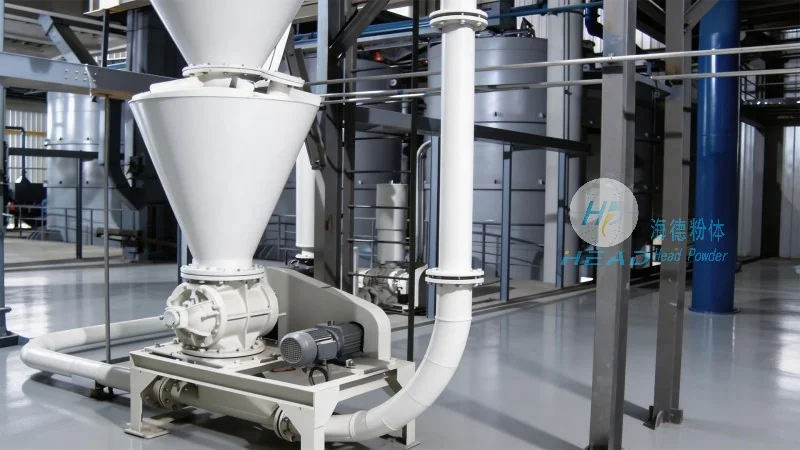
An automatic powder conveyor, also known as a bulk material handling system, is a mechanical device engineered to transport dry, free-flowing powders without the need for human intervention. These systems are widely used in sectors such as construction, food processing, pharmaceuticals, and chemical manufacturing. The primary goal of an automatic powder conveyor is to enhance operational efficiency, reduce labor costs, and ensure the safe and hygienic transfer of powders throughout the production process.
The design of an automatic powder conveyor involves several key components that work in tandem to achieve effective material handling. These components include:
1. Hopper or Feeder: This is the initial component where the powder is stored and fed into the conveyor system. The hopper is designed to maintain a consistent flow of material, preventing clogging and ensuring a steady supply to the conveyor. The design of the hopper often incorporates features like a conical shape or a vibratory feeder to facilitate smooth material discharge.
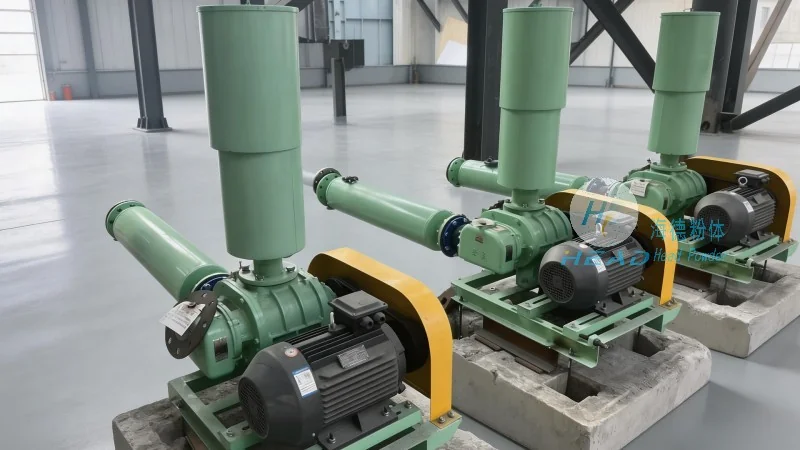
2. Pneumatic or Mechanical Conveying System: This is the core of the automatic powder conveyor, responsible for moving the powder from the hopper to the discharge point. Pneumatic conveyors use air pressure to transport the material, while mechanical conveyors rely on screws, belts, or buckets. The choice between pneumatic and mechanical systems depends on factors such as the material's properties, the distance to be covered, and the required flow rate.
3. Control System: Modern automatic powder conveyors are equipped with advanced control systems that monitor and regulate the operation. These systems may include sensors to detect material levels, pressure gauges to monitor air flow, and programmable logic controllers (PLCs) to adjust the conveyor speed or shut down the system in case of an emergency. The control system ensures that the conveyor operates efficiently and safely, minimizing downtime and maximizing productivity.
4. Discharge and Dosing Unit: The final component of the automatic powder conveyor is the discharge unit, which delivers the powder to its destination. This may include a dosing valve, a rotary valve, or a metering pump, depending on the application. The discharge unit is designed to control the flow rate of the powder, ensuring accurate dosing for processes like mixing or packaging.
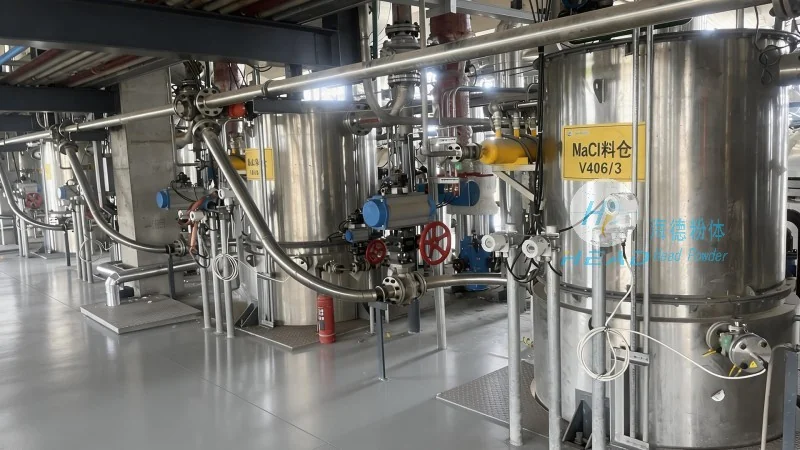
The design principles of an automatic powder conveyor are centered around several key factors that ensure optimal performance and reliability. These principles include:
1. Material Compatibility: The design of the conveyor must consider the properties of the powder being handled. Factors such as particle size, moisture content, and flowability are crucial. For example, a conveyor designed for fine powders may use a different hopper design than one for coarse powders to prevent bridging or segregation. The materials used in the construction of the conveyor, such as stainless steel or food-grade plastics, must also be compatible with the powder to avoid contamination.
2. Flow Control and Prevention of Clogging: Clogging is a common issue in powder handling systems, and the design of the automatic powder conveyor addresses this by incorporating features that maintain consistent material flow. This includes the use of vibratory feeders, air knives, or rotating paddles to break up clumps and ensure smooth movement. The hopper design, with its conical or wedge-shaped bottom, also helps to prevent material buildup and facilitates uniform discharge.
3. Energy Efficiency: Modern automatic powder conveyors are designed with energy efficiency in mind. This includes optimizing the air pressure in pneumatic systems, using variable speed drives to adjust conveyor speed based on demand, and minimizing the use of excess power. Energy-efficient designs not only reduce operational costs but also contribute to sustainability goals in industrial operations.
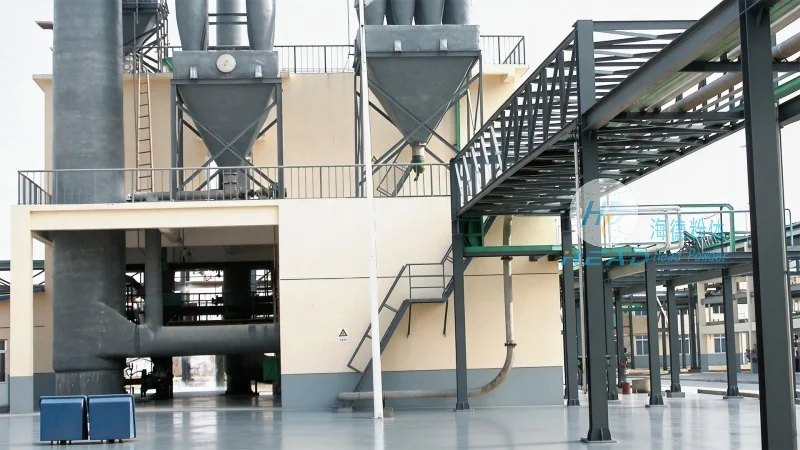
4. Safety and Hygiene: The design of the automatic powder conveyor prioritizes safety and hygiene, especially in industries like food and pharmaceuticals. Features such as sealed hopper designs, easy-to-clean surfaces, and explosion-proof components are incorporated to ensure that the system operates safely and meets regulatory standards. The control system may also include safety interlocks to prevent accidental start-ups or overloads.
Automatic powder conveyors are versatile and find applications in a wide range of industries. In the construction industry, they are used to transport cement, sand, and other building materials to different parts of a construction site. In the food processing industry, they handle ingredients like flour, sugar, and spices, ensuring consistent quality and preventing cross-contamination. In the pharmaceutical industry, they transport active pharmaceutical ingredients (APIs) and excipients with high precision, maintaining the integrity of the product. In chemical manufacturing, they handle various chemical powders, ensuring safe and efficient processing.
Automatic powder conveyors are essential equipment in modern industrial operations, offering efficient, reliable, and safe transportation of bulk powders. The design principles behind these systems, including material compatibility, flow control, energy efficiency, and safety, ensure that they meet the diverse needs of various industries. As technology advances, automatic powder conveyors continue to evolve, incorporating more advanced features to enhance performance and reduce operational costs. For industries that rely on consistent and high-quality material handling, the automatic powder conveyor remains a critical investment.

 Shandong Headpowder Engineering Co., Ltd.
 156-6277-7102(Manager Zhang)
  0531-83386006
  Zhangqiu District, Jinan City, Shandong Province, China
telephone
WeChatconsult
top