With more than 10‑year industry experience, Shandong Headpowder delivers full‑service pneumatic‑conveying systems and blowers, undertaking nationwide turn‑key powder‑handling projects.
Barley powder conveying equipment is a specialized system engineered to handle the efficient and reliable transport of barley powder, a crucial ingredient in various food and industrial applications. This equipment plays a vital role in processing facilities, ensuring that barley powder is moved from storage to processing lines without loss, contamination, or degradation. Understanding the components and design principles of such equipment is essential for optimizing production processes and maintaining product quality, as highlighted by industry leaders like Shandong HeadPowder Engineering Co., Ltd., a company based in China.

Barley powder conveying equipment is designed to address the unique challenges of handling barley powder, which is a fine, dry powder with specific flow characteristics. The primary goal of this equipment is to ensure that the powder moves smoothly and consistently through the system, minimizing issues like caking, bridging, or segregation. These challenges arise due to the powder's particle size, moisture content, and density, making specialized equipment necessary for effective handling. Companies like Shandong HeadPowder Engineering Co., Ltd. specialize in designing and manufacturing such equipment to meet the diverse needs of processing facilities.
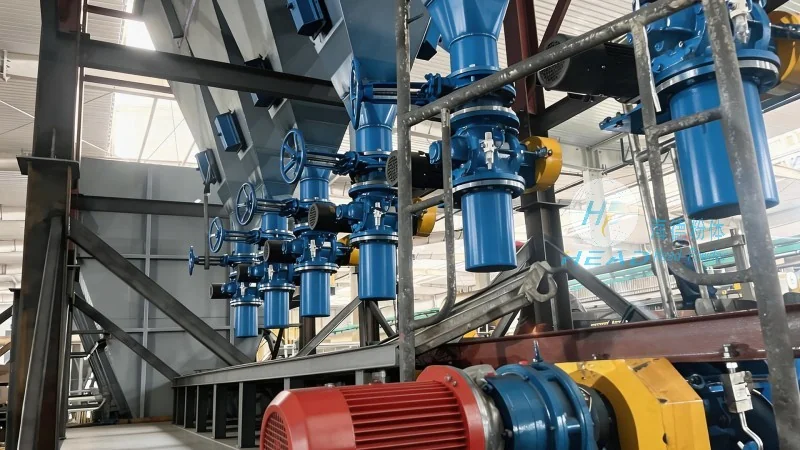
The core components of a barley powder conveying system typically include a hopper for material storage, a feeder to control the flow rate, a conveyor mechanism (such as a screw conveyor or pneumatic conveyor), and a control system to regulate operation. The hopper is designed to prevent material from caking and to provide a consistent feed to the feeder. The feeder, often a rotary valve or a screw feeder, ensures that the powder is discharged at a controlled rate, preventing overloading of the conveyor. The conveyor mechanism is the heart of the system, responsible for transporting the powder from the feeder to the processing area. Pneumatic conveyors, which use air pressure to move the powder, are particularly effective for fine powders like barley powder, as they minimize particle degradation and contamination. Screw conveyors, on the other hand, are suitable for bulkier or more cohesive powders but may require additional measures to prevent caking. The design of these components is critical to the overall performance of the system, and companies like Shandong HeadPowder Engineering Co., Ltd. focus on optimizing each part for efficiency and reliability.
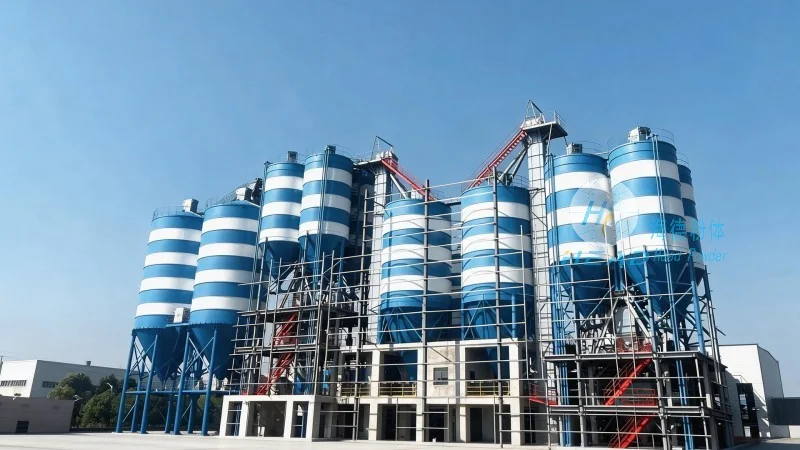
The design of barley powder conveying equipment is guided by several key principles to ensure optimal performance. First, the equipment must be constructed from materials that are compatible with the powder and resistant to corrosion or wear. Stainless steel is commonly used for its durability and hygiene, which is critical in food processing applications. Second, the system must be designed to minimize the risk of contamination, as barley powder is often used in food products. This includes features like sealed hoppers, sanitary fittings, and easy-to-clean surfaces. Third, the equipment should be designed for easy maintenance and cleaning, as regular maintenance is essential to prevent clogging and ensure consistent performance. Finally, the system must be energy-efficient, as conveying large quantities of powder can be energy-intensive. Modern designs incorporate variable speed drives and efficient air compressors to reduce energy consumption while maintaining performance. These design principles are central to the products offered by Shandong HeadPowder Engineering Co., Ltd., which aims to provide high-quality, reliable equipment for its clients.
Barley powder conveying equipment is widely used in various industries, including food processing, pharmaceuticals, and chemical manufacturing. In the food industry, it is used to transport barley powder for use in baked goods, beverages, and other food products. The equipment ensures that the powder is delivered to the production line in a clean and consistent manner, maintaining product quality and safety. In the pharmaceutical industry, the equipment is used to transport barley powder for use in supplements or other medicinal products, where purity and consistency are paramount. The design of the equipment, with its sanitary features and contamination control measures, meets the stringent requirements of the pharmaceutical industry. In chemical manufacturing, barley powder conveying equipment is used to transport the powder for use in industrial processes, where reliability and efficiency are critical. The versatility of this equipment makes it a valuable asset for processing facilities across different sectors.
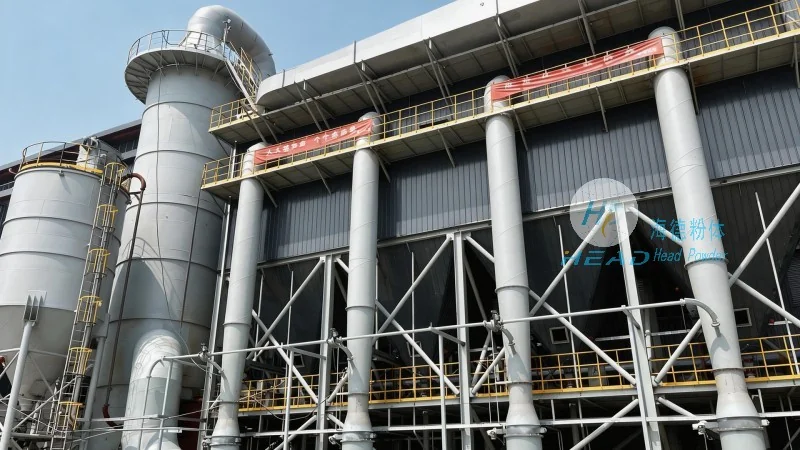
Barley powder conveying equipment is often customized to meet the specific needs of a processing facility. This includes adjusting the capacity of the hopper and feeder to match the production rate, selecting the appropriate conveyor type based on the powder's characteristics, and integrating the system with other processing equipment. For example, the conveyor may be connected to a mixer or a grinder, allowing for a seamless flow of materials through the production line. Customization also involves considering the space constraints of the facility, with compact designs available for smaller operations. The integration of the conveying system with other equipment is crucial for maintaining a smooth production process, as any delays or inefficiencies in the conveying system can disrupt the entire production line. Companies like Shandong HeadPowder Engineering Co., Ltd. offer tailored solutions to ensure that the equipment integrates smoothly with existing processing lines.

 Shandong Headpowder Engineering Co., Ltd.
 156-6277-7102(Manager Zhang)
  0531-83386006
  Zhangqiu District, Jinan City, Shandong Province, China
telephone
WeChatconsult
top