With more than 10‑year industry experience, Shandong Headpowder delivers full‑service pneumatic‑conveying systems and blowers, undertaking nationwide turn‑key powder‑handling projects.
Feed powder handling equipment is a critical component in the modern agricultural and animal feed sectors. These systems are essential for the efficient transportation, storage, and distribution of feed powders, which are fundamental to livestock and poultry farming. Understanding the design principles behind such equipment is vital for optimizing operational efficiency and maintaining the quality of feed products.
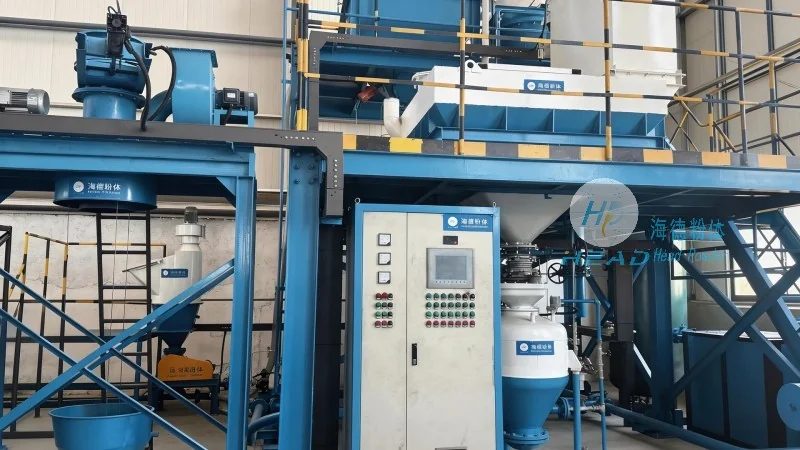
Feed powder handling equipment encompasses various machinery and systems engineered to manage the movement of feed powders from production to storage and ultimately to feeding points. This includes conveyors, silos, feed mixers, and pneumatic transport systems. The primary objective of these systems is to handle feed powders safely, hygienically, and with minimal loss or contamination. The design of these equipment must account for factors like material properties, flow characteristics, and the specific requirements of the feed processing line.
The design of feed powder handling equipment is grounded in several fundamental principles to ensure optimal performance. A critical consideration is the feed material's bulk density, flowability, and moisture content, as these properties directly affect how the feed behaves during transport and storage. For instance, cohesive or sticky feed powders may require specialized features like agitators or vibrators to prevent blockages and ensure smooth flow. The equipment must also be constructed from corrosion-resistant and wear-resistant materials, as feed powders can be abrasive and may contain chemicals that could damage standard metal components.
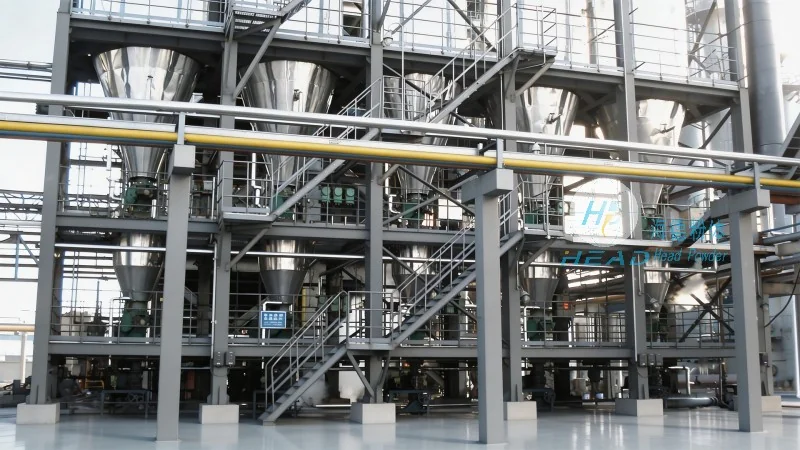
Another key design principle is the integration of dust control measures. Feed powders are often fine and can generate significant dust, posing health and safety risks to workers and potentially affecting feed quality. Therefore, equipment designers incorporate dust collection systems, sealed containers, and proper ventilation to minimize dust exposure. Additionally, the design must prioritize hygiene and easy cleaning to prevent cross-contamination between different feed batches, including smooth surfaces, minimal dead zones, and easy access for maintenance and cleaning.
There are several types of feed powder handling equipment, each tailored to different operational needs. One common type is the screw conveyor, which uses a rotating screw to move feed powders through a tube or trough. Screw conveyors are suitable for horizontal or slight incline transport and can handle a wide range of feed types. Another type is the pneumatic conveyor, which uses air pressure to transport feed powders through a pipeline. Pneumatic systems are ideal for long-distance transport and can handle fine powders that are difficult to move with mechanical conveyors. Silos and storage bins are also integral components, designed to store large quantities of feed powders under controlled conditions to maintain quality and prevent spoilage.
Feed powder handling equipment is widely utilized in the feed processing industry to streamline operations from raw material handling to final product distribution. In a typical feed mill, the equipment works in conjunction with feed mixers and processing machinery to ensure accurate measurement, mixing, and delivery of feed powders to animals. The efficiency of the handling system directly impacts overall productivity, as delays or blockages can lead to production bottlenecks and increased costs. Thus, the design and maintenance of these systems are critical to sustaining high operational standards.
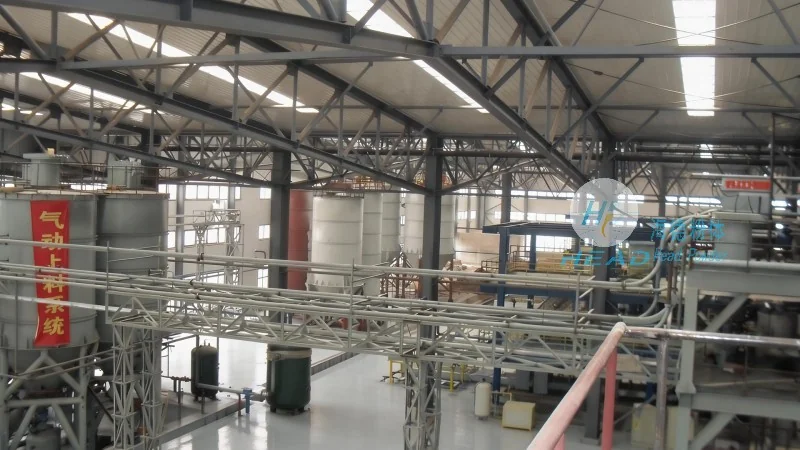
Shandong HeadPowder Engineering Co., Ltd., commonly known as HeadPowder, is a leading manufacturer of feed powder handling equipment. The company specializes in providing customized solutions for the feed industry, combining advanced technology with extensive industry experience. HeadPowder's products are designed to meet the specific needs of diverse feed processing applications, ensuring reliability, efficiency, and durability. The company's commitment to quality and customer satisfaction has established it as a trusted partner in the global feed industry.
In summary, feed powder handling equipment is indispensable in modern feed processing operations, and their design principles are crucial for achieving optimal performance and feed quality. By considering factors such as material properties, dust control, and hygiene, equipment designers can create systems that efficiently handle feed powders while maintaining safety and efficiency. Companies like Shandong HeadPowder Engineering Co., Ltd. play a pivotal role in delivering advanced solutions that align with the evolving needs of the feed industry.

 Shandong Headpowder Engineering Co., Ltd.
 156-6277-7102(Manager Zhang)
  0531-83386006
  Zhangqiu District, Jinan City, Shandong Province, China
telephone
WeChatconsult
top