With more than 10‑year industry experience, Shandong Headpowder delivers full‑service pneumatic‑conveying systems and blowers, undertaking nationwide turn‑key powder‑handling projects.
Rice husk powder conveying is a specialized process used in the handling and transportation of rice husk powder, a byproduct of rice milling. This material, often used as a fuel source or in industrial applications, requires efficient and reliable conveying systems to ensure safe and effective transport. The design principles behind rice husk powder conveying systems are critical to optimizing performance, minimizing material loss, and ensuring operational safety. Shandong HeadPowder Engineering Co., Ltd., a leading provider of powder handling solutions, specializes in developing tailored conveying systems for rice husk powder applications.

Rice husk powder, with its fine particulate nature, presents unique challenges in material handling. Unlike bulk solids with larger particle sizes, rice husk powder is prone to dust generation, static electricity buildup, and blockage in traditional conveying equipment. Therefore, specialized equipment and design considerations are essential to address these challenges effectively. The primary goal of rice husk powder conveying is to transport the material from a source, such as a storage silo or processing unit, to a destination, like a combustion chamber or processing plant, while maintaining material integrity and operational efficiency.
The design of rice husk powder conveying systems revolves around several core principles aimed at overcoming the inherent properties of the material. First, the system must address the issue of dust and static electricity. This is typically achieved through the use of conductive materials, grounding mechanisms, and proper ventilation to prevent dust accumulation and electrical hazards. Second, the equipment must be designed to handle the fine particle size and potential for agglomeration. This involves selecting appropriate conveyor types, such as pneumatic conveyors or screw conveyors, that can effectively move the powder without causing blockages or excessive wear. Third, the system must ensure minimal material loss and contamination. This is achieved through sealed systems, proper sealing of components, and regular maintenance to prevent leaks and ensure the material remains within the conveying path.
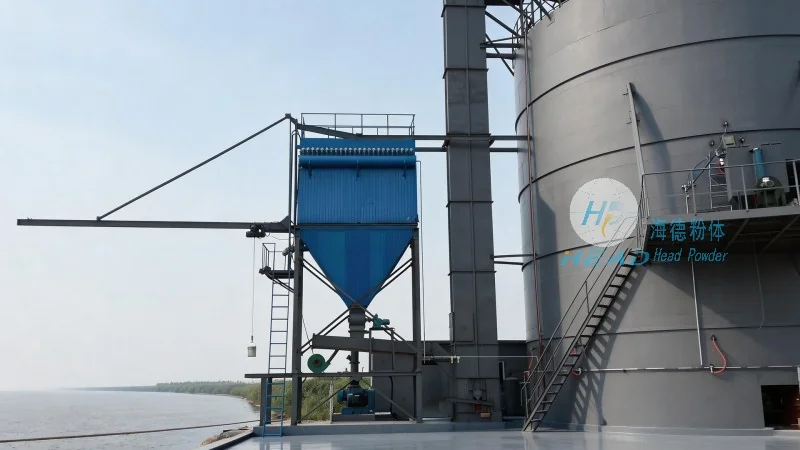
Modern rice husk powder conveying systems incorporate a range of components and technologies to enhance performance and reliability. Pneumatic conveying systems, which use air pressure to move the powder through a pipeline, are commonly used for long-distance transport and to handle fine powders. These systems can be either positive displacement or pressure-assisted, depending on the application requirements. Screw conveyors, on the other hand, are often used for short-distance transport and in applications where the material needs to be mixed or processed along the conveying path. In addition to the conveying equipment itself, auxiliary components such as feeders, hoppers, and dust collectors are essential to ensure smooth operation and maintain material quality.
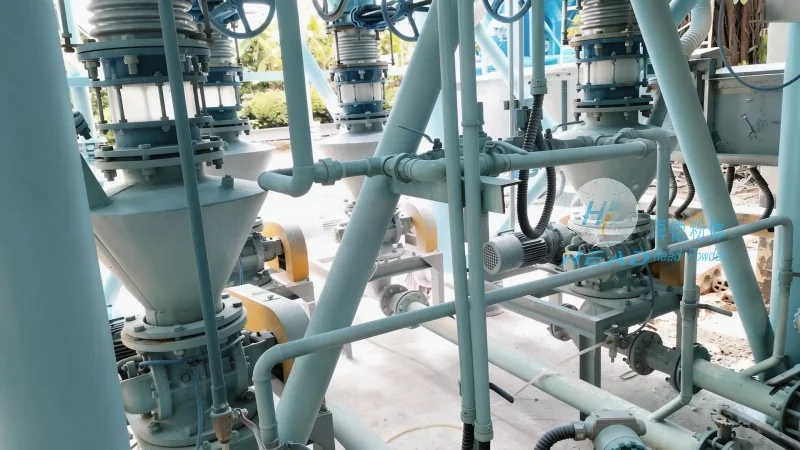
Effective operation of rice husk powder conveying systems requires adherence to best practices to maximize efficiency and minimize downtime. Regular maintenance is crucial, as the fine nature of the powder can lead to wear on components like bearings and seals. This includes routine inspections, cleaning, and replacement of worn parts to prevent system failures. Additionally, proper material handling techniques, such as ensuring the powder is properly dried and stored to prevent moisture buildup, can significantly improve conveying performance. The use of monitoring systems to track pressure, flow rates, and material levels also helps in identifying potential issues early and ensuring optimal system performance.
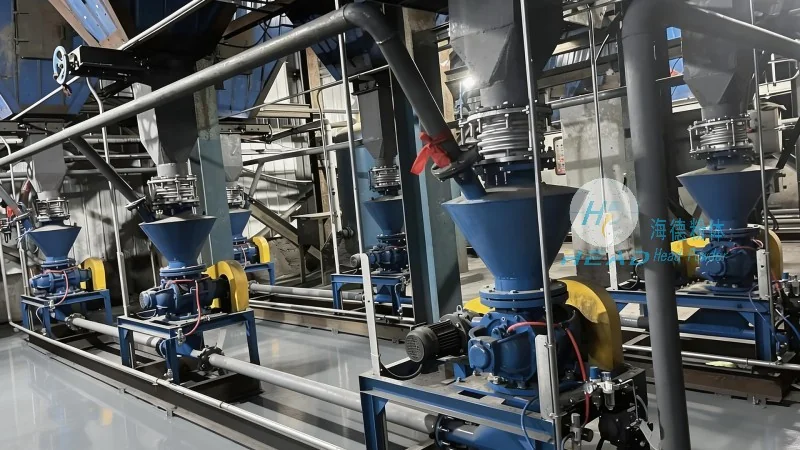
Rice husk powder conveying systems play a vital role in various industries, particularly in the energy sector where rice husk is used as a renewable fuel source. By efficiently transporting the powder to power plants or industrial boilers, these systems contribute to sustainable energy production and reduce reliance on fossil fuels. In addition to energy applications, rice husk powder is also used in the production of biochar, activated carbon, and other industrial products, making the conveying process an integral part of the overall production workflow. The reliability and efficiency of these conveying systems directly impact the cost-effectiveness and environmental sustainability of rice husk utilization.
In conclusion, rice husk powder conveying is a critical process in the handling of this valuable byproduct. The design principles and technologies employed in these systems are tailored to address the unique challenges posed by the fine particulate nature of rice husk powder. By incorporating specialized equipment, proper maintenance, and operational best practices, companies can ensure efficient and safe transport of the material, contributing to the overall success of their operations and the broader goals of sustainable resource utilization. Shandong HeadPowder Engineering Co., Ltd. continues to innovate in this field, providing reliable solutions that meet the evolving needs of industries relying on rice husk powder.

 Shandong Headpowder Engineering Co., Ltd.
 156-6277-7102(Manager Zhang)
  0531-83386006
  Zhangqiu District, Jinan City, Shandong Province, China
telephone
WeChatconsult
top