With more than 10‑year industry experience, Shandong Headpowder delivers full‑service pneumatic‑conveying systems and blowers, undertaking nationwide turn‑key powder‑handling projects.
Monosodium glutamate (MSG), a widely utilized flavor enhancer in the food industry, necessitates efficient and reliable transportation solutions to ensure its safe and effective handling. The monosodium glutamate pneumatic conveying system equipment is a specialized technology engineered to transport MSG powder or granules from one location to another within industrial facilities. This system integrates pneumatic conveying principles with advanced engineering to provide a robust solution for material handling in food processing and related sectors. The primary goal of such systems is to maintain the quality and integrity of MSG, a product critical for enhancing food flavors, while ensuring seamless and hygienic material movement throughout the production process.
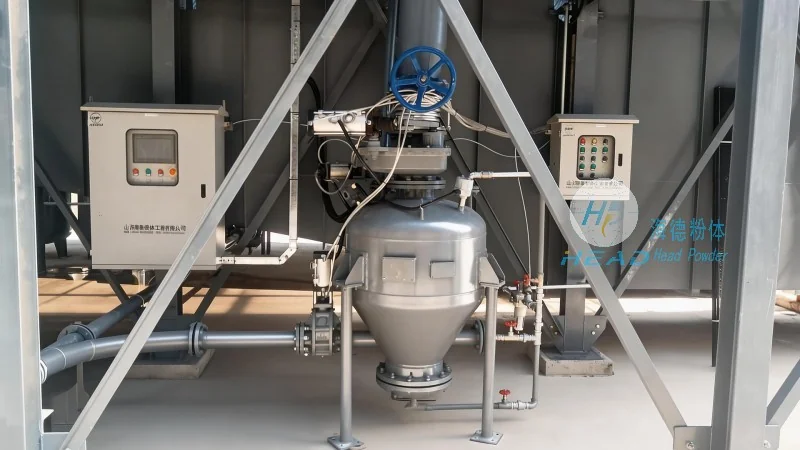
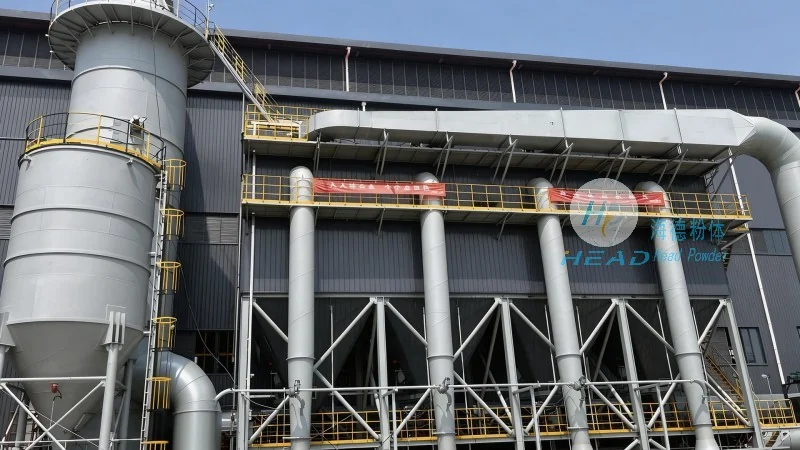
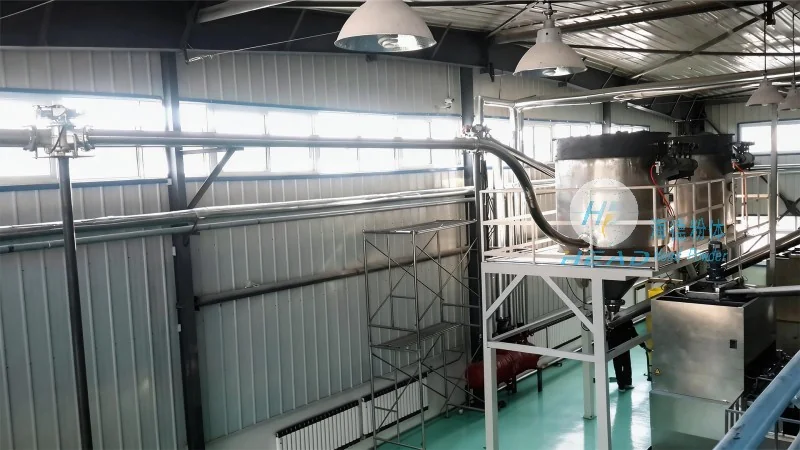
The monosodium glutamate pneumatic conveying system comprises several critical components that work in concert to achieve efficient material transport. These components include the feed hopper or storage silo, which holds the MSG material and regulates the flow rate; the air compressor or blower, which generates the necessary air pressure to move the material; the conveying line, typically constructed from stainless steel to prevent contamination and ensure durability; and the control system, which monitors and adjusts the operation to maintain optimal performance. The feed hopper is designed with a discharge valve or rotary valve to control the material flow into the system, preventing overfilling and ensuring consistent feeding. The air compressor, often a centrifugal or positive displacement type, provides the required air pressure, typically ranging from 0.5 to 1.5 bar, depending on the system's capacity and the material's characteristics. For high-capacity systems, centrifugal compressors are preferred due to their ability to handle large volumes of air, while positive displacement blowers are suitable for smaller systems or where precise pressure control is needed. The conveying line is usually made of stainless steel pipes with appropriate fittings and elbows to direct the material and air flow. The use of T-joints, elbows, and straight sections is carefully planned to minimize pressure drop and ensure smooth material transport. The control system may include sensors to monitor pressure, flow, and temperature, ensuring the system operates within safe and efficient parameters. Additionally, the system may incorporate a dust collector or filter to capture any airborne particles and prevent environmental contamination.

 Shandong Headpowder Engineering Co., Ltd.
 156-6277-7102(Manager Zhang)
  0531-83386006
  Zhangqiu District, Jinan City, Shandong Province, China
telephone
WeChatconsult
top