With more than 10‑year industry experience, Shandong Headpowder delivers full‑service pneumatic‑conveying systems and blowers, undertaking nationwide turn‑key powder‑handling projects.
Understanding the fundamentals of gypsum powder pneumatic conveying is crucial for industries that rely on efficient material handling. This technology involves transporting dry powders, such as gypsum, through a pipeline using air or gas as the conveying medium. The process is widely used in various sectors, including construction, manufacturing, and mineral processing, due to its ability to move materials over long distances with minimal equipment and operational complexity.
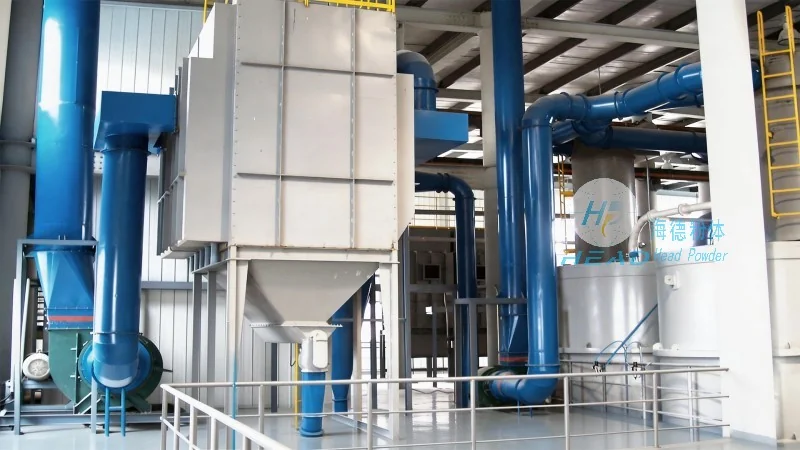
Gypsum powder, a common building material derived from the mineral gypsum, is often transported using pneumatic conveying systems. These systems utilize pressure or vacuum to move the powder through a pipeline. The primary advantage of this method is its ability to handle fine, dusty materials without the need for mechanical components like belts or buckets, which can be prone to wear and maintenance issues. The system typically consists of a hopper for material storage, a conveyor line, and a receiver for the discharged material. Air is introduced into the system, either by creating a vacuum (in suction systems) or by pressurizing the line (in pressure systems), to create the necessary flow for the powder.
The design of a gypsum powder pneumatic conveying system is based on several key principles to ensure optimal performance and efficiency. The first principle is the selection of the appropriate conveying method, which depends on the distance, material characteristics, and system requirements. For short distances, pressure systems are often preferred, while suction systems are more suitable for longer distances or when the material needs to be collected from multiple sources. The second principle involves the calculation of air velocity and flow rate. The air velocity must be high enough to keep the powder particles suspended in the air stream but not so high as to cause excessive pressure drops or energy consumption. The third principle is the sizing of the pipeline and components. The diameter of the pipe is critical; it must be large enough to prevent particle settling and blockages, while minimizing pressure losses. Additionally, the system must include proper filtration and dust collection to comply with environmental regulations and maintain air quality.
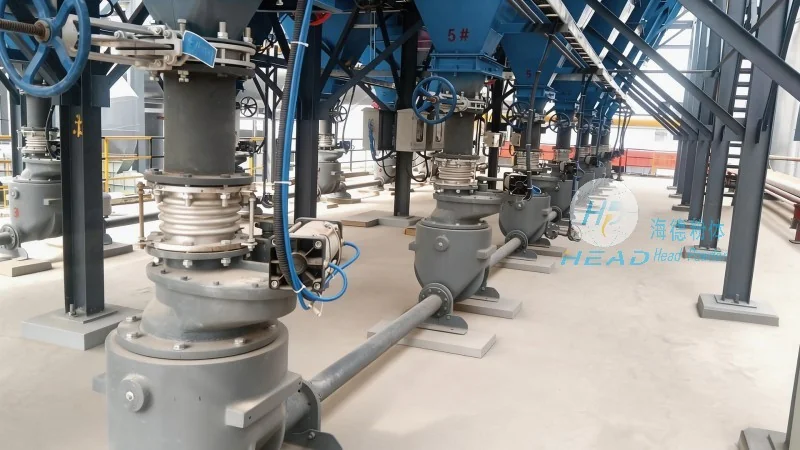
Several key components make up a typical gypsum powder pneumatic conveying system. The hopper serves as the storage and feeding unit, ensuring a consistent flow of material into the system. The feeder, often a rotary valve or a star valve, controls the rate of material discharge from the hopper. The conveyor line, made of materials resistant to corrosion and abrasion (such as stainless steel or plastic), transports the powder. The air mover, which can be a fan for suction systems or a blower for pressure systems, provides the necessary air flow. The receiver, located at the end of the line, collects the discharged material. The system may also include a filter and a dust collector to remove any particles that escape from the line, preventing contamination and ensuring compliance with environmental standards.
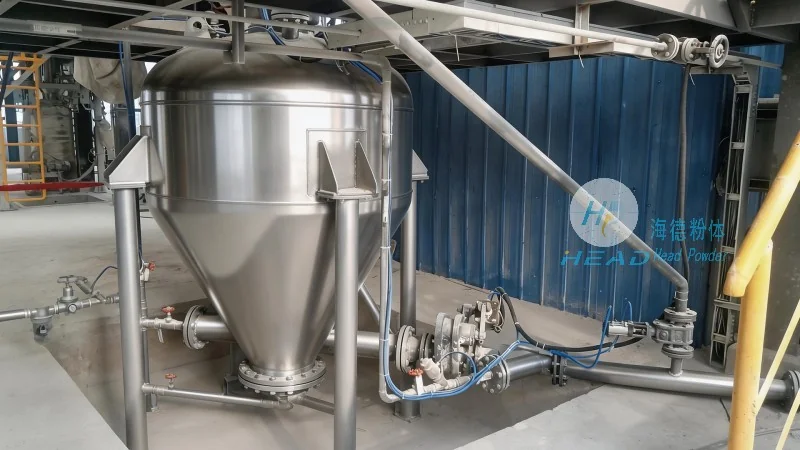
Compared to traditional mechanical conveying methods, gypsum powder pneumatic conveying offers several advantages. First, it is more flexible, as the system can be easily modified or expanded to accommodate changes in production needs. Second, it is more hygienic, as the material is contained within the pipeline, reducing the risk of contamination and dust exposure. Third, it is more energy-efficient for certain applications, as the system can be optimized to minimize air consumption. Fourth, it is more cost-effective in the long run, as it reduces maintenance costs and equipment wear compared to mechanical systems. These advantages make pneumatic conveying an attractive option for industries handling gypsum powder.
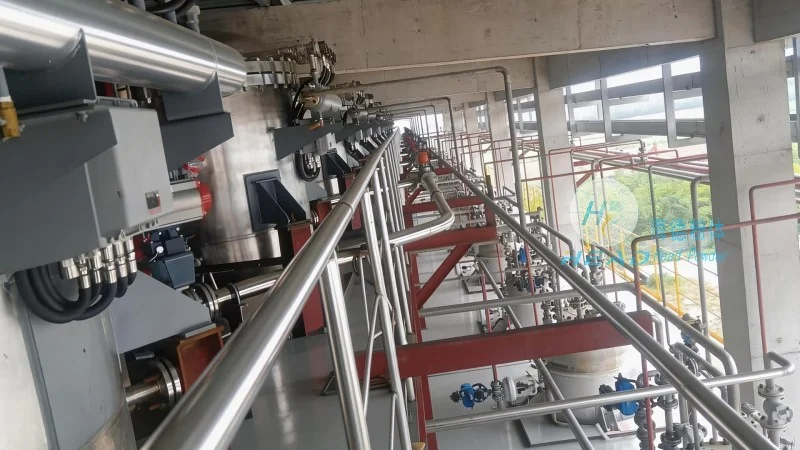
Gypsum powder pneumatic conveying is used in a variety of applications across different industries. In the construction industry, it is used to transport gypsum for wallboard production and for plastering applications. In the manufacturing industry, it is used to convey gypsum for the production of gypsum products, such as ceiling tiles and decorative elements. In the mineral processing industry, it is used to transport gypsum from mining sites to processing facilities. The versatility of the system allows it to be adapted to various production processes and material handling requirements.
When implementing a gypsum powder pneumatic conveying system, several considerations must be taken into account. The first consideration is the material characteristics, such as particle size, density, and moisture content, as these factors affect the system's performance and design. The second consideration is the system's capacity and throughput, which must be matched to the production requirements. The third consideration is the environmental regulations and safety standards, which dictate the need for proper filtration and dust control. The fourth consideration is the cost of the system, including initial investment and operational costs. By carefully evaluating these factors, industries can select the most suitable pneumatic conveying system for their gypsum powder handling needs.

 Shandong Headpowder Engineering Co., Ltd.
 156-6277-7102(Manager Zhang)
  0531-83386006
  Zhangqiu District, Jinan City, Shandong Province, China
telephone
WeChatconsult
top