

What is a Fine Sand Pneumatic Conveying Equipment? Introduction to the Structure and Principle of Po
Understanding the fine sand pneumatic conveying equipment is crucial for industries dealing with powder and granular materials. This equipment, often referred to as a powder handling system, is designed to transport fine sand and other similar particulate materials efficiently and safely. The following sections will delve into the structure and operational principles of such equipment, providing a comprehensive overview for professionals in the field. As a leading manufacturer in the industry, Shandong HeadPowder Engineering Co., Ltd. specializes in the design and production of high-quality pneumatic conveying systems, including fine sand pneumatic conveying equipment.
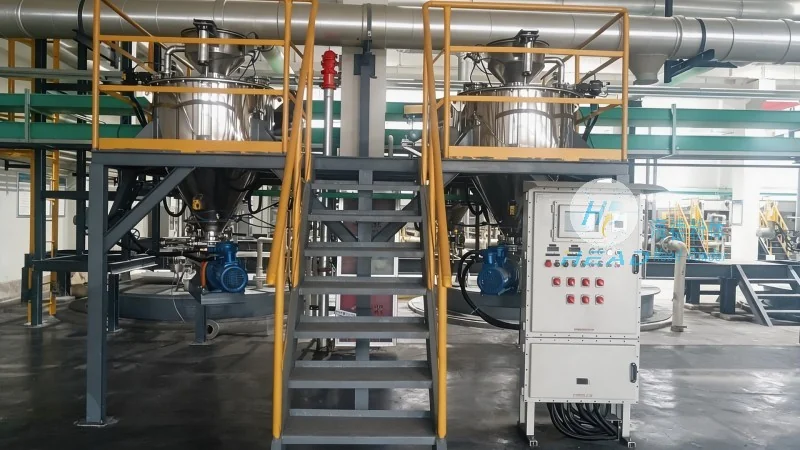
Overview of Fine Sand Pneumatic Conveying Equipment
Fine sand pneumatic conveying equipment is a specialized system used to move fine sand and other dry, free-flowing powders through a pipeline using compressed air or other gas. This method of material transport is widely adopted in various industries, including construction, mining, and chemical processing, due to its ability to handle delicate and abrasive materials without causing damage or contamination. The equipment operates by creating a pressure differential that propels the material through the pipeline, making it an ideal solution for applications where traditional mechanical conveyors may not be suitable.
Key Components of the Pneumatic Conveying System
The fine sand pneumatic conveying equipment typically consists of several key components that work in tandem to ensure efficient material transport. These components include the material feed hopper, the air compressor or blower, the conveying pipeline, the control valves, and the discharge unit. Each component plays a vital role in the overall operation of the system.
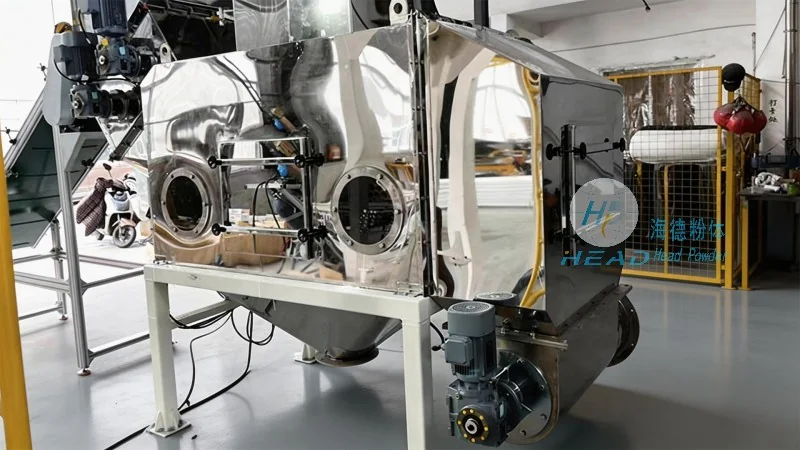
The material feed hopper is responsible for storing and feeding the fine sand into the system. It is designed to maintain a consistent flow of material to the conveying pipeline, preventing blockages and ensuring smooth operation. The hopper may include features such as a level indicator and a discharge valve to control the flow rate.
The air compressor or blower is the heart of the system, providing the necessary pressure and airflow to move the material through the pipeline. It generates compressed air that is then introduced into the conveying line, creating a pressure differential that propels the material. The choice of compressor depends on the specific requirements of the application, including the material's properties, the pipeline length, and the desired flow rate.
The conveying pipeline is a critical component that transports the fine sand from the feed hopper to the discharge point. It is typically made of durable materials such as stainless steel or plastic to withstand the abrasive nature of the material and the pressure of the air. The pipeline is designed with smooth internal surfaces to minimize friction and reduce the risk of material buildup or blockages.
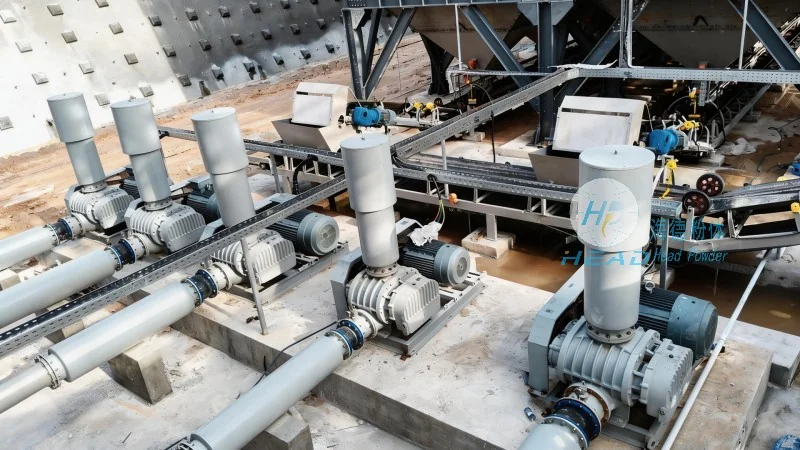
The control valves are used to regulate the flow of air and material within the system. They allow operators to adjust the pressure and flow rate as needed, ensuring optimal performance and preventing overloading or underloading of the system. Common types of control valves include check valves, pressure relief valves, and flow control valves.
The discharge unit is the final component of the system, where the fine sand is released from the pipeline. It is designed to handle the material gently and prevent it from being damaged or contaminated during the discharge process. The discharge unit may include features such as a rotary valve or a venturi to control the flow rate and ensure a smooth discharge.
Operational Principle of the Pneumatic Conveying System
The operational principle of the fine sand pneumatic conveying equipment is based on the creation of a pressure differential between the inlet and outlet of the conveying pipeline. When the air compressor or blower is activated, it introduces compressed air into the pipeline, creating a high-pressure zone at the inlet. The fine sand is then introduced into the pipeline at the feed hopper, where it is mixed with the air and propelled through the pipeline due to the pressure differential.
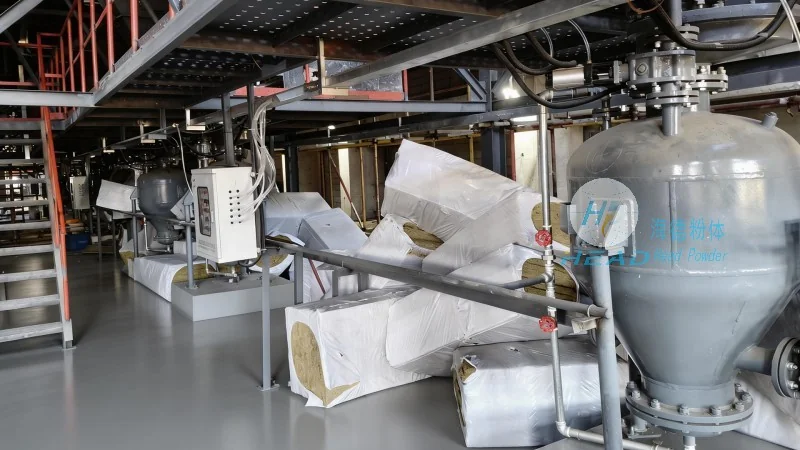
As the material travels through the pipeline, it is carried by the air stream, which maintains a consistent velocity and prevents the material from settling or clogging the pipeline. The air and material mixture continues to move until it reaches the discharge unit, where the air is separated from the material and the fine sand is released. The air is then typically recycled back to the compressor or released into the atmosphere, depending on the system design.
Advantages of Using Fine Sand Pneumatic Conveying Equipment
There are several advantages to using fine sand pneumatic conveying equipment for material transport. One of the primary benefits is the ability to handle delicate and abrasive materials without causing damage or contamination. The equipment is also capable of transporting materials over long distances and through complex layouts, making it suitable for applications where traditional conveyors may not be feasible.