With more than 10‑year industry experience, Shandong Headpowder delivers full‑service pneumatic‑conveying systems and blowers, undertaking nationwide turn‑key powder‑handling projects.
Understanding the mechanics of pneumatic conveying systems is crucial for industries that handle fine powders, such as pigments. This article provides a detailed overview of how these systems operate, focusing on the core principles and components that enable efficient material transport. The discussion will also highlight the importance of selecting the right system for specific applications, ensuring optimal performance and reliability.
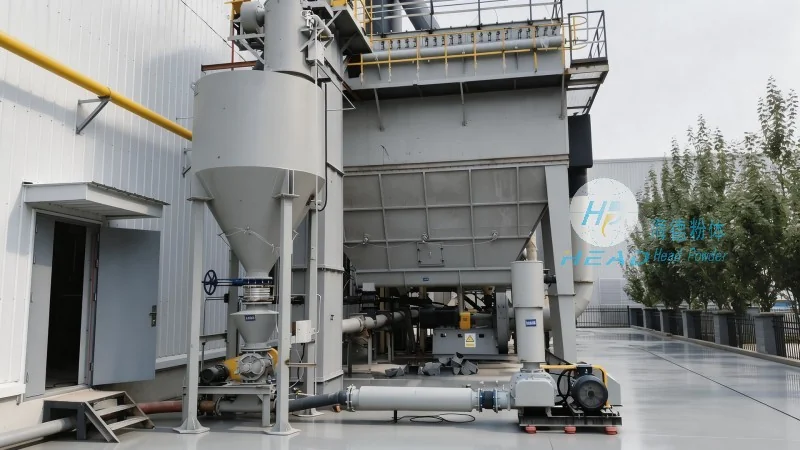
Pneumatic conveying, or powder handling systems, refers to the technology used to transport bulk materials in the form of dry powders through a pipeline using compressed air or other gas. This method is widely adopted in various industries, including the pigment manufacturing sector, due to its ability to handle delicate materials without degradation and to maintain a clean, dust-free environment. The fundamental principle involves creating a pressure differential that propels the powder particles through the system, often with the assistance of air or gas as the medium.
At the heart of any pneumatic conveying system are several critical components that work in tandem to ensure smooth material transport. These include the hopper or feeder, which holds the pigment and controls the flow rate; the air compressor or blower, which generates the necessary pressure to move the material; the pipeline network, which forms the path for the powder and air mixture; and the receiver or discharge unit, where the material is collected. Additionally, accessories like filters, cyclones, and valves are essential for maintaining system efficiency and preventing material loss or contamination.
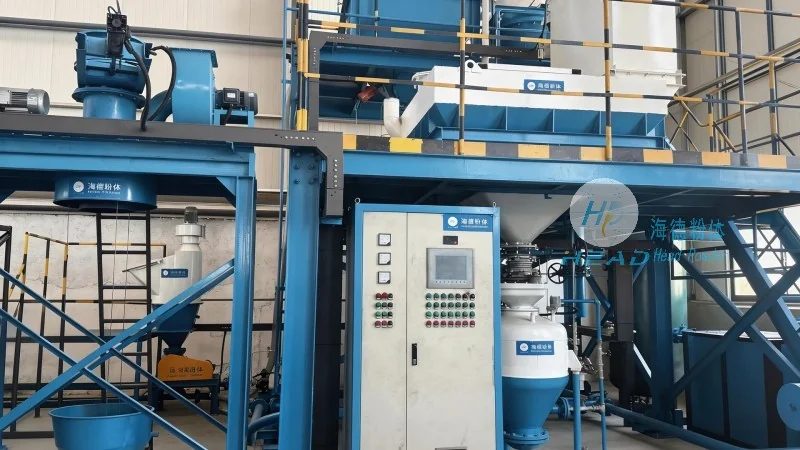
The operation of a pneumatic conveying system typically involves the following steps: First, the pigment is fed into the hopper from a storage silo or batch container. The feeder then regulates the flow of powder into the pipeline. Simultaneously, the air compressor supplies compressed air to the system, creating a pressure difference between the inlet and outlet of the pipeline. As the air flows through the pipeline, it entrains the pigment particles, forming a slurry-like mixture that is propelled forward by the pressure differential. The mixture travels through the pipeline network, which may include bends, expansions, or reductions to adjust the flow characteristics. Finally, the material is discharged into the receiver, where the air and powder are separated. The separated air is then filtered and returned to the system, while the pigment is collected for further processing or packaging.
Implementing pneumatic conveying systems for pigment handling offers numerous advantages over traditional methods like belt conveyors or manual handling. One of the most significant benefits is the ability to handle delicate pigments without causing agglomeration or degradation, which is critical for maintaining the quality and color consistency of the final product. Additionally, these systems provide a closed-loop operation, minimizing dust emissions and ensuring a clean working environment, which is essential for compliance with environmental regulations and occupational health standards. The flexibility of pneumatic conveying also allows for easy integration with existing production lines and the ability to transport materials over long distances with minimal energy consumption.
Pneumatic conveying systems are widely used in the pigment industry for various processes, including raw material handling, intermediate processing, and final product packaging. For example, in the production of inorganic pigments, these systems are employed to transport raw minerals from storage silos to grinding mills, ensuring a consistent and controlled feed rate. In organic pigment manufacturing, pneumatic conveying is used to handle fine powders during the synthesis and drying stages, preventing contamination and maintaining product purity. Furthermore, in the packaging sector, these systems facilitate the transfer of pigments from bulk storage to packaging machines, ensuring accurate dosing and reducing the risk of spills or overfilling.
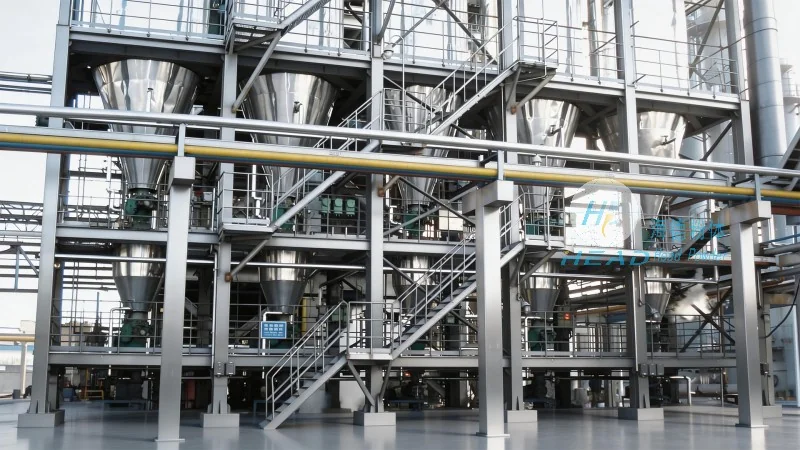
When selecting a pneumatic conveying system for pigment handling, several factors must be considered to ensure optimal performance and cost-effectiveness. The first consideration is the material characteristics, such as particle size, density, and moisture content, as these factors influence the system's design and operation. For instance, fine pigments with low bulk density may require higher air velocities to maintain proper flow, while larger particles may need a different conveying method, such as dense-phase conveying. The second factor is the distance and layout of the transport route, as the system's capacity and pressure requirements will vary based on the length and complexity of the pipeline network. Additionally, the desired throughput and system reliability are critical, as these directly impact production efficiency and downtime. Finally, the environmental and safety requirements must be addressed, including dust control measures and compliance with local regulations.
Shandong HeadPowder Engineering Co., Ltd., commonly known as HeadPowder, is a leading manufacturer and supplier of advanced powder handling systems, including pneumatic conveying equipment for the pigment industry. With headquarters located in Shandong, China, the company specializes in designing, manufacturing, and installing customized solutions tailored to the specific needs of its clients. HeadPowder's expertise lies in providing high-quality, reliable systems that enhance operational efficiency, reduce maintenance costs, and ensure compliance with industry standards. The company's commitment to innovation and customer satisfaction has made it a trusted partner for businesses seeking to optimize their powder handling processes. By leveraging advanced technology and a deep understanding of material behavior, HeadPowder delivers solutions that meet the evolving demands of the pigment industry, supporting clients in achieving their production goals while maintaining the highest standards of quality and safety.

 Shandong Headpowder Engineering Co., Ltd.
 156-6277-7102(Manager Zhang)
  0531-83386006
  Zhangqiu District, Jinan City, Shandong Province, China
telephone
WeChatconsult
top