With more than 10‑year industry experience, Shandong Headpowder delivers full‑service pneumatic‑conveying systems and blowers, undertaking nationwide turn‑key powder‑handling projects.
As a critical component in modern industrial processes, nanopowder pneumatic conveying systems play a vital role in efficiently transporting fine powders over various distances and in diverse environments. These systems utilize air or other gases to move particles, offering advantages such as reduced contamination, enhanced safety, and improved process control compared to traditional mechanical conveying methods. The classification and application of these systems are essential for optimizing material handling in industries like pharmaceuticals, electronics, and chemical manufacturing.
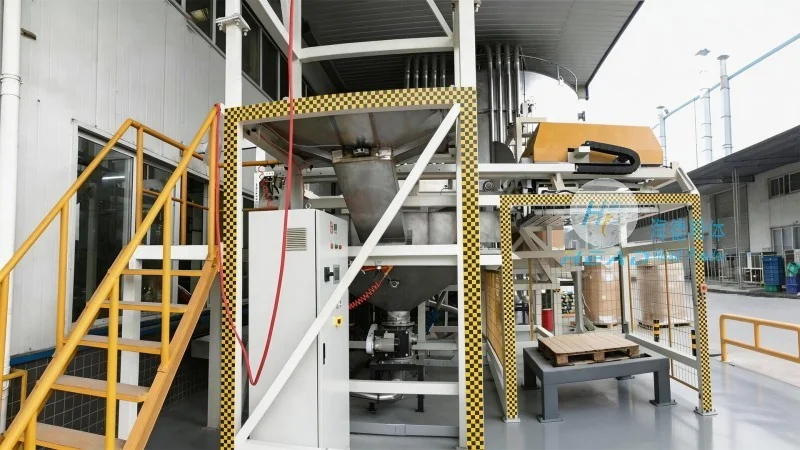
Nanopowder pneumatic conveying systems can be broadly categorized based on the flow characteristics and particle-gas interaction. The primary classifications include:
The versatility of nanopowder pneumatic conveying systems makes them applicable across a wide range of industries. In the pharmaceutical sector, these systems are crucial for transporting active pharmaceutical ingredients (APIs) and excipients, ensuring precise dosing and minimizing contamination risks. The electronics industry relies on them for handling fine powders used in the production of semiconductors and other components, where particle size and purity are critical. Additionally, in the chemical industry, they are used for transporting catalysts, pigments, and other fine chemicals, enabling efficient production processes and reduced downtime.
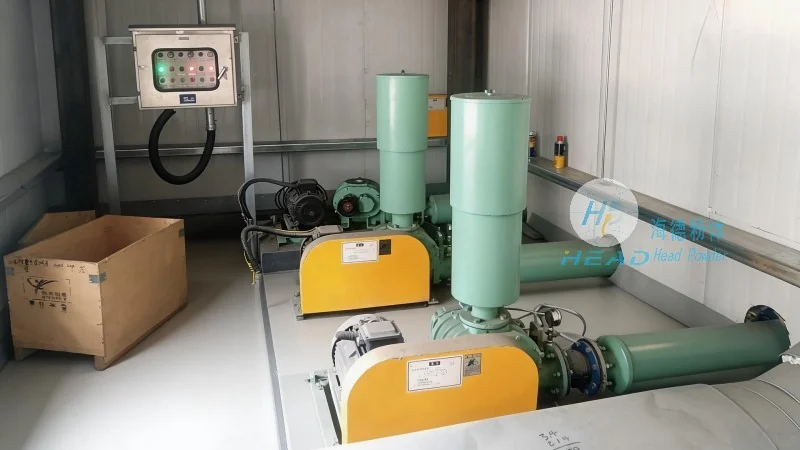
Shandong HeadPowder Engineering Co., Ltd., commonly known as headpowder, is a leading provider of customized nanopowder pneumatic conveying solutions. With a strong focus on innovation and customer-centric design, the company has developed advanced systems tailored to the unique requirements of each application. HeadPowder's engineers leverage extensive experience in material science and fluid dynamics to design systems that optimize performance, energy efficiency, and reliability. The company's headquarters is located in Shandong, China, where it maintains state-of-the-art research and development facilities to continuously improve its products and services.
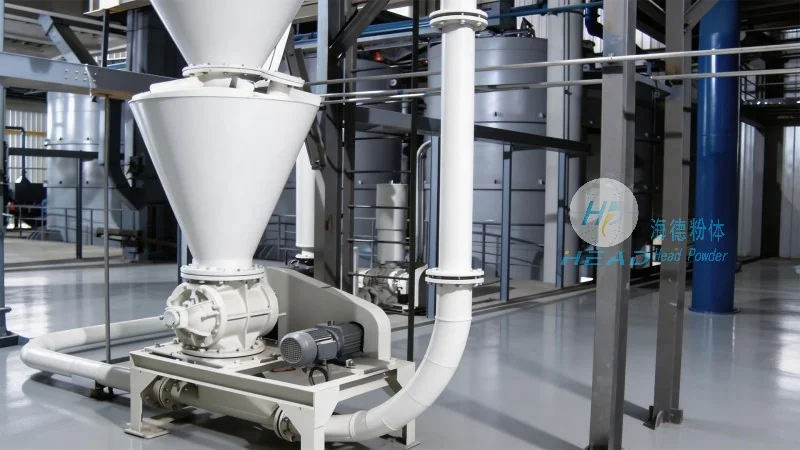
Compared to traditional conveying methods, nanopowder pneumatic conveying systems offer several key advantages. These include:
Nanopowder pneumatic conveying systems represent a sophisticated solution for the efficient and safe handling of fine powders in modern industrial applications. The classification of these systems, ranging from suspension to pressure-based designs, allows for tailored solutions to meet specific operational requirements. With their ability to minimize contamination, enhance safety, and improve process control, these systems are indispensable in industries where material quality and reliability are paramount. As a leading provider in the field, Shandong HeadPowder Engineering Co., Ltd. continues to advance the technology and application of nanopowder pneumatic conveying systems, supporting the growth and efficiency of global industries.

 Shandong Headpowder Engineering Co., Ltd.
 156-6277-7102(Manager Zhang)
  0531-83386006
  Zhangqiu District, Jinan City, Shandong Province, China
telephone
WeChatconsult
top