With more than 10‑year industry experience, Shandong Headpowder delivers full‑service pneumatic‑conveying systems and blowers, undertaking nationwide turn‑key powder‑handling projects.
Pneumatic conveying systems have emerged as a critical technology for efficient and reliable transport of rice bran, a fine powder with distinct handling characteristics. These systems leverage air or gas to move bulk materials through pipelines, offering advantages such as flexibility, low maintenance, and the ability to handle materials in various industrial processes. Understanding the different types of pneumatic conveying systems and their practical applications is essential for optimizing material handling operations and ensuring the quality of rice bran throughout the supply chain.
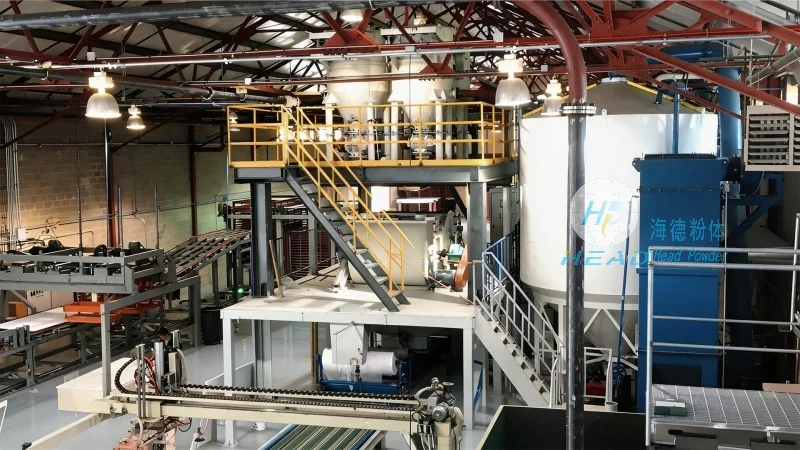
Rice bran, a byproduct of rice milling, is widely used in food, animal feed, and chemical industries. Its fine particle size and potential for dust generation make traditional bulk handling methods less effective. Pneumatic conveying systems address these challenges by using air pressure or vacuum to transport the material, minimizing material degradation and ensuring consistent flow rates. The selection of a suitable system depends on factors like the distance to be covered, the volume of material, and the required flow rate, making it a versatile solution for diverse industrial needs.
Two primary categories of pneumatic conveying systems exist: pressure and vacuum systems. Pressure systems utilize compressed air to push the material through the pipeline, while vacuum systems employ a vacuum to pull the material. Within these categories, several subtypes are commonly used, including positive displacement blowers, rotary lobe blowers, and venturi systems. Each type has unique characteristics that make it suitable for specific applications.
Positive displacement blowers, particularly rotary lobe blowers, are widely adopted for rice bran transport due to their ability to handle high volumes of fine powders. These systems are ideal for long-distance transport, often exceeding 500 meters, and can maintain consistent pressure and flow rates. The blower's design ensures minimal pressure drop, preserving the quality of rice bran and reducing the risk of material degradation. This makes them suitable for applications requiring continuous and reliable material supply, such as in large-scale food processing plants.
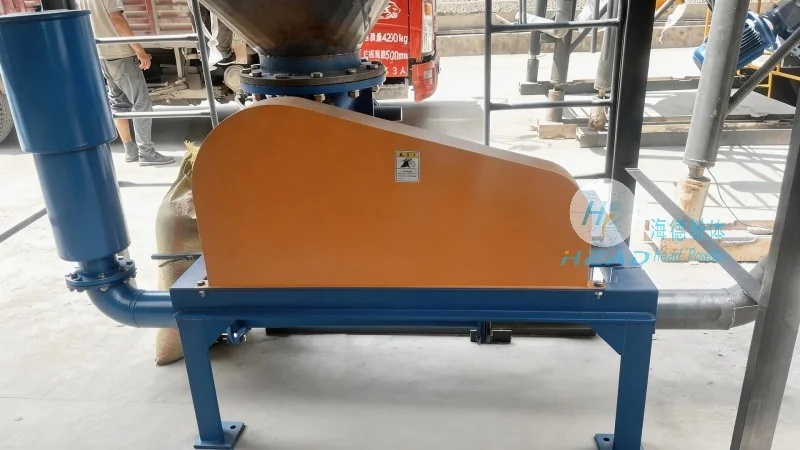
Vacuum conveying systems are another effective option for rice bran transport, especially when the material needs to be collected from multiple points or over shorter distances. These systems use a vacuum to draw the material into the pipeline, making them efficient for applications involving scattered material sources or limited transport distances. While generally less energy-intensive than pressure systems, vacuum systems may have limitations on maximum flow rate and distance, making them more suitable for low to medium volume requirements.
Venturi systems represent a cost-effective solution for transporting rice bran, particularly for shorter distances or low-volume applications. These systems utilize a venturi tube to accelerate air, which then entrains the material and carries it through the pipeline. The simplicity of venturi systems, with fewer moving parts, reduces maintenance costs and complexity. However, their efficiency is lower compared to other systems, and they are typically limited to distances under 100 meters and flow rates below 5 tons per hour.
The practical applications of pneumatic conveying systems for rice bran span multiple sectors. In the food processing industry, these systems are integral to moving rice bran from storage silos to production lines, ensuring a seamless supply of raw material for products like rice bran oil or animal feed. In the chemical industry, rice bran may be used as an ingredient in biofuel production or other chemical processes, and pneumatic conveying facilitates the transfer between processing stages. Additionally, in agricultural settings, rice bran is often used as animal feed, and the systems help in transporting it from storage to feeding stations, improving operational efficiency.
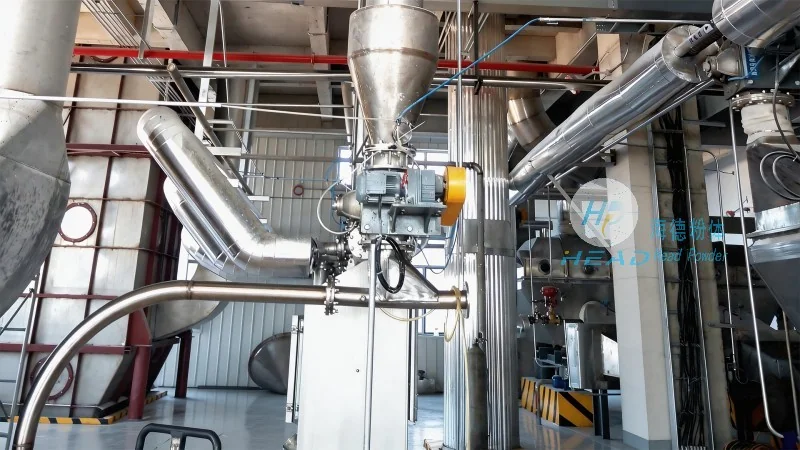
Shandong HeadPowder Engineering Co., Ltd., a leading provider of bulk material handling solutions, recently implemented a positive displacement blower system for a major food processing plant. The plant required a reliable system to transport rice bran from storage silos to the production line, aiming to reduce downtime and material loss. By selecting a rotary lobe blower system with proper pipeline sizing and air filtration, the plant achieved a consistent flow rate of 12 tons per hour over a distance of 600 meters. The system's design ensured that the rice bran was conveyed without degradation, maintaining its quality for further processing. This case study demonstrates the effectiveness of pneumatic conveying systems in real-world applications and highlights the importance of tailored system design to meet specific operational needs.
When selecting a pneumatic conveying system for rice bran transport, several factors must be considered to ensure optimal performance. The first is the material's properties, including particle size, moisture content, and dust generation potential. These characteristics influence the choice of system type and components. Second, the distance and volume requirements dictate whether a pressure or vacuum system is more suitable. Long distances and high volumes favor pressure systems, while shorter distances and multiple collection points may require vacuum systems. Third, energy efficiency and maintenance costs are critical factors, as they impact the overall operational expenses. Consulting with experts, such as Shandong HeadPowder Engineering Co., Ltd., can help in evaluating these factors and designing a system that maximizes efficiency and reliability.
In conclusion, pneumatic conveying systems offer a robust and efficient solution for rice bran transport, addressing the unique challenges posed by this fine powder. The choice of system depends on the specific application requirements, including distance, volume, and operational constraints. Positive displacement blowers are ideal for long-distance, high-volume transport, while vacuum and venturi systems serve shorter distances or low-volume needs. As industrial demands evolve, advancements in system technology, such as improved air filtration and energy-efficient blowers, will continue to enhance the performance of pneumatic conveying systems. For businesses seeking to optimize rice bran handling, partnering with experienced providers like Shandong HeadPowder Engineering Co., Ltd., ensures access to tailored solutions that meet both current and future operational needs.

 Shandong Headpowder Engineering Co., Ltd.
 156-6277-7102(Manager Zhang)
  0531-83386006
  Zhangqiu District, Jinan City, Shandong Province, China
telephone
WeChatconsult
top