With more than 10‑year industry experience, Shandong Headpowder delivers full‑service pneumatic‑conveying systems and blowers, undertaking nationwide turn‑key powder‑handling projects.
Flour pneumatic conveying systems are critical equipment in the flour milling industry, engineered to efficiently transport flour and other fine powders between locations. These systems utilize air flow principles to move materials, offering benefits such as dust control, reduced product contamination, and operational flexibility. This article provides an overview of the key components, structural design, and operational principles of flour pneumatic conveying systems, emphasizing their importance in modern flour processing facilities.
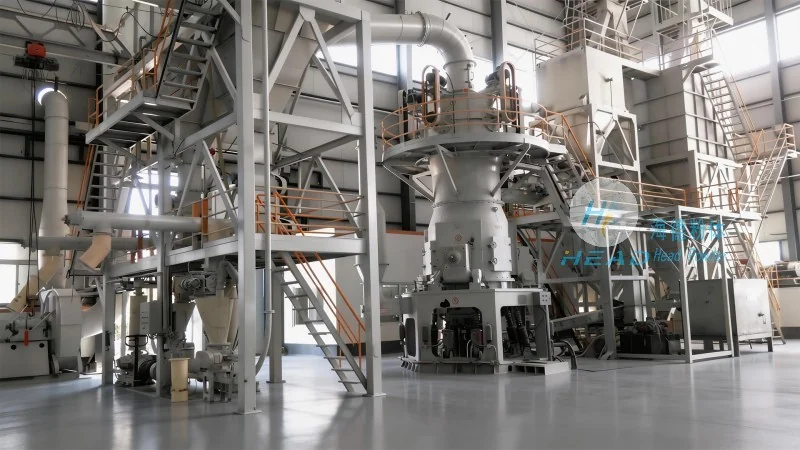
The core components of a flour pneumatic conveying system typically include a hopper for material storage, a conveyor line (either positive or negative pressure), a filter system to capture dust and particles, and a discharge outlet for the material. The hopper is equipped with a feeder that controls the flow of flour into the system, ensuring a consistent feed rate. The conveyor line, which can operate under positive or negative pressure, is the system's heart, using air to transport the flour. Positive pressure systems blow air into the line, pushing the flour forward, while negative pressure systems create a vacuum that pulls the flour through the line. The filter system is vital for maintaining air quality and preventing dust emissions, often incorporating bag filters or cartridge filters that capture fine particles. The discharge outlet allows the flour to be released into the next stage of processing or storage.
The structural design of flour pneumatic conveying systems is tailored to handle flour's unique properties, such as its fine particle size and dust propensity. The design ensures minimal product degradation and efficient transport. The hopper is usually made of stainless steel or other corrosion-resistant materials to prevent contamination and ensure durability. The conveyor line is constructed from abrasion- and corrosion-resistant materials like stainless steel or high-quality plastic to withstand constant flour flow. The filter system is designed to handle high air volumes and capture even smallest particles, maintaining compliance with environmental regulations. The overall design emphasizes efficiency, reliability, and ease of maintenance, crucial for continuous operation in flour mills.
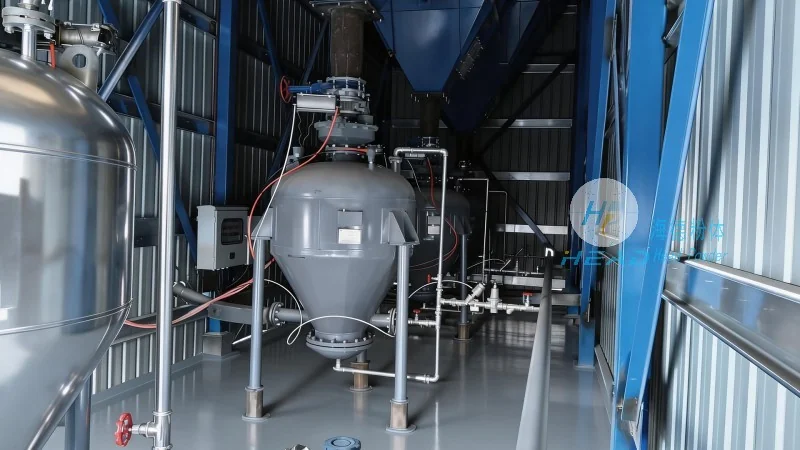
Flour pneumatic conveying systems offer advantages over traditional mechanical methods. These include reduced labor costs from automated operation, improved product quality via better dust control, and enhanced safety by minimizing airborne particle exposure. The systems provide layout flexibility for horizontal, vertical, or combined transport routes, beneficial in large-scale flour facilities where space and operational flow are critical. They can also integrate with other processing equipment like mixers or storage silos, creating a seamless production line. The efficiency of these systems results in lower energy consumption and operational costs, making them a cost-effective solution for flour transportation.
Flour pneumatic conveying systems are used in various flour processing stages, from raw material handling to final product distribution. In initial stages, they transport raw wheat or grains from storage to milling equipment. During milling, they move flour from grinding mills to sifting/classification units. In final stages, they transport finished flour to storage silos or packaging lines. Their versatility suits different flours like wheat, corn, or specialty flours, adapting to varying particle sizes and moisture content.
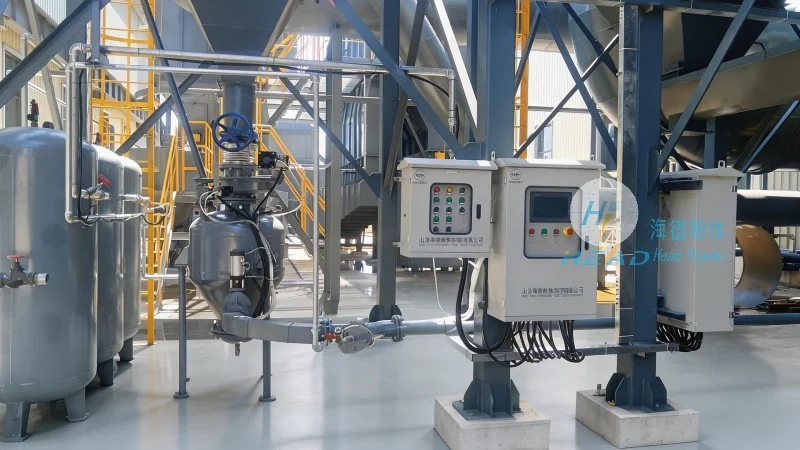
Proper maintenance is essential for system longevity and efficiency. Regular cleaning of the hopper, conveyor line, and filter system prevents clogging and maintains air flow. The filter system should be inspected/replaced as needed to avoid pressure drops. The feeder mechanism must be checked for proper operation to ensure consistent material flow. Operational considerations include monitoring air pressure and flow rates to optimize performance. Proper operator training on system operation and maintenance is crucial to prevent downtime and ensure safety. By following these guidelines, flour mills maximize system lifespan and efficiency.
Shandong HeadPowder Engineering Co., Ltd., operating under the brand name headpowder, is a leading manufacturer of flour processing equipment. With a focus on innovation and quality, the company specializes in designing and manufacturing pneumatic conveying systems tailored to flour industry needs. HeadPowder's expertise lies in understanding flour handling challenges and developing solutions that enhance efficiency and product quality. The company's facilities use advanced technology and skilled personnel, ensuring each product meets high standards. HeadPowder is committed to providing reliable, durable equipment that contributes to clients' success in the flour milling sector. With strong presence in China and growing international market, HeadPowder remains a trusted partner for flour processing facilities worldwide.

 Shandong Headpowder Engineering Co., Ltd.
 156-6277-7102(Manager Zhang)
  0531-83386006
  Zhangqiu District, Jinan City, Shandong Province, China
telephone
WeChatconsult
top