With more than 10‑year industry experience, Shandong Headpowder delivers full‑service pneumatic‑conveying systems and blowers, undertaking nationwide turn‑key powder‑handling projects.
Intermittent pneumatic conveying systems are essential equipment in modern material handling, offering efficient and flexible solutions for transporting bulk materials over short to medium distances. This article provides an overview of the key components, operational principles, and structural design of such systems, highlighting their applications and benefits in industrial settings.
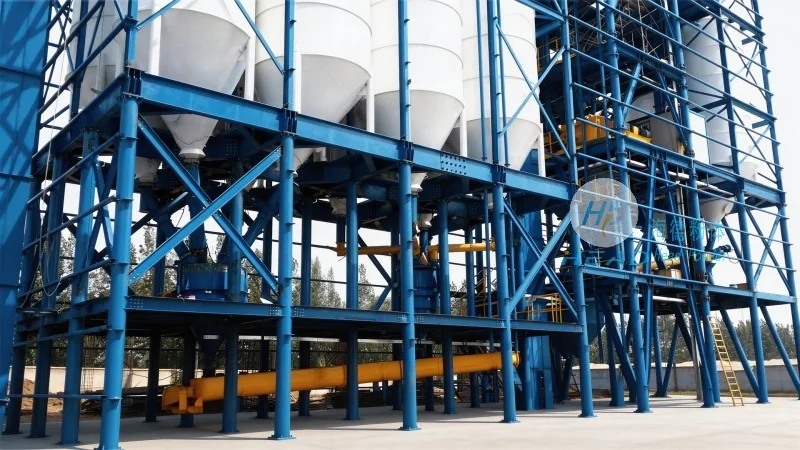
HeadPowder, a leading manufacturer based in Shandong, China, specializes in the design, development, and production of advanced pneumatic conveying equipment. With a strong commitment to quality and innovation, the company has established itself as a trusted partner for industries requiring reliable material handling solutions. HeadPowder's expertise spans various sectors, including food, pharmaceuticals, chemicals, and mining, ensuring tailored solutions that meet stringent industry standards.
Intermittent pneumatic conveying systems operate by using compressed air to transport bulk materials through a pipeline. Unlike continuous systems, which maintain a constant flow of air and material, intermittent systems use periodic bursts of air to move material in discrete batches. This approach allows for precise control over the conveying process, making it ideal for handling sensitive or abrasive materials that require gentle handling.
The structure of an intermittent pneumatic conveying system typically includes several key components, each playing a critical role in the overall operation. These components are designed to work in harmony to ensure efficient material transport and system reliability.
The air supply unit is responsible for generating and regulating the compressed air needed for conveying. It usually consists of an air compressor, a filter, and a pressure regulator. The compressor provides the necessary pressure, while the filter removes contaminants to protect downstream components. The pressure regulator ensures a stable and consistent air pressure, which is crucial for maintaining the system's performance and preventing damage to equipment.
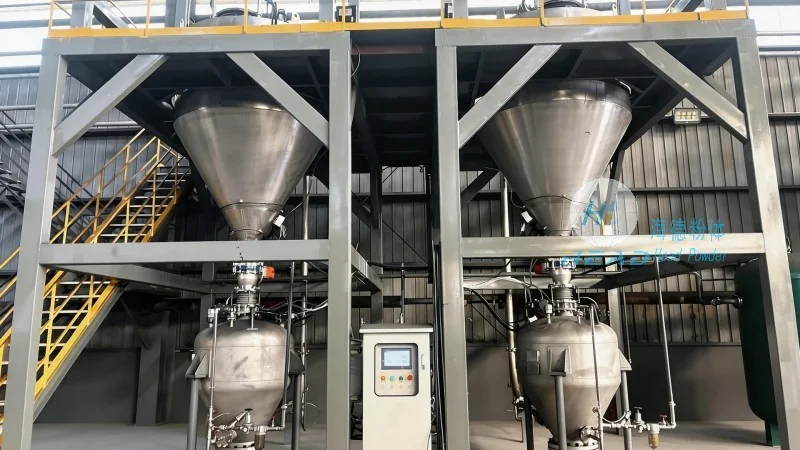
The material hopper serves as the storage container for the bulk material to be conveyed. It is designed with a hopper shape to facilitate material flow and prevent clogging. The feeder, typically a rotary valve or a screw feeder, controls the flow of material from the hopper into the conveying line. The feeder is synchronized with the air supply to ensure that material is introduced into the pipeline at the right time, matching the intermittent air pulses.
The conveying pipeline is the main channel through which the material and air travel. It is usually made of stainless steel or other corrosion-resistant materials to withstand the abrasive nature of the conveyed materials. The pipeline is designed with appropriate bends and elbows to guide the material along the desired path. The diameter and length of the pipeline are carefully selected based on the material characteristics and the required conveying distance.
The solenoid valve is a critical component that controls the flow of air into the pipeline. It is operated by an electric signal from the control system, which synchronizes the opening and closing of the valve with the feeder operation. The control system, often a programmable logic controller (PLC), manages the timing and duration of air pulses, ensuring that material is conveyed in discrete batches without excessive air consumption.
The receiver is the final container where the conveyed material is deposited. It is typically a hopper or a storage bin, designed to collect the material efficiently. The discharge unit, such as a rotary valve or a gate valve, controls the release of material from the receiver. The receiver may also include a dust collection system to capture any airborne particles, improving safety and environmental compliance.
The operation of an intermittent pneumatic conveying system involves a sequence of steps that are repeated for each batch of material. The process begins with the feeder releasing a controlled amount of material into the pipeline. Simultaneously, the solenoid valve opens, allowing compressed air to enter the pipeline. The air pulse creates a pressure differential that lifts the material and propels it forward. As the material moves, the air continues to flow, maintaining the material's suspension and preventing it from settling. When the material reaches the receiver, the solenoid valve closes, and the system prepares for the next batch.
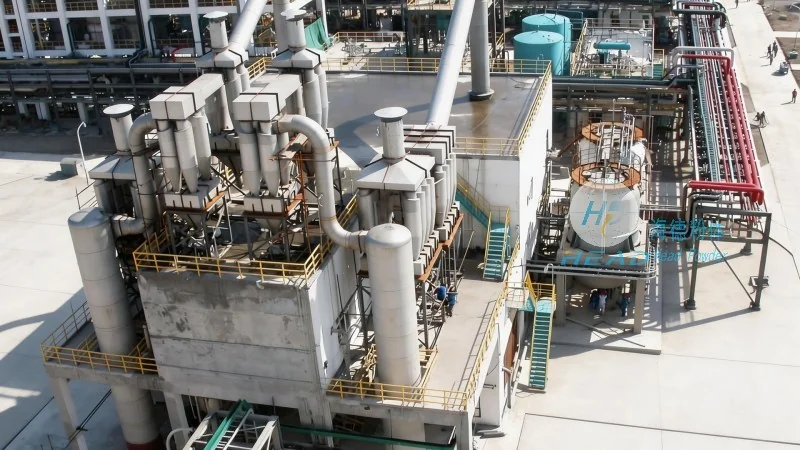
Intermittent pneumatic conveying systems offer several advantages over other material handling methods. These include gentle handling of sensitive materials, which minimizes product degradation and damage. The system is also highly flexible, allowing for changes in material type or conveying distance without major modifications. Additionally, intermittent systems are relatively compact and can be installed in confined spaces, making them suitable for various industrial applications. The ability to control the conveying rate and batch size provides precise material handling, which is essential for quality control and process optimization.
Intermittent pneumatic conveying systems are widely used across various industries due to their versatility and efficiency. In the food and pharmaceutical industries, they are used to transport powders and granules, ensuring hygienic and contamination-free handling. The chemical industry utilizes these systems for conveying abrasive and corrosive materials, while the mining sector employs them for transporting ore and minerals. The manufacturing industry also benefits from these systems for handling raw materials and finished products, improving production efficiency and reducing labor costs.
To ensure the longevity and reliability of an intermittent pneumatic conveying system, regular maintenance is essential. This includes checking the air compressor and filter for proper operation, inspecting the feeder and pipeline for blockages or wear, and verifying the control system's functionality. Proper maintenance not only extends the system's lifespan but also minimizes downtime and operational costs. Additionally, operators should follow the manufacturer's guidelines for material loading and air pressure to prevent system damage and ensure optimal performance.
Intermittent pneumatic conveying systems are a reliable and efficient solution for material handling in various industrial applications. With their precise control, gentle handling, and flexibility, these systems offer significant advantages over traditional methods. HeadPowder, as a leading manufacturer based in Shandong, China, provides high-quality intermittent pneumatic conveying systems that meet the diverse needs of industries worldwide. By understanding the structure and working principles of such systems, users can make informed decisions and optimize their material handling processes for enhanced productivity and cost-effectiveness.

 Shandong Headpowder Engineering Co., Ltd.
 156-6277-7102(Manager Zhang)
  0531-83386006
  Zhangqiu District, Jinan City, Shandong Province, China
telephone
WeChatconsult
top