With more than 10‑year industry experience, Shandong Headpowder delivers full‑service pneumatic‑conveying systems and blowers, undertaking nationwide turn‑key powder‑handling projects.
Granular fertilizer pneumatic conveying equipment is a specialized system designed to transport bulk granular materials, such as fertilizer, from one location to another using air as the conveying medium. This technology offers a highly efficient and reliable method for handling bulk materials in agricultural and industrial applications. Developed by Shandong HeadPowder Engineering Co., Ltd., a leading manufacturer based in China, this equipment is engineered to ensure minimal material degradation, low maintenance costs, and high operational efficiency, making it a preferred choice for modern fertilizer handling operations.
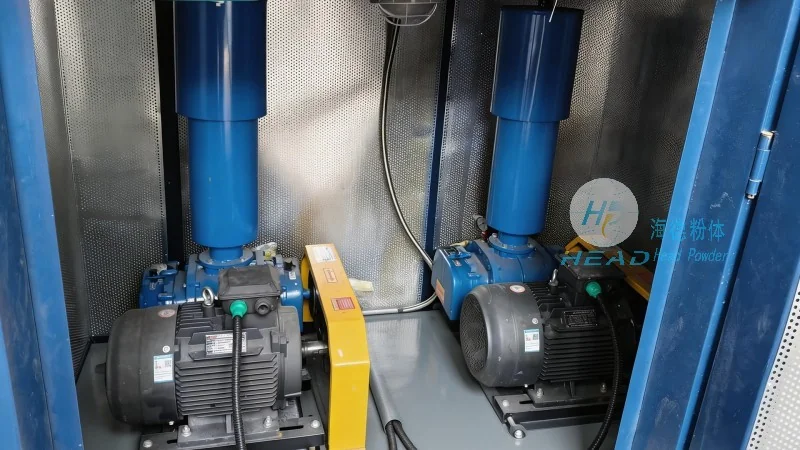
The granular fertilizer pneumatic conveying system typically consists of several core components that work in tandem to facilitate material transport. The main components include a hopper for material storage, a rotary valve or feeder to control the flow of granular fertilizer, a pipeline system for air and material transport, a blower or air compressor to generate the necessary air pressure, and a receiver or discharge hopper at the destination. Each component is designed to handle the specific demands of fertilizer transport, ensuring smooth and continuous operation. The hopper is usually made of durable materials like stainless steel or reinforced plastic to prevent material contamination and corrosion. The rotary valve or feeder is crucial for regulating the flow rate, preventing blockages, and maintaining consistent material feed. The pipeline system is constructed from corrosion-resistant materials, often stainless steel or high-quality plastic, to withstand the abrasive nature of granular fertilizers. The blower or air compressor provides the necessary air pressure to move the material through the pipeline, with adjustable speed controls to optimize energy consumption and material flow. The receiver at the end of the pipeline collects the conveyed fertilizer, often equipped with a discharge valve or conveyor for further processing or storage.
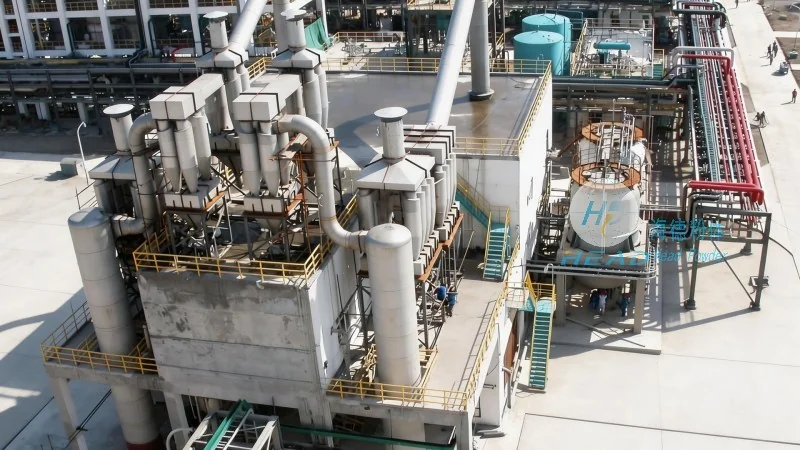
The operation of granular fertilizer pneumatic conveying equipment follows a systematic process that ensures efficient material transport. The process begins with the loading of granular fertilizer into the storage hopper. The rotary valve or feeder then regulates the flow of fertilizer into the pipeline, where it is mixed with the air stream generated by the blower. The air pressure created by the blower propels the fertilizer particles through the pipeline, maintaining a consistent flow rate. The mixture of air and fertilizer travels through the pipeline to the receiving hopper at the destination. The air is then separated from the fertilizer in the receiver, often using a cyclone separator or other air filtration system. The separated air is discharged back into the environment or recirculated, while the fertilizer is collected in the receiver. This process allows for the continuous and unobstructed transport of bulk granular fertilizer, minimizing downtime and maximizing throughput. The system can be configured for both positive and negative pressure conveying, depending on the application requirements. Positive pressure systems use the blower to push the material through the pipeline, while negative pressure systems use a vacuum to draw the material from the source. The choice of system depends on factors such as the distance to be covered, the material characteristics, and the operational environment.
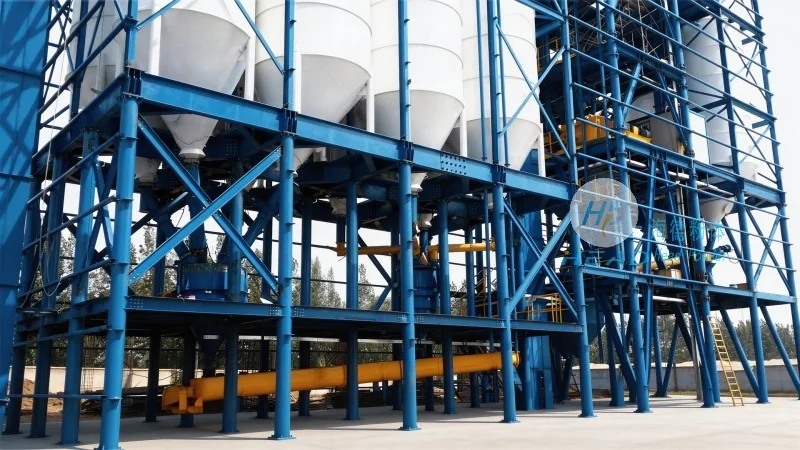
Granular fertilizer pneumatic conveying equipment offers several significant advantages over traditional material handling methods. One of the primary benefits is the ability to transport materials over long distances without the need for intermediate storage or transfer points. This reduces the risk of material contamination and loss, ensuring that the fertilizer remains in optimal condition throughout the transport process. The system also minimizes labor costs by automating the material handling process, reducing the need for manual loading and unloading. Additionally, the equipment is designed to handle a wide range of granular fertilizer types, including nitrogen, phosphorus, and potassium fertilizers, as well as blended or custom formulations. The low maintenance requirements and energy efficiency of the system contribute to long-term cost savings, making it a cost-effective solution for fertilizer handling operations. The equipment also provides better control over material flow, allowing for precise regulation of the discharge rate, which is crucial for maintaining consistent product quality and preventing overloading of downstream equipment. Furthermore, the system is compact and can be integrated into existing production lines, making it a flexible solution for various industrial applications.
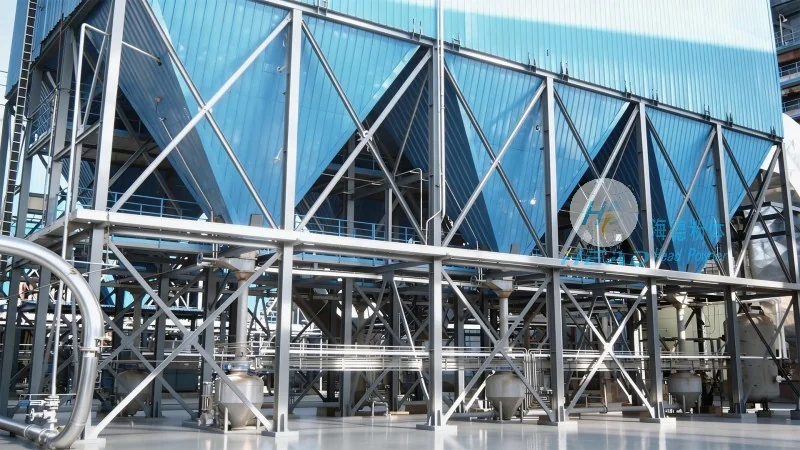
Granular fertilizer pneumatic conveying equipment is widely used in various industries that require the efficient handling of bulk granular materials. The primary application is in the agricultural sector, where it is used to transport fertilizer from storage facilities to farms or processing plants. The equipment is also utilized in industrial settings, such as fertilizer manufacturing plants, where it is used to transport raw materials or finished products between different stages of production. Other industries that benefit from this technology include chemical processing, food processing, and mining, where bulk material handling is a critical part of the production process. The equipment is particularly suitable for applications where material contamination, dust control, and high throughput are essential. For example, in fertilizer production, the system can be used to transport raw materials from storage silos to the mixing and granulation units, ensuring a continuous and clean process. In agricultural settings, the equipment can be used to deliver fertilizer to fields or storage silos, reducing the need for manual handling and improving operational efficiency. The versatility of the granular fertilizer pneumatic conveying system makes it a valuable asset for any industry that relies on bulk material transport.

 Shandong Headpowder Engineering Co., Ltd.
 156-6277-7102(Manager Zhang)
  0531-83386006
  Zhangqiu District, Jinan City, Shandong Province, China
telephone
WeChatconsult
top