With more than 10‑year industry experience, Shandong Headpowder delivers full‑service pneumatic‑conveying systems and blowers, undertaking nationwide turn‑key powder‑handling projects.
For industrial applications requiring efficient material handling, polyurethane pneumatic conveying systems offer a reliable solution. These systems are designed to transport bulk materials through an enclosed pipeline using air or other gases as the conveying medium. The use of polyurethane components in such systems provides enhanced durability and resistance to abrasion, making them suitable for a wide range of industries including food processing, pharmaceuticals, and chemical manufacturing.
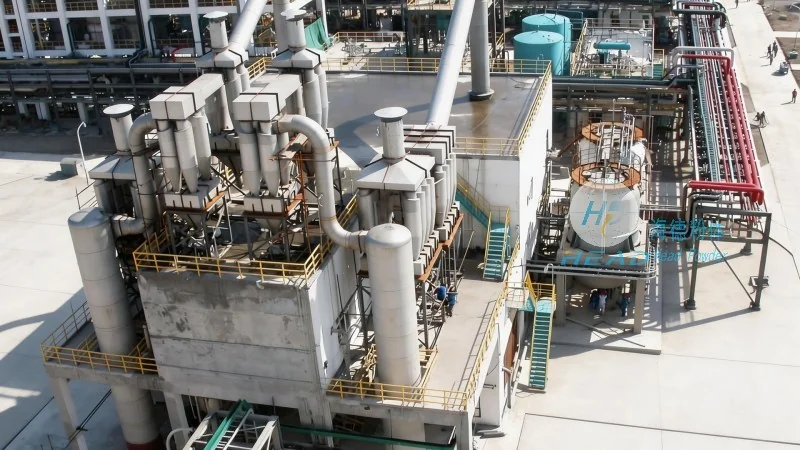
Polyurethane pneumatic conveying systems typically consist of several key components that work in concert to facilitate material transport. The primary components include a hopper for material storage, a feeder to control the flow of material into the system, a conveying line (often made of polyurethane or other durable materials), and a receiver for the discharged material. Additionally, a blower or compressor provides the necessary air pressure to move the material through the pipeline. The polyurethane materials used in these components are chosen for their high wear resistance and chemical compatibility, ensuring long-term performance in demanding environments.
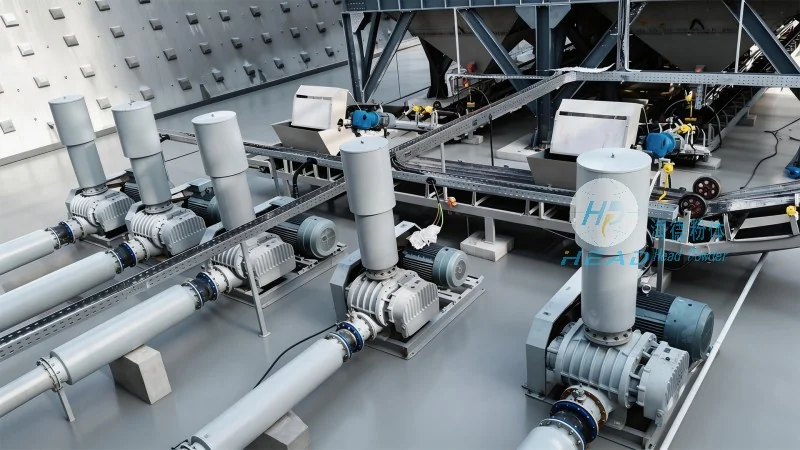
The operation of a polyurethane pneumatic conveying system relies on the principle of air movement to transport particulate materials. When the blower generates airflow, it creates a pressure differential within the conveying line. The material is introduced into the system, either by gravity from a hopper or by a mechanical feeder, and is then entrained by the air stream. The polyurethane components, such as hoses, elbows, and fittings, ensure smooth material flow and minimize blockages or wear from abrasive particles. The system can operate in both positive and negative pressure modes, allowing flexibility in material handling applications.
HeadPowder, the professional manufacturer behind these advanced polyurethane pneumatic conveying systems, is based in Shandong, China. With a focus on engineering excellence and customer-centric solutions, the company specializes in designing and manufacturing high-quality material handling equipment. The company's commitment to using durable polyurethane materials ensures that their systems meet the rigorous demands of various industrial sectors, providing reliable and efficient material transport solutions.
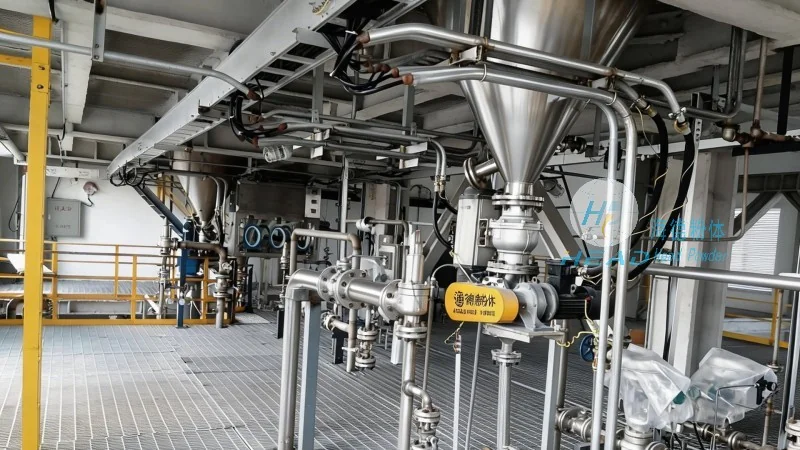
Compared to traditional metal or plastic conveying systems, polyurethane pneumatic conveying systems offer several advantages. The polyurethane material is highly resistant to abrasion, which reduces maintenance costs and extends the lifespan of the components. Additionally, polyurethane is lightweight and flexible, allowing for easier installation and adaptation to different layouts. The systems are also hygienic and easy to clean, making them suitable for industries with strict sanitary requirements, such as food and pharmaceuticals. Overall, these systems provide a cost-effective and efficient solution for bulk material handling.

 Shandong Headpowder Engineering Co., Ltd.
 156-6277-7102(Manager Zhang)
  0531-83386006
  Zhangqiu District, Jinan City, Shandong Province, China
telephone
WeChatconsult
top