With more than 10‑year industry experience, Shandong Headpowder delivers full‑service pneumatic‑conveying systems and blowers, undertaking nationwide turn‑key powder‑handling projects.
Caustic soda, also known as sodium hydroxide (NaOH), is a widely used chemical in various industrial processes. The efficient handling of caustic soda powder, especially in bulk quantities, requires specialized equipment to ensure safety, reliability, and optimal performance. The pneumatic conveying machine for caustic soda powder is a critical piece of industrial equipment designed to transport this corrosive material through a pipeline system using air pressure or vacuum. This article explores the operation process and working principle of such a machine, highlighting its key components, operational steps, and practical applications.
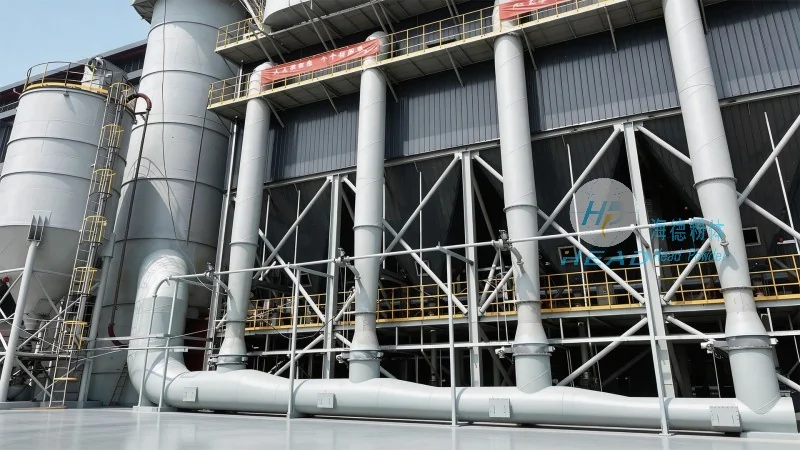
The caustic soda powder pneumatic conveying machine consists of several essential components, each playing a vital role in the overall system. These components include the hopper, feeder, air compressor or vacuum pump, pipeline system, and discharge unit. The hopper is designed to store the caustic soda powder and maintain a consistent feed rate. The feeder, often a rotary valve or screw feeder, controls the flow of powder from the hopper into the conveying line. The air compressor or vacuum pump provides the necessary pressure or suction to move the powder particles through the pipeline. The pipeline system, typically made of corrosion-resistant materials like stainless steel or polyethylene, ensures the safe and efficient transport of the material. Finally, the discharge unit, such as a rotary valve or a venturi system, releases the powder at the destination point.
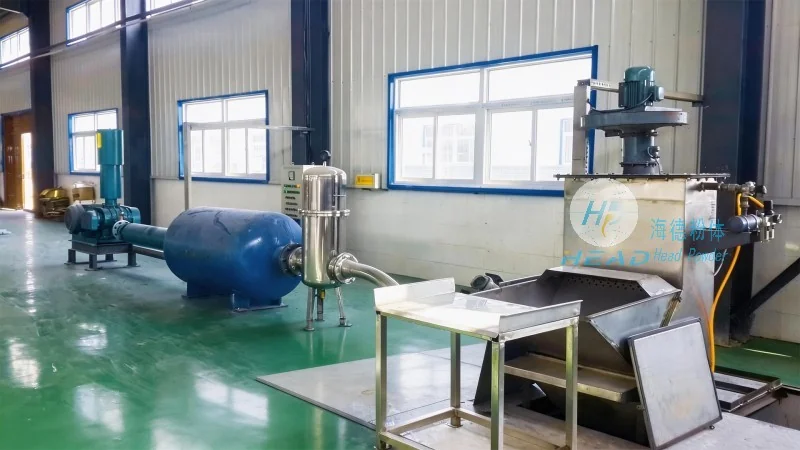
The working principle of the caustic soda powder pneumatic conveying machine is based on the principle of fluidization and pneumatic transport. In a typical operation, the powder is fed from the hopper into the conveying line. The air compressor or vacuum pump generates a flow of air that creates a low-pressure or high-pressure environment within the pipeline. This airflow lifts and suspends the powder particles, allowing them to be transported through the pipeline. The velocity of the air and the size of the powder particles determine the efficiency of the conveying process. The system can operate in either pressure or vacuum mode, depending on the application requirements. In pressure mode, the air compressor pushes air and powder through the pipeline, while in vacuum mode, a vacuum pump pulls the material from the source to the destination.
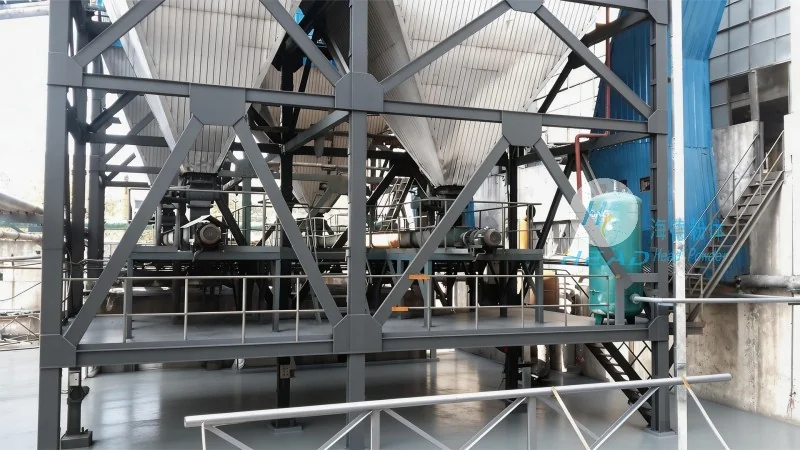
The operation process of the caustic soda powder pneumatic conveying machine involves several sequential steps to ensure smooth and safe transport. First, the caustic soda powder is loaded into the hopper. The hopper is equipped with a level indicator to monitor the material level and prevent overfilling. Next, the feeder is activated to control the flow rate of the powder into the conveying line. The air compressor or vacuum pump is then started, generating the required air flow. The powder is then drawn into the pipeline and transported to the discharge point. At the destination, the discharge unit regulates the release of the powder, ensuring a controlled and uniform flow. The system continuously monitors pressure, flow rate, and temperature to maintain optimal performance and prevent any operational issues. Regular checks and adjustments are performed to ensure the system operates within safe parameters.
Maintenance and safety are critical aspects of operating a caustic soda powder pneumatic conveying machine. Regular maintenance includes cleaning the hopper and pipeline to prevent material buildup and corrosion. The air compressor or vacuum pump should be checked for proper operation and lubrication. The feeder and discharge unit should be inspected for wear and tear, and replaced as needed. Safety considerations include the use of corrosion-resistant materials to prevent chemical reactions with the caustic soda. Proper ventilation is essential to prevent the accumulation of dust and fumes. Personal protective equipment (PPE) such as gloves, goggles, and respirators should be worn by operators to minimize exposure to the material. The system should be equipped with emergency shut-off valves and pressure relief devices to prevent overpressure and other hazards.
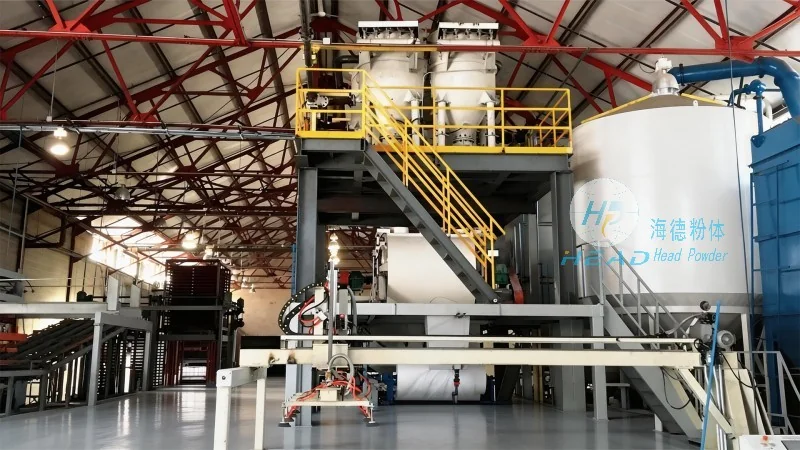
The caustic soda powder pneumatic conveying machine is widely used in various industries, including chemical manufacturing, food processing, and water treatment. It is particularly suitable for applications where the material needs to be transported over long distances or to multiple destinations. The benefits of using this system include increased efficiency, reduced labor costs, and improved safety compared to manual handling. The system can handle large quantities of caustic soda powder, reducing the need for manual loading and unloading. Additionally, the pneumatic conveying system minimizes the risk of dust exposure and contamination, ensuring a cleaner and safer working environment. The system is also flexible and can be customized to meet specific application requirements, such as varying flow rates or material types.

 Shandong Headpowder Engineering Co., Ltd.
 156-6277-7102(Manager Zhang)
  0531-83386006
  Zhangqiu District, Jinan City, Shandong Province, China
telephone
WeChatconsult
top