With more than 10‑year industry experience, Shandong Headpowder delivers full‑service pneumatic‑conveying systems and blowers, undertaking nationwide turn‑key powder‑handling projects.
Shandong HeadPowder Engineering Co., Ltd., commonly known as headpowder, specializes in the design and implementation of advanced material handling solutions. This article provides an in-depth look at the operation process and working principle of a lithium hydroxide powder pneumatic conveying system, highlighting the key components, operational procedures, and technical aspects that ensure efficient and reliable material transport.
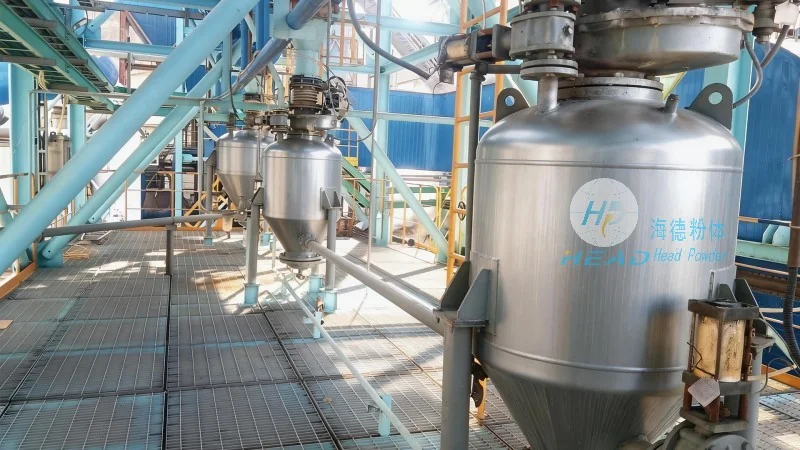
The lithium hydroxide powder pneumatic conveying system consists of several critical components that work in tandem to achieve effective material transport. These include the hopper for material storage, a rotary valve or feeder to control the flow rate, a conveying pipeline, a blower or compressor to generate the necessary air pressure, and a receiver or collection unit for the discharged material. Each component plays a vital role in maintaining the system's performance and ensuring the safe handling of lithium hydroxide powder, which is known for its hygroscopic properties and potential reactivity under certain conditions.
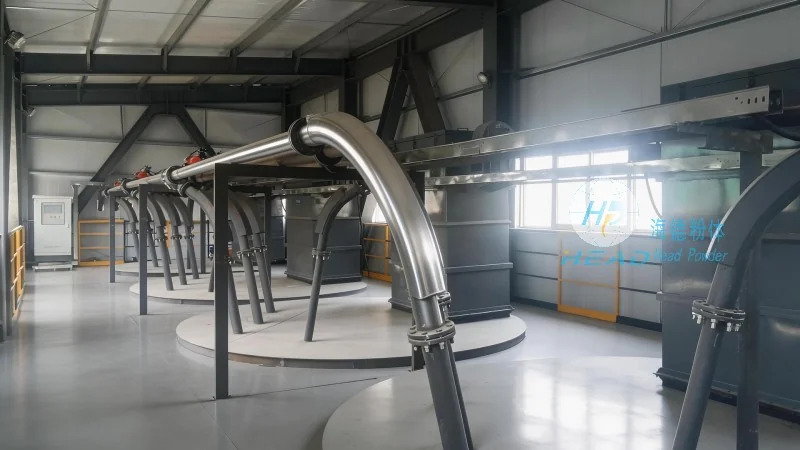
The core of the pneumatic conveying system is the air flow that propels the lithium hydroxide powder particles through the pipeline. The process typically begins with the material being fed from the hopper into the conveying line via a controlled feeder. As the air is introduced by the blower, it creates a low-pressure zone that draws the powder particles into the pipeline. The powder is then suspended in the air stream and transported to the destination point. The velocity of the air and the particle size distribution are crucial factors that determine the system's efficiency. Proper air velocity ensures that the powder remains suspended without causing excessive wear on the pipeline or components, while maintaining sufficient pressure to overcome any resistance in the system.
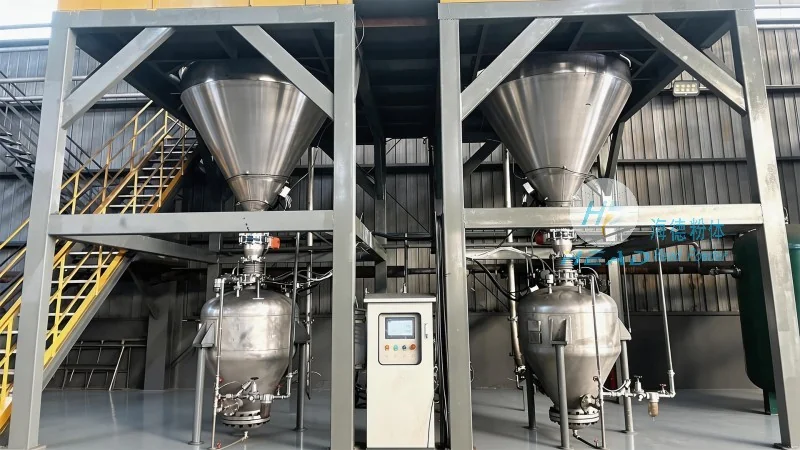
The operation of the lithium hydroxide powder pneumatic conveying system follows a systematic sequence to ensure smooth and continuous material transport. Initially, the hopper is filled with lithium hydroxide powder, and the system is prepared for operation by checking the air pressure and ensuring all valves are in the correct position. The feeder is then activated to control the flow rate of the powder into the conveying line. The blower starts, generating the required air flow that pulls the powder particles into the pipeline. As the material travels through the pipeline, it is transported to the receiver, where it is collected. The system continues to operate until the hopper is emptied or the required amount of material has been transferred. During operation, operators monitor key parameters such as air pressure, flow rate, and material level to ensure the system is functioning optimally and to detect any potential issues that may arise, such as blockages or changes in material flow.
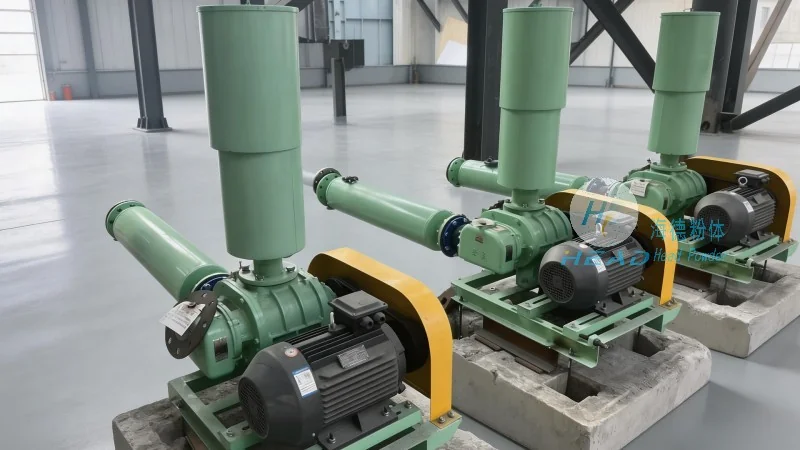
Efficiency and reliability are paramount in the operation of a lithium hydroxide powder pneumatic conveying system. Proper maintenance of the components, such as regular cleaning of the hopper and pipeline to prevent powder buildup, and timely replacement of worn parts like rotary valves and blower components, are essential to maintain system performance. Additionally, the system's design must account for the hygroscopic nature of lithium hydroxide, which can lead to caking or clumping if exposed to moisture. Therefore, measures such as using dry air and maintaining low humidity levels in the system are critical to prevent material degradation and ensure consistent conveying performance. By adhering to these operational and maintenance practices, the system can achieve high throughput rates while minimizing downtime and ensuring the safe handling of lithium hydroxide powder.

 Shandong Headpowder Engineering Co., Ltd.
 156-6277-7102(Manager Zhang)
  0531-83386006
  Zhangqiu District, Jinan City, Shandong Province, China
telephone
WeChatconsult
top