With more than 10‑year industry experience, Shandong Headpowder delivers full‑service pneumatic‑conveying systems and blowers, undertaking nationwide turn‑key powder‑handling projects.
Clay material conveying system equipment is a specialized industrial solution designed to handle the transportation of clay materials efficiently and reliably. This equipment is crucial in various industries such as ceramics, construction, and mining, where the consistent and safe movement of clay is essential for production processes. The system combines advanced engineering principles with robust construction to ensure optimal performance under demanding operational conditions. Developed by Shandong HeadPowder Engineering Co., Ltd., a leading manufacturer in the field, this system is engineered to meet the highest standards of quality and efficiency.
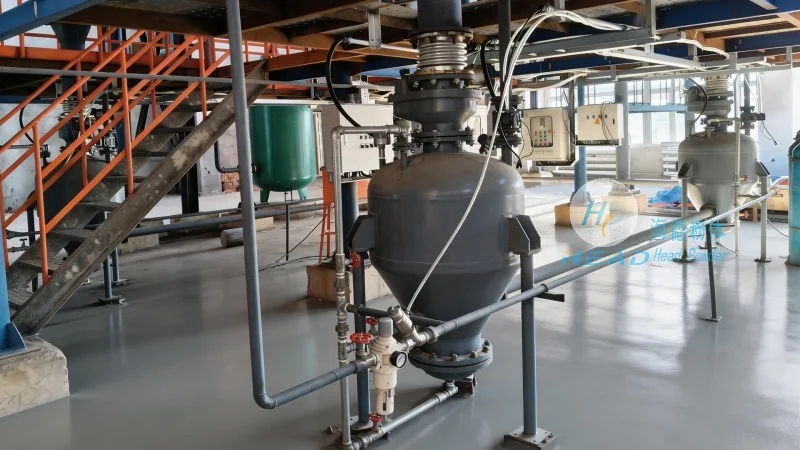
The clay material conveying system is a comprehensive industrial setup that integrates multiple components to facilitate the seamless transfer of clay from the source to the destination. The system typically includes a feed hopper, a conveyor mechanism (either belt or screw), a control panel, and material handling accessories. Each component is meticulously designed to work in harmony, ensuring that the entire process is smooth and efficient. The system is engineered to handle different types of clay, including raw clay, processed clay, and clay with additives, adapting to various production requirements. The robust construction and advanced materials used in the system ensure durability and long-term performance, even in harsh operational environments.
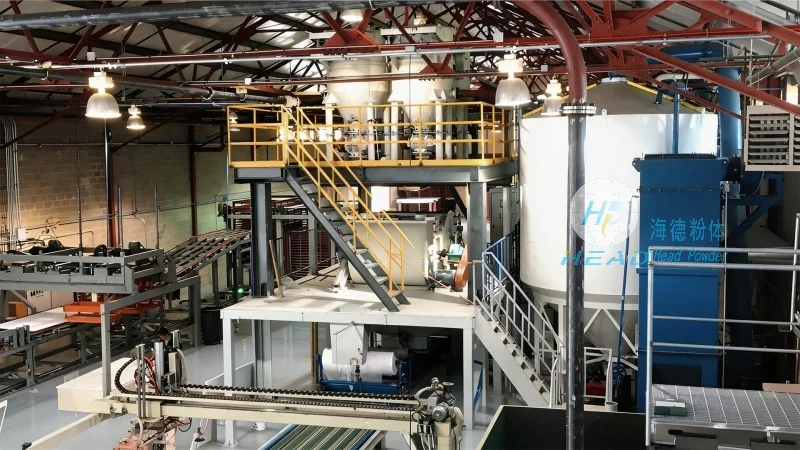
The operation of the clay material conveying system begins with the loading of clay into the feed hopper. The hopper is equipped with a feeding mechanism, such as a vibrating feeder or a screw feeder, which regulates the flow of clay into the conveyor system. As the clay enters the conveyor, it is transported through the system using either a belt conveyor or a screw conveyor, depending on the specific application. The conveyor system is driven by an electric motor, which provides the necessary power to move the clay along the designated path. The speed of the conveyor can be adjusted to control the flow rate, ensuring that the clay is transported at an optimal rate without causing blockages or excessive wear on the equipment. The system is designed with safety features, such as emergency stop buttons and overload protection, to prevent accidents and equipment damage during operation.
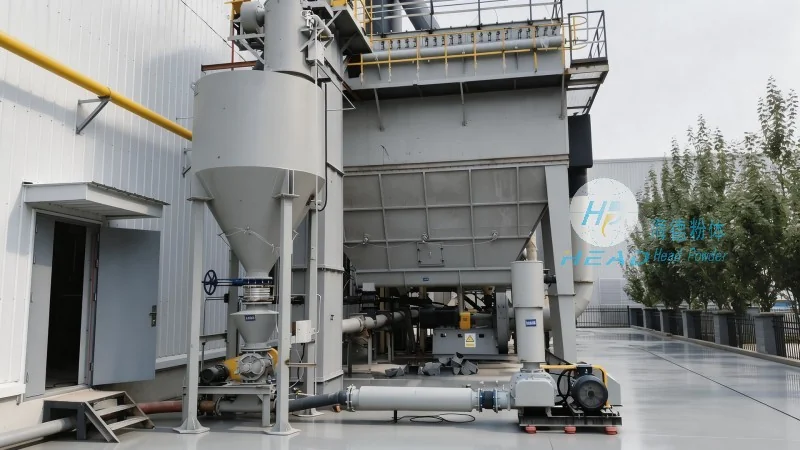
The working principle of the clay material conveying system is based on mechanical energy transfer and material handling technology. The system utilizes gravity and mechanical force to move the clay from the source to the destination. In a belt conveyor system, the clay is placed on the moving belt, and the belt's motion carries the clay forward. The screw conveyor system, on the other hand, uses a rotating screw to push the clay through the conveyor. Both systems rely on the friction between the clay particles and the conveyor surface to ensure effective movement. The control panel plays a critical role in monitoring and controlling the system's operation, allowing operators to adjust parameters such as speed, pressure, and temperature as needed. Sensors are often integrated into the system to detect any abnormalities, such as blockages or overloads, and to trigger appropriate safety measures. The system's design ensures minimal material loss and contamination, maintaining the quality of the clay throughout the transportation process.
The clay material conveying system consists of several key components, each with a specific function to ensure the system operates efficiently. The feed hopper is responsible for storing and feeding the clay into the system. It is designed to handle large volumes of clay and to regulate the flow rate, preventing overloading or underfeeding. The conveyor belt or screw is the primary component that transports the clay. The control panel manages the system's operation, including speed control, motor operation, and safety features. The motor provides the power to drive the conveyor, and the drive system ensures smooth and consistent movement. The material handling accessories, such as clamps or chutes, are used to direct the clay into the conveyor and to prevent spillage. Each component is made from high-quality materials, such as stainless steel or corrosion-resistant alloys, to withstand the harsh conditions of clay handling and to extend the system's lifespan. The modular design of the components allows for easy maintenance and replacement, reducing downtime and operational costs.
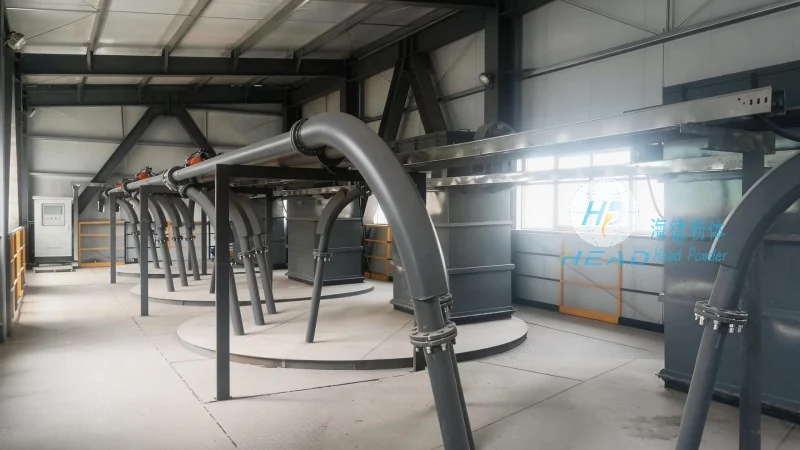
The clay material conveying system offers several advantages over traditional manual or semi-automated methods. First, it provides a high level of efficiency and consistency in clay transportation, reducing the risk of material loss or contamination. The system can handle large volumes of clay at a consistent rate, improving production throughput and reducing labor costs. Second, the system is equipped with advanced safety features, such as overload protection and emergency stop buttons, to ensure the safety of operators and equipment. This reduces the risk of accidents and equipment damage, minimizing downtime and repair costs. Third, the system is energy-efficient, with adjustable speed controls that optimize energy consumption based on the load. This reduces operational costs and environmental impact. Fourth, the system is easy to maintain and repair, with modular components that can be replaced quickly. The use of high-quality materials and robust construction ensures long-term reliability and minimal maintenance requirements. Finally, the system's adaptability allows it to be customized to meet specific production requirements, making it suitable for a wide range of applications.

 Shandong Headpowder Engineering Co., Ltd.
 156-6277-7102(Manager Zhang)
  0531-83386006
  Zhangqiu District, Jinan City, Shandong Province, China
telephone
WeChatconsult
top