With more than 10‑year industry experience, Shandong Headpowder delivers full‑service pneumatic‑conveying systems and blowers, undertaking nationwide turn‑key powder‑handling projects.
Compound fertilizer material handling equipment plays a crucial role in the modern fertilizer production industry, ensuring efficient and reliable transportation of bulk materials from one processing stage to another. This equipment is designed to handle the specific characteristics of compound fertilizers, such as their granular or powdery form, varying moisture content, and potential abrasiveness. By integrating advanced engineering solutions, these systems enhance productivity while maintaining product quality and safety standards.
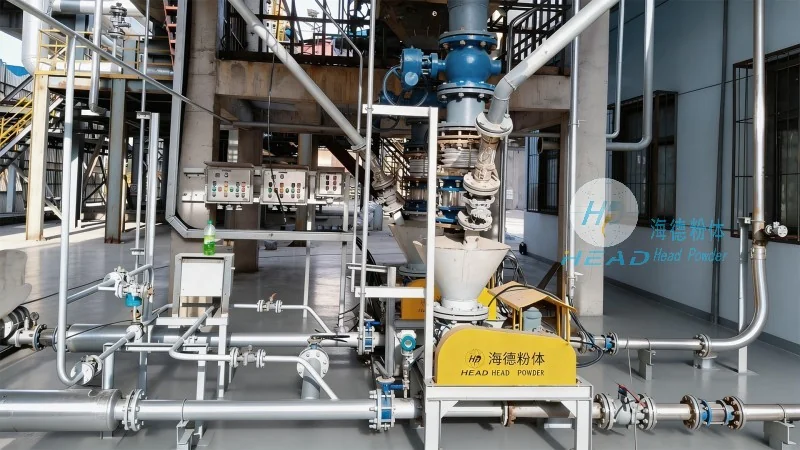
The compound fertilizer material handling equipment typically consists of several interconnected components, including feeders, conveyors, storage silos, and control systems. Each component is carefully engineered to work in harmony, optimizing the flow of material through the production line. The system is designed to accommodate high-volume operations, with the ability to handle large quantities of fertilizer while minimizing downtime and maintenance requirements. This comprehensive setup ensures that the entire material handling process is streamlined and efficient.
1. Feeders: These are the initial components that receive raw materials from storage silos or external sources. Feeders are responsible for accurately measuring and controlling the flow rate of the material, ensuring consistent feed to the subsequent conveying equipment. Different types of feeders, such as screw feeders or vibratory feeders, are used depending on the material's properties and the required feeding rate. The feeder's design minimizes material degradation and ensures a uniform feed to the conveyor system.
2. Conveyors: Conveyors are the core of the material handling system, responsible for transporting the fertilizer from the feeder to the storage or processing areas. Various types of conveyors are employed, including belt conveyors, chain conveyors, and pneumatic conveyors, each suited to different material characteristics and operational needs. Belt conveyors are commonly used for bulk material transport due to their high capacity and low maintenance. Chain conveyors are ideal for handling heavier or more abrasive materials, providing reliable and durable transport. Pneumatic conveyors, on the other hand, use air pressure to move the material, offering flexibility in layout and the ability to transport materials over longer distances.
3. Storage Silos: Storage silos are used to temporarily hold the fertilizer before it is processed or packaged. These silos are typically made of steel or concrete and are designed to withstand the pressure and weight of the stored material. The silos are equipped with level sensors and discharge mechanisms to control the flow of material from storage to the processing line. Proper storage helps maintain the quality of the fertilizer by preventing moisture absorption and degradation.
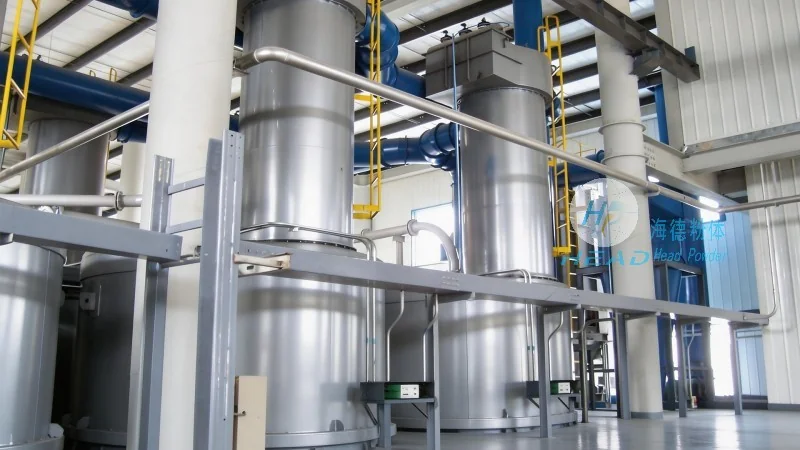
4. Control Systems: Modern compound fertilizer material handling equipment is equipped with advanced control systems that monitor and regulate the entire process. These systems use sensors and automation technology to ensure precise control over feed rates, conveyor speeds, and silo levels. The control system also includes safety features to prevent overfilling, blockages, and other potential hazards. By integrating data from various components, the control system optimizes the operation, reduces energy consumption, and enhances overall efficiency.
The operation of compound fertilizer material handling equipment follows a systematic process, ensuring smooth and continuous material flow. The process typically begins with the raw materials being stored in silos. The feeders then pick up the material and feed it into the conveyor system. The conveyor transports the material to the processing or packaging area. The control system continuously monitors the flow rate and adjusts the feeders and conveyors as needed to maintain a consistent output.
1. Material Storage: Raw materials, such as nitrogen, phosphorus, and potassium compounds, are stored in large silos. The silos are designed to keep the materials dry and free from contamination. The level of material in the silos is monitored by sensors, which provide real-time data to the control system.
2. Feeding and Measurement: The feeder receives the material from the silo and measures the exact amount required for the production batch. The feeder's speed is adjusted based on the production schedule and the desired feed rate. This step ensures that the correct proportion of each raw material is added to the compound fertilizer.
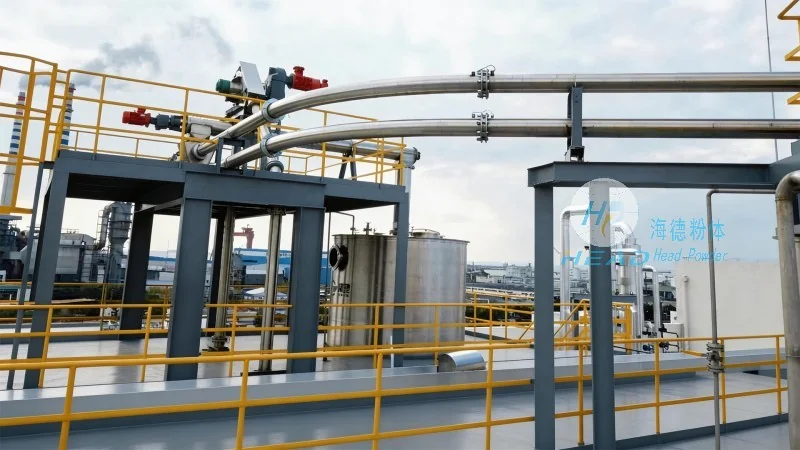
3. Conveying and Transport: The measured material is transported by the conveyor system to the mixing or granulation unit. The conveyor's speed is controlled to maintain a steady flow, preventing blockages and ensuring uniform material distribution. The conveyor may also include features such as incline or decline sections to adjust the material's path as needed.
4. Processing and Packaging: Once the material reaches the processing unit, it is mixed with other ingredients to form the final compound fertilizer. The processed material is then packaged into bags or bulk containers for distribution. The control system ensures that the processing and packaging stages are synchronized with the material flow, minimizing delays and maximizing throughput.
The working principle of compound fertilizer material handling equipment is based on the principles of material flow and mechanical transport. The system operates by using mechanical forces to move the material from one point to another, while maintaining the integrity and quality of the fertilizer. The key principles include gravity, friction, and pressure, which are utilized by the various components to achieve efficient material handling.
1. Gravity and Inclination: In many conveyor systems, the material is moved by gravity through inclined sections. The angle of inclination is carefully calculated to ensure that the material flows smoothly without excessive speed or spillage. This method is energy-efficient and requires minimal maintenance.
2. Friction and Belt Movement: Belt conveyors use friction between the belt and the material to move the fertilizer. The belt is driven by a motor, and the material is carried along the belt's surface. The speed of the belt is controlled to maintain a consistent flow rate. This method is suitable for transporting large quantities of material over short to medium distances.
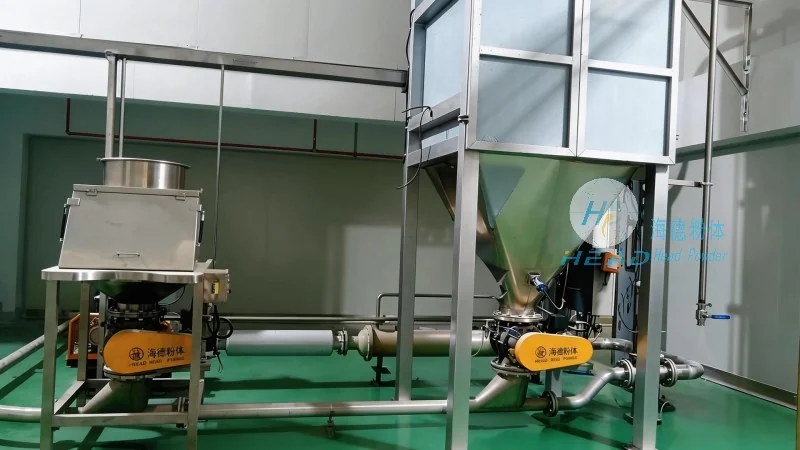
3. Pneumatic Pressure: Pneumatic conveyors use compressed air to create a pressure differential that moves the material through a pipeline. The material is suspended in the air stream and transported to the destination. This method is ideal for transporting fine powders or granules over longer distances and can handle multiple delivery points.
4. Automation and Control: The entire system is controlled by a central control unit that monitors all components and adjusts their operation in real-time. Sensors provide data on material levels, flow rates, and system performance, allowing the control system to make adjustments as needed. This automation ensures that the system operates efficiently and safely, minimizing human intervention and reducing the risk of errors.
The use of compound fertilizer material handling equipment offers several benefits to fertilizer manufacturers. These include increased productivity, reduced labor costs, improved product quality, and enhanced safety. The equipment is designed to handle high volumes of material, allowing manufacturers to meet growing market demands. The automated control systems reduce the need for manual intervention, minimizing human error and improving consistency. Additionally, the equipment helps maintain the quality of the fertilizer by preventing contamination and degradation during transport. The robust design of the components ensures long-term reliability and low maintenance costs, making it a cost-effective solution for fertilizer production.
Compound fertilizer material handling equipment is a critical component of modern fertilizer production, enabling efficient and reliable transportation of bulk materials. The system's design, incorporating advanced components and automation, ensures high productivity, product quality, and operational safety. By understanding the operation process and working principles of this equipment, manufacturers can optimize their production lines and meet the increasing demands of the agricultural industry. The integration of such equipment by companies like Shandong HeadPowder Engineering Co., Ltd. has significantly improved the efficiency and competitiveness of fertilizer production, contributing to the global supply of high-quality fertilizers.

 Shandong Headpowder Engineering Co., Ltd.
 156-6277-7102(Manager Zhang)
  0531-83386006
  Zhangqiu District, Jinan City, Shandong Province, China
telephone
WeChatconsult
top