With more than 10‑year industry experience, Shandong Headpowder delivers full‑service pneumatic‑conveying systems and blowers, undertaking nationwide turn‑key powder‑handling projects.
Understanding the operation process and working principle of sodium chloride material handling equipment is crucial for optimizing material flow in various industrial applications. This equipment is designed to efficiently transport sodium chloride, a vital chemical compound used in numerous sectors such as food processing, pharmaceuticals, and chemical manufacturing. The equipment's design and functionality directly impact productivity, safety, and cost-effectiveness in material handling operations.
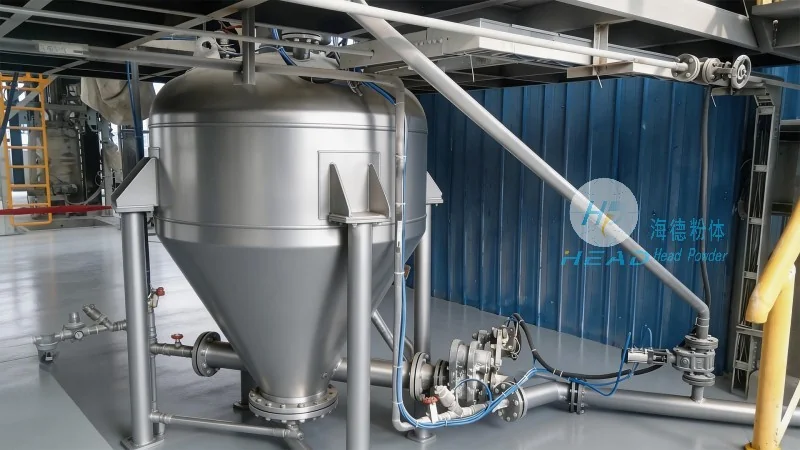
HeadPowder, a leading manufacturer based in Shandong, China, specializes in providing high-quality material handling solutions tailored to the needs of sodium chloride processing industries. With a strong commitment to innovation and customer satisfaction, HeadPowder Engineering Co., Ltd. has established itself as a trusted partner for businesses seeking reliable and efficient equipment for sodium chloride transportation. The company's headquarters are located in Shandong, China, where it leverages advanced manufacturing technologies and a skilled workforce to produce top-tier material handling equipment.
The operational process of sodium chloride material handling equipment typically involves several key steps. Initially, the sodium chloride material is loaded into the equipment's hopper or storage tank. The equipment then uses mechanical components, such as conveyor belts, screw conveyors, or pneumatic systems, to transport the material to its destination. During the process, the equipment ensures uniform material flow, preventing blockages or uneven distribution. The system may also include control mechanisms to regulate speed, pressure, or flow rate, ensuring precise delivery of sodium chloride to processing units or storage areas. For instance, in food processing plants, the equipment may be integrated with automated systems to synchronize with production schedules, maintaining consistent supply of sodium chloride to production lines.
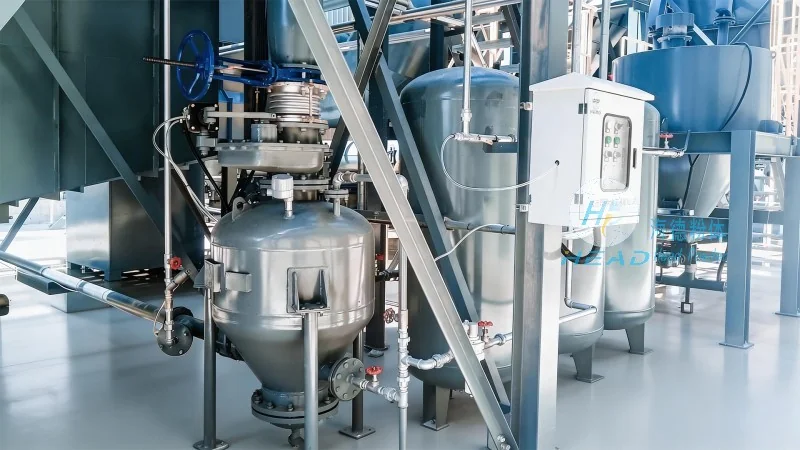
The working principle of sodium chloride material handling equipment relies on mechanical or pneumatic forces to move the material. For example, screw conveyors utilize rotating screws to push the material forward, while belt conveyors use motor-driven belts to transport the material along a fixed path. Pneumatic systems, on the other hand, use compressed air to create a flow of material through pipes or ducts. Each system is engineered to handle the specific characteristics of sodium chloride, such as its granular or crystalline form, ensuring efficient and safe transportation. The equipment is designed with materials that are resistant to corrosion and wear, as sodium chloride can be abrasive and corrosive to certain metals. Advanced engineering techniques, such as heat treatment and surface coating, enhance the equipment's durability and longevity, reducing the need for frequent replacements and maintenance.
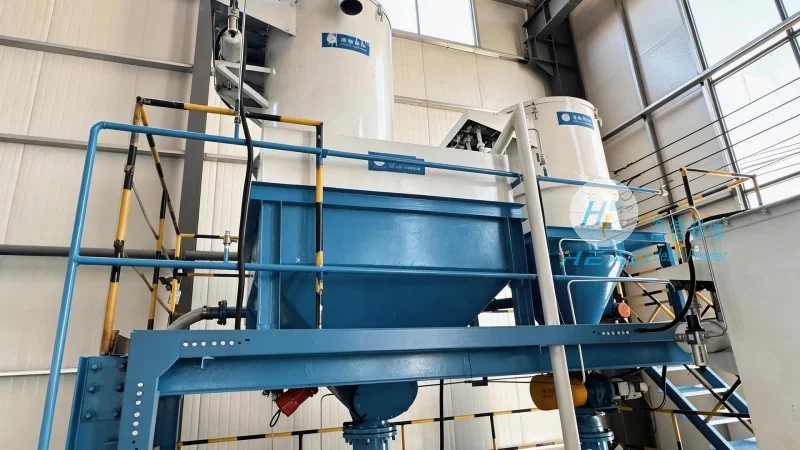
Key features of sodium chloride material handling equipment include durability, efficiency, and adaptability. The equipment is constructed from high-quality materials, such as stainless steel or corrosion-resistant alloys, to withstand the harsh conditions of sodium chloride handling. Advanced control systems allow for precise regulation of material flow, minimizing waste and optimizing production. Additionally, the equipment is designed for easy maintenance and cleaning, reducing downtime and operational costs. These features make the equipment suitable for continuous operation in demanding industrial environments. The equipment also offers energy efficiency, with optimized motor and drive systems reducing power consumption while maintaining high performance. This contributes to lower operational costs and environmental sustainability for businesses.
Sodium chloride material handling equipment is widely used in various industries, including food processing, where it is used as a salt additive; pharmaceuticals, where it is used in the production of medications; and chemical manufacturing, where it serves as a raw material for other chemical products. The equipment is also utilized in water treatment facilities, where sodium chloride is used for desalination processes. In each of these applications, the equipment ensures reliable and efficient transportation of sodium chloride, supporting the smooth operation of production lines and enhancing overall productivity. For example, in pharmaceutical manufacturing, the equipment helps maintain the purity and consistency of sodium chloride, which is critical for producing high-quality medications. In chemical plants, the equipment facilitates the integration of sodium chloride into production processes, improving overall workflow and reducing bottlenecks. The adaptability of the equipment allows it to be customized for specific application requirements, ensuring optimal performance in diverse industrial settings.

 Shandong Headpowder Engineering Co., Ltd.
 156-6277-7102(Manager Zhang)
  0531-83386006
  Zhangqiu District, Jinan City, Shandong Province, China
telephone
WeChatconsult
top