With more than 10‑year industry experience, Shandong Headpowder delivers full‑service pneumatic‑conveying systems and blowers, undertaking nationwide turn‑key powder‑handling projects.
Heavy calcium material conveying equipment is a critical component in industrial processing, particularly in the production of heavy calcium carbonate. This equipment is designed to efficiently transport bulk heavy calcium materials from one location to another within a manufacturing facility. The operation of such equipment involves several key steps and principles that ensure smooth and reliable material handling. Understanding these processes is essential for optimizing production efficiency and maintaining the quality of the final product.
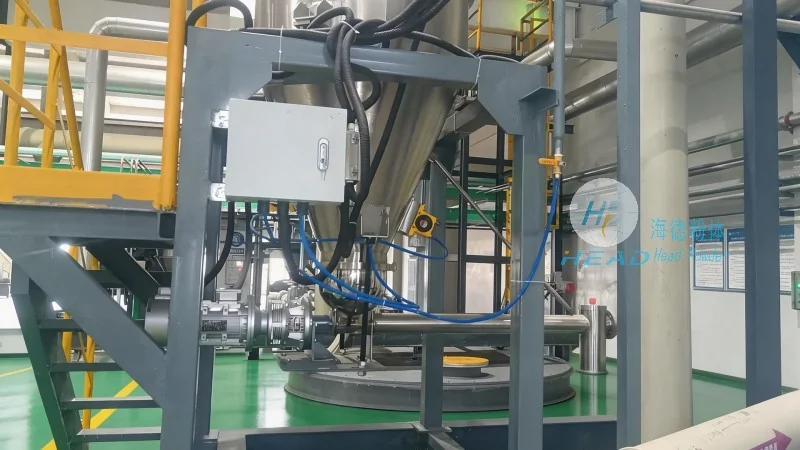
The heavy calcium material conveying system typically consists of several interconnected components. These include feed hoppers, conveyor belts or screws, drive mechanisms, and control systems. The feed hopper is responsible for storing and feeding the heavy calcium material into the conveyor. The conveyor itself, which can be a belt conveyor or a screw conveyor depending on the application, transports the material through the system. The drive mechanism provides the necessary power to move the material along the conveyor path. Finally, the control system monitors and regulates the operation of the entire system to ensure consistent performance.
The operation process of heavy calcium material conveying equipment begins with the loading of the material into the feed hopper. The material is then discharged from the hopper into the conveyor. The conveyor transports the material to the desired destination, such as a storage silo or a processing unit. During this process, the material is moved in a continuous or intermittent manner, depending on the type of conveyor used. The speed and direction of the material flow are controlled by the drive mechanism and the control system. This ensures that the material is conveyed at the optimal rate to meet production requirements.
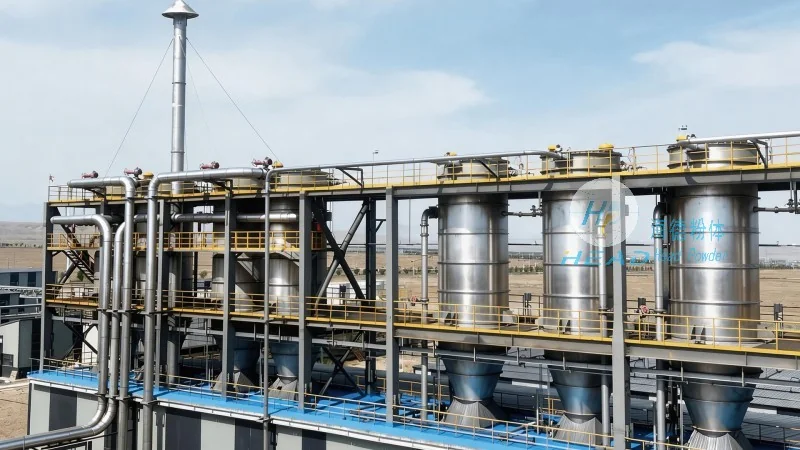
The working principle of heavy calcium material conveying equipment is based on the principles of mechanical transport. The primary function is to move bulk materials from a source to a destination using mechanical means. The equipment utilizes gravity, friction, and mechanical force to achieve this. For example, in a belt conveyor system, the material is placed on the moving belt and is carried along by the belt's motion. In a screw conveyor system, the material is pushed along by the rotating screw. The control system ensures that the conveyor operates at the correct speed and under the right conditions to prevent material degradation or equipment damage.
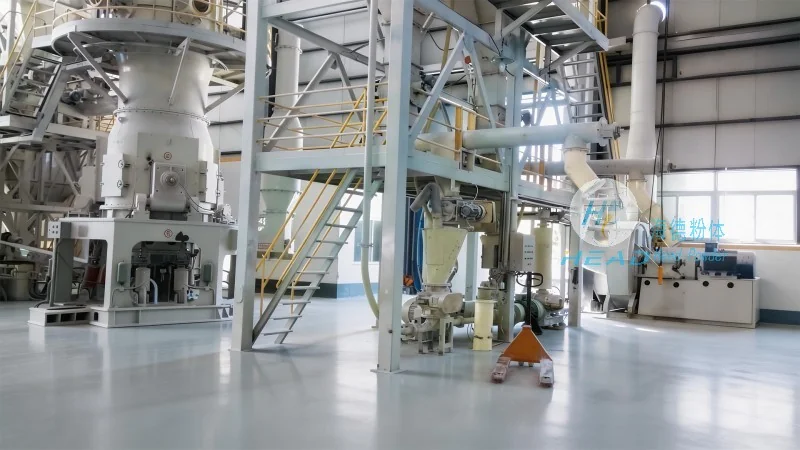
Heavy calcium material conveying equipment is widely used in various industries, including chemical, food, and pharmaceutical manufacturing. The primary benefits of using such equipment include improved material handling efficiency, reduced labor costs, and enhanced safety. The equipment allows for the continuous and automated transport of heavy calcium materials, which reduces the risk of human error and improves overall production throughput. Additionally, the equipment can be customized to meet specific production requirements, such as handling different particle sizes or material types.
Heavy calcium material conveying equipment is a vital tool for modern industrial production. By understanding its operation process and working principles, manufacturers can optimize their production processes and improve the quality of their products. Shandong HeadPowder Engineering Co., Ltd., a leading provider of heavy calcium processing equipment, specializes in designing and manufacturing high-quality conveying systems tailored to the needs of various industries. With a focus on efficiency, reliability, and safety, HeadPowder offers solutions that enhance the performance of heavy calcium material handling operations. The company is committed to providing innovative and effective equipment that meets the evolving demands of the industrial sector.

 Shandong Headpowder Engineering Co., Ltd.
 156-6277-7102(Manager Zhang)
  0531-83386006
  Zhangqiu District, Jinan City, Shandong Province, China
telephone
WeChatconsult
top