With more than 10‑year industry experience, Shandong Headpowder delivers full‑service pneumatic‑conveying systems and blowers, undertaking nationwide turn‑key powder‑handling projects.
Shandong HeadPowder Engineering Co., Ltd., a professional manufacturer based in Shandong, China, specializes in the design, production, and supply of coke powder material handling equipment. The company's products are widely used in various industrial sectors, including steel production, chemical processing, and power generation, where efficient and reliable material transport is crucial for operational efficiency and safety.
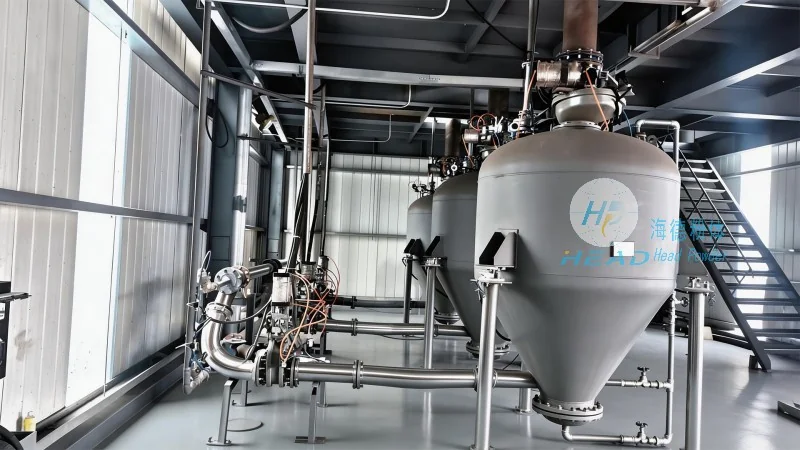
Coke powder material handling equipment is a specialized system engineered to transport coke powder, a key raw material in the production of steel and other industrial applications. These systems are designed to handle the unique properties of coke powder, such as its fine particle size, low bulk density, and potential for dust generation. The equipment typically includes components like feeders, conveyors, and storage silos, all integrated to ensure smooth and continuous material flow from the source to the destination.
The operation of coke powder material handling equipment relies on several critical components, each playing a vital role in the overall process. The feeders, often equipped with adjustable speed controls, are responsible for accurately metering the coke powder from the storage silo or hopper. This ensures a consistent flow rate, which is essential for maintaining the efficiency of downstream equipment. The conveyors, which may include screw conveyors, belt conveyors, or pneumatic systems, transport the coke powder from the feeder to the processing unit or storage location. The storage silos, designed with a conical bottom and a discharge valve, provide a stable and controlled environment for storing the coke powder, preventing caking and ensuring easy access for feeding.
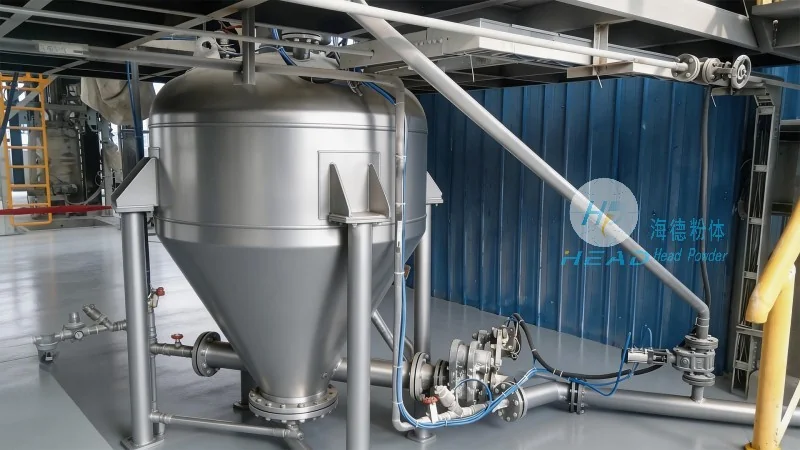
The operation process of coke powder material handling equipment begins with the loading of coke powder into the storage silo. The silo is typically filled through a top-mounted hopper, which allows for easy replenishment from bulk storage trucks or silos. Once the silo is filled, the discharge valve is opened, and the feeder starts to meter the coke powder at a controlled rate. The feeder's output is then directed to the conveyor system, which transports the material to the processing unit or the next stage of the production line. The conveyor system may include multiple sections, with adjustable speed drives to accommodate varying load conditions and ensure smooth material flow. The entire process is monitored by a control system that adjusts the feeder speed and conveyor speed based on real-time feedback from sensors, such as load cells and pressure transducers, to maintain optimal performance.
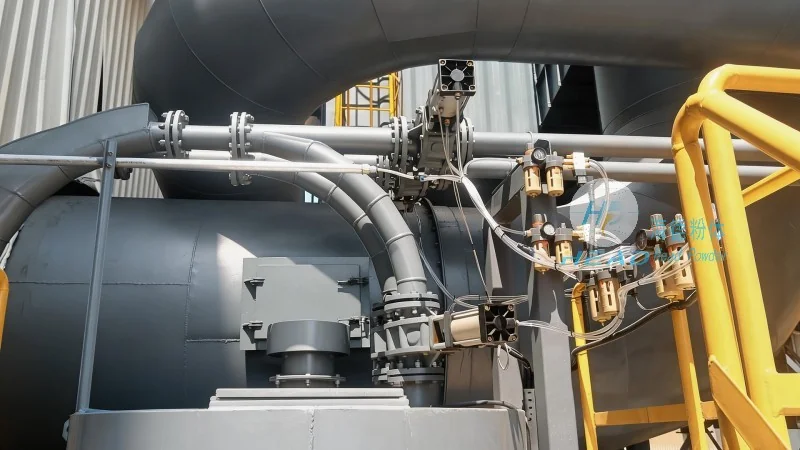
The working principle of coke powder material handling equipment is based on the principles of mechanical and pneumatic transport, tailored to the specific characteristics of coke powder. The mechanical transport system, which includes feeders and conveyors, relies on the physical movement of the material through a closed or semi-closed system. The feeder, often a rotary valve or a screw feeder, uses mechanical force to move the coke powder from the storage silo to the conveyor. The conveyor, which may be a screw conveyor or a belt conveyor, transports the material through a series of rollers or a continuous belt, maintaining a consistent flow rate. The pneumatic transport system, an alternative or supplementary method, uses compressed air to create a flow of air and coke powder particles through a pipeline. This method is particularly effective for long-distance transport or when the material needs to be transported through vertical or horizontal sections with minimal pressure drop. The control system integrates both mechanical and pneumatic components, using sensors to monitor the pressure, flow rate, and temperature of the system, ensuring that the equipment operates within safe and efficient parameters.
Shandong HeadPowder Engineering Co., Ltd.'s coke powder material handling equipment offers several technical advantages that make it suitable for a wide range of industrial applications. The equipment is designed with high efficiency and low energy consumption in mind, reducing operational costs for the end-user. The use of advanced materials and construction techniques ensures durability and long service life, minimizing maintenance requirements and downtime. The equipment is also equipped with safety features, such as dust suppression systems and explosion-proof designs, to protect personnel and equipment from the hazards associated with coke powder handling. These features make the equipment suitable for use in environments where dust and fire risks are present. The equipment is widely used in steel mills, where coke powder is a critical raw material for the blast furnace process. It is also used in chemical plants for the transport of coke powder used in the production of chemicals, and in power generation facilities for the supply of coke powder to boilers. The versatility of the equipment allows it to be customized to meet the specific requirements of different industrial applications, ensuring optimal performance and reliability.

 Shandong Headpowder Engineering Co., Ltd.
 156-6277-7102(Manager Zhang)
  0531-83386006
  Zhangqiu District, Jinan City, Shandong Province, China
telephone
WeChatconsult
top