With more than 10‑year industry experience, Shandong Headpowder delivers full‑service pneumatic‑conveying systems and blowers, undertaking nationwide turn‑key powder‑handling projects.
Quantitative weighing material conveying equipment is a specialized industrial device designed to accurately measure and transport bulk materials. This equipment is widely used in various industries such as chemical, food, and pharmaceutical manufacturing, where precise material handling is critical for production efficiency and product quality. The operation of this equipment involves several key components and processes that work in tandem to ensure reliable and consistent material transfer.
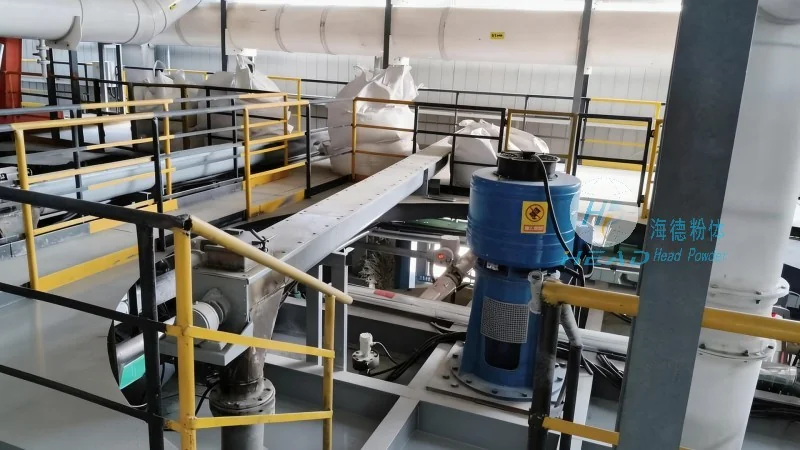
The core components of quantitative weighing material conveying equipment typically include a hopper, a weighing sensor, a conveyor system, a control unit, and a discharge mechanism. The hopper serves as the storage container for the bulk material, allowing it to flow into the weighing area. The weighing sensor, often a load cell, is integrated into the hopper or the weighing platform to detect the weight of the material in real-time. The conveyor system, which may be a belt or screw conveyor, is responsible for transporting the material from the weighing area to the discharge point. The control unit, usually a programmable logic controller (PLC), processes the data from the weighing sensor and controls the operation of the conveyor and other components. The discharge mechanism, such as a gate or valve, regulates the release of the material based on the set weight.
The operation process of quantitative weighing material conveying equipment generally follows a sequence of steps to achieve accurate material measurement and transfer. Initially, the bulk material is fed into the hopper from a primary conveyor or storage silo. As the material accumulates in the hopper, the weighing sensor continuously monitors the weight. When the weight reaches the pre-set target value, the control unit sends a signal to stop the material feed and activate the conveyor system. The conveyor then transports the measured material to the discharge point, where it is released into the next processing stage or storage container. After discharge, the system resets and prepares for the next batch of material. This cycle repeats automatically, ensuring consistent and repeatable material delivery.
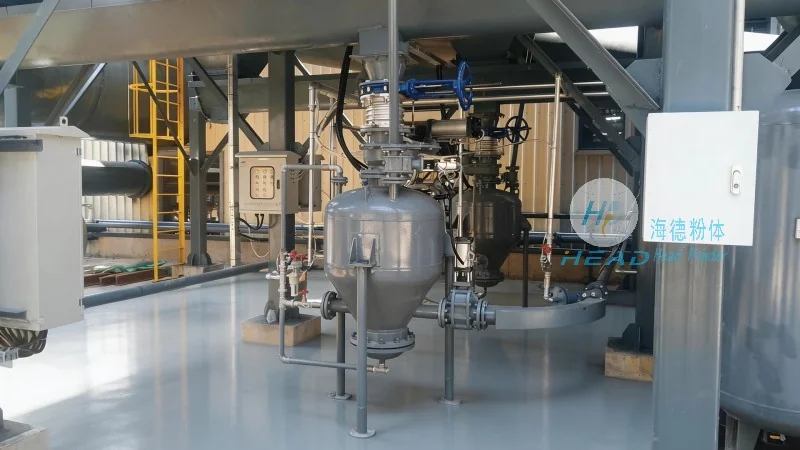
The working principle of the quantitative weighing mechanism relies on the principles of force measurement and signal processing. The load cell, a key component of the weighing sensor, converts the weight of the material into an electrical signal. This signal is then amplified and processed by the control unit. The control unit compares the actual weight with the set target weight and adjusts the material feed rate or conveyor speed accordingly. For example, if the actual weight is less than the target, the control unit increases the feed rate; if it exceeds the target, the feed rate is reduced. This closed-loop control system ensures that the material is weighed to a high degree of accuracy, typically within a few percent of the target value. The precision of the weighing mechanism is crucial for maintaining product consistency and preventing material waste or overloading in downstream processes.
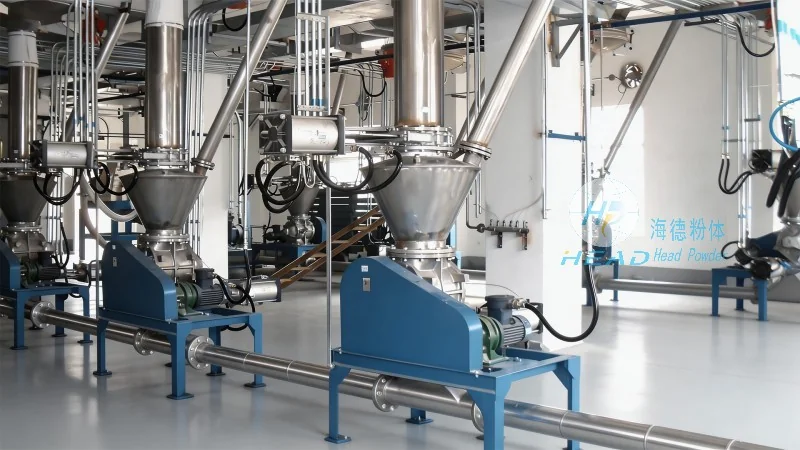
Quantitative weighing material conveying equipment offers several advantages in industrial applications. Its ability to provide precise and consistent material measurement helps improve production efficiency by reducing downtime caused by material shortages or excess. It also enhances product quality by ensuring that each batch of material meets the required specifications. Additionally, this equipment can handle a wide range of bulk materials, including powders, granules, and pellets, with minimal maintenance requirements. The applications of this equipment are diverse, including in chemical plants for raw material feeding, in food processing facilities for ingredient measurement, and in pharmaceutical manufacturing for active ingredient dosing. In each of these applications, the equipment plays a critical role in maintaining process control and regulatory compliance.
Proper maintenance is essential to ensure the long-term performance and reliability of quantitative weighing material conveying equipment. Regular checks of the weighing sensor, conveyor system, and control unit are necessary to detect and address any issues before they cause significant downtime. The hopper and discharge mechanism should be cleaned periodically to prevent material buildup and ensure smooth operation. Additionally, the control unit software should be updated as needed to maintain optimal performance and compatibility with other process systems. Operational considerations also include proper calibration of the weighing system to account for changes in material density or conveyor load. Calibration should be performed according to the manufacturer's guidelines and at regular intervals to ensure accuracy. By following these maintenance and operational guidelines, users can maximize the lifespan and efficiency of the equipment.

 Shandong Headpowder Engineering Co., Ltd.
 156-6277-7102(Manager Zhang)
  0531-83386006
  Zhangqiu District, Jinan City, Shandong Province, China
telephone
WeChatconsult
top