With more than 10‑year industry experience, Shandong Headpowder delivers full‑service pneumatic‑conveying systems and blowers, undertaking nationwide turn‑key powder‑handling projects.
Automatic feeding material conveying systems are critical components in modern industrial operations, designed to efficiently transport bulk materials from one location to another with minimal human intervention. These systems are widely used across various industries, including manufacturing, mining, and chemical processing, to enhance productivity and ensure consistent material flow. The operation of such systems involves a series of integrated processes and mechanisms that work in tandem to achieve reliable and efficient material handling.
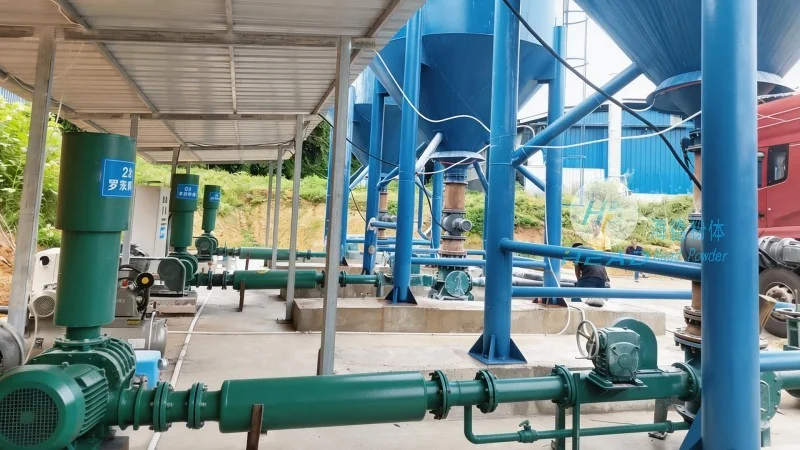
At the core of an automatic feeding material conveying system are several key components that work together to facilitate material movement. These include feeding hoppers, which hold and release material as needed; conveyor belts or chains that transport the material; control systems that regulate the speed and direction of the conveyor; and sensors that monitor the material level and flow. Each component plays a vital role in ensuring the system operates smoothly and efficiently. For instance, the feeding hopper is designed to maintain a consistent material supply, while the conveyor belt ensures that the material is moved to the desired destination without interruption. The control system, often equipped with programmable logic controllers (PLCs), allows for precise control over the entire process, adapting to changes in material volume or operational requirements. Sensors, such as level detectors and position sensors, provide real-time feedback to the control system, enabling automatic adjustments to maintain optimal performance.
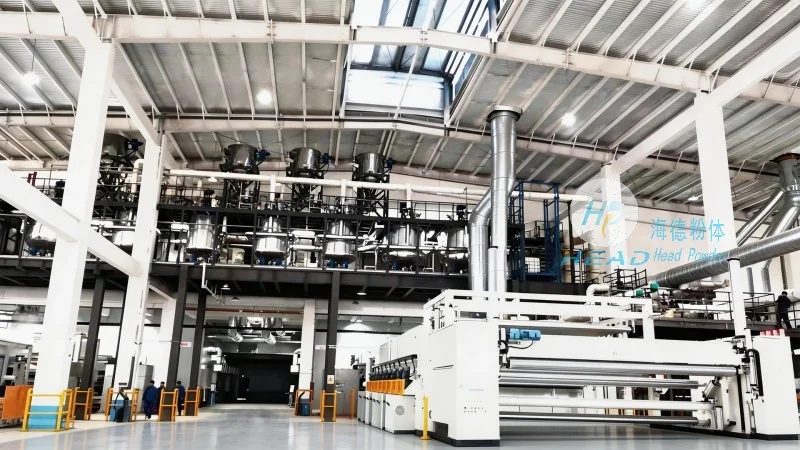
The operation process of an automatic feeding material conveying system typically begins with the material being loaded into the feeding hopper. The hopper is designed to hold a sufficient quantity of material to ensure continuous feeding, even during brief interruptions in material supply. Once the material is in the hopper, the control system activates the conveyor mechanism. The conveyor belt or chain then moves the material from the hopper to the discharge point, which may be a storage silo, a processing unit, or another conveyor system. The speed of the conveyor is controlled by the PLC, which adjusts it based on the material flow rate and the system's load. As the material moves along the conveyor, sensors monitor its position and level, providing feedback to the control system. If the material level in the hopper drops below a certain threshold, the control system triggers the material feed mechanism to replenish the hopper. Conversely, if the conveyor is overloaded or the material flow is too high, the system can slow down or stop to prevent damage or inefficiencies. This feedback loop ensures that the system operates continuously and efficiently, minimizing downtime and maximizing throughput. For example, in a manufacturing plant, the system might be used to feed raw materials to a production line. The hopper is filled with raw material, and the conveyor transports it to the production line at a steady rate. The sensors ensure that the hopper never runs out of material, and the control system adjusts the conveyor speed to match the production rate. This seamless operation allows the production line to run continuously without interruptions, improving overall productivity.
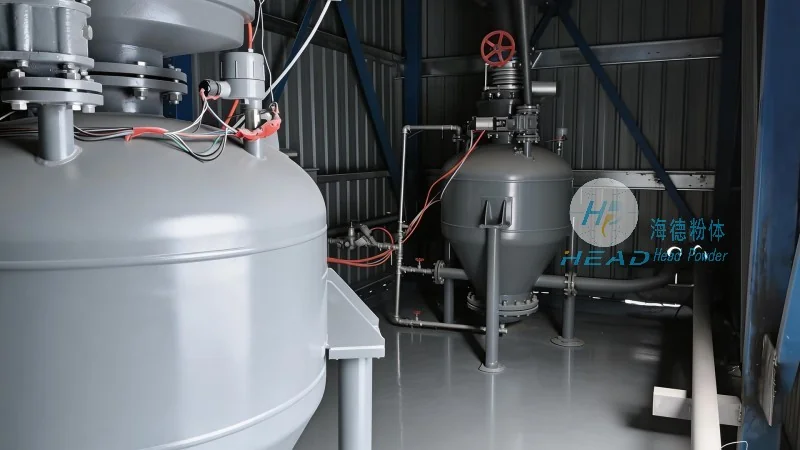
The working principle of an automatic feeding material conveying system is based on the integration of mechanical, electrical, and control technologies. The mechanical components, such as the conveyor belt and feeding hopper, are responsible for physically moving the material. The electrical components, including motors, sensors, and control panels, provide the power and monitoring capabilities. The control system, typically a PLC, coordinates the operation of all components by processing input signals from sensors and executing pre-programmed logic. For example, when the material level in the hopper is detected as low, the PLC sends a signal to the feeder to release more material. Similarly, if the conveyor belt is moving too fast, the PLC can reduce the motor speed to maintain a steady flow. The system also includes safety features, such as emergency stop buttons and overload protection, to prevent accidents and ensure operator safety. These features are integrated into the control system to provide an additional layer of protection. The overall working principle is to create a self-regulating system that can adapt to changing conditions, ensuring consistent and reliable material handling. This adaptability is crucial in industrial settings where material volumes and processing requirements can vary significantly.
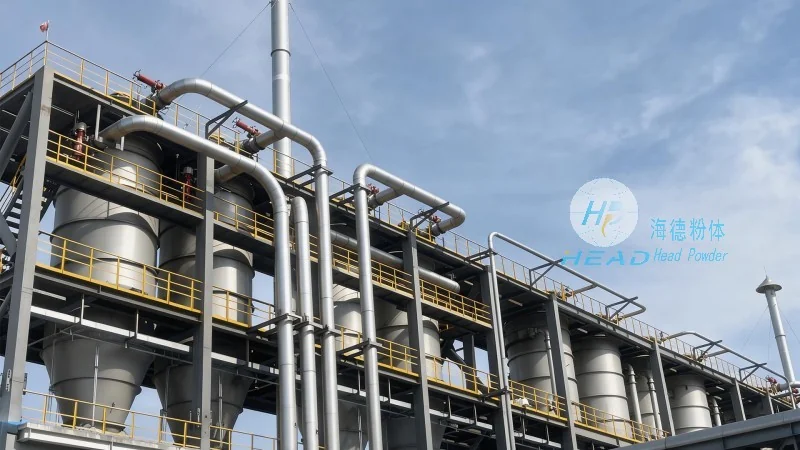
Automatic feeding material conveying systems are used in a wide range of applications across various industries. In manufacturing, these systems are commonly employed to transport raw materials to production lines, ensuring a steady supply of components for assembly. In mining operations, they are used to move mined materials from the extraction site to processing facilities, improving the efficiency of the extraction process. In chemical processing, they help transport bulk chemicals and powders to reactors and storage tanks, maintaining consistent flow rates and preventing contamination. The benefits of using such systems include increased productivity, reduced labor costs, improved safety, and enhanced material handling efficiency. By automating the material feeding process, companies can minimize human error and increase the consistency of material flow, leading to higher quality products and reduced waste. Additionally, the self-regulating nature of these systems allows for continuous operation, even during shifts or brief interruptions, ensuring that production processes are not disrupted. The use of sensors and control systems also enables real-time monitoring and data collection, which can be used to optimize the system's performance over time.

 Shandong Headpowder Engineering Co., Ltd.
 156-6277-7102(Manager Zhang)
  0531-83386006
  Zhangqiu District, Jinan City, Shandong Province, China
telephone
WeChatconsult
top