With more than 10‑year industry experience, Shandong Headpowder delivers full‑service pneumatic‑conveying systems and blowers, undertaking nationwide turn‑key powder‑handling projects.
Positive pressure blowing material conveying systems are widely used in various industrial applications for efficient and reliable material transport. This article provides a detailed overview of the operation process and working principle of such systems, highlighting the key components, operational steps, and technical aspects that contribute to their effectiveness. The information is presented by Shandong HeadPowder Engineering Co., Ltd., a leading provider of material handling solutions based in Shandong, China.
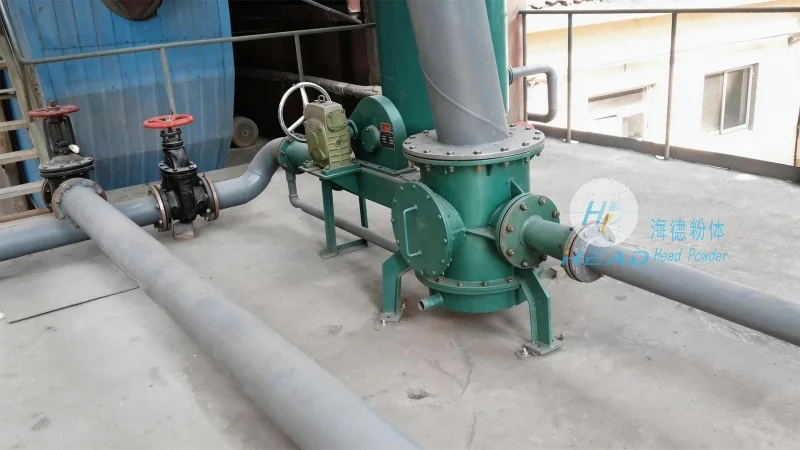
Positive pressure material conveying, also known as pressure-assisted or positive pressure blowing, is a method of transporting bulk materials through a sealed pipeline system by maintaining a positive pressure within the system. This approach ensures that the material is continuously moved from the source to the destination without the need for external vacuum or suction, making it suitable for a wide range of applications including powder, granules, and other particulate materials. The system operates by using a blower or compressor to generate the necessary pressure, which forces the material through the pipeline. This method is particularly effective for materials that are prone to caking, moisture absorption, or contamination, as it minimizes exposure to external elements and maintains a controlled environment.
A typical positive pressure material conveying system consists of several essential components that work in tandem to ensure smooth operation. These components include a blower or air compressor, a material feed hopper or inlet, a pipeline network, conveying ducts, control valves, and a discharge outlet or receiver. The blower is the primary power source, responsible for generating the airflow and pressure required to move the material. The material feed hopper is designed to hold the bulk material and feed it into the pipeline at a controlled rate. The pipeline network is made of durable materials such as stainless steel or plastic, which are resistant to corrosion and wear from the conveyed material. Control valves are used to regulate the flow rate and pressure within the system, ensuring optimal performance and preventing over-pressurization or material blockages. The discharge outlet is where the material is collected after being transported through the pipeline.
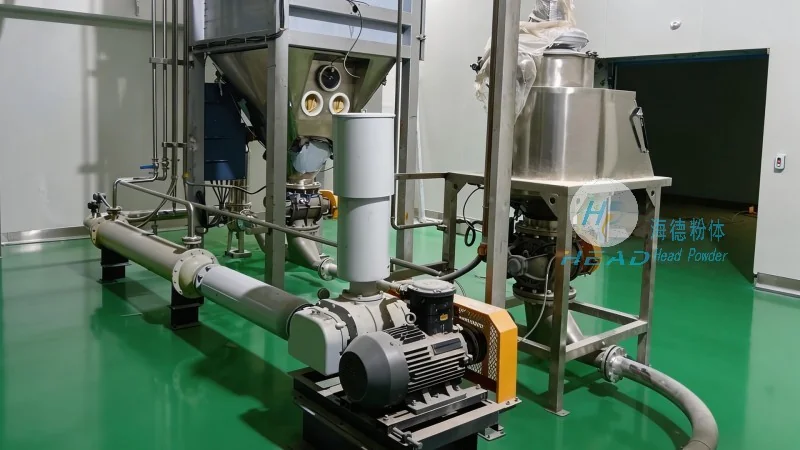
The operation process of a positive pressure material conveying system involves several sequential steps that ensure the efficient transport of material from the source to the destination. The process typically begins with the loading of the bulk material into the feed hopper. The material is then fed into the pipeline at a controlled rate, often using a rotary valve or screw feeder to maintain a consistent flow. The blower then starts operating, generating the necessary airflow and pressure to move the material through the pipeline. As the material is pushed through the ducts, it travels from the inlet to the outlet, with the pressure maintained throughout the system to prevent backflow or material settling. The system is equipped with sensors and controls that monitor the pressure, flow rate, and material level, allowing for real-time adjustments to optimize performance. When the material reaches the discharge outlet, it is collected in a receiving container or further processed as needed. The entire process is designed to be continuous and automated, reducing the need for manual intervention and improving overall operational efficiency.
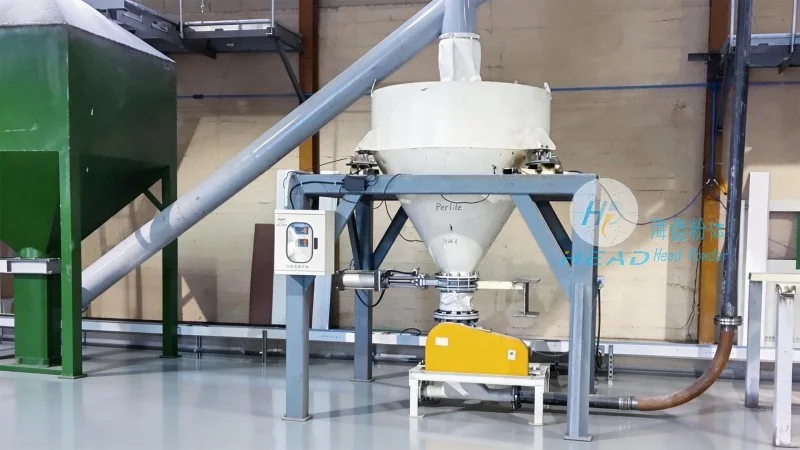
The working principle of positive pressure material conveying is based on the fundamental concept of fluid dynamics and pressure differentials. The system operates by creating a positive pressure within the pipeline, which is higher than the ambient pressure outside the system. This pressure differential causes the material to be pushed through the ducts by the moving air. The air and material mixture travels at a high velocity, ensuring that the material is fully suspended and transported efficiently. The blower provides the necessary kinetic energy to move the material, while the pipeline design ensures that the material is guided along the desired path without obstruction. The system maintains a consistent pressure throughout the pipeline, which helps to prevent material clogging and ensures a smooth flow. The control valves play a crucial role in regulating the pressure and flow rate, allowing the system to adapt to changes in material characteristics or operational conditions. By maintaining a positive pressure, the system also prevents the ingress of external contaminants and maintains a clean and controlled environment for the conveyed material.
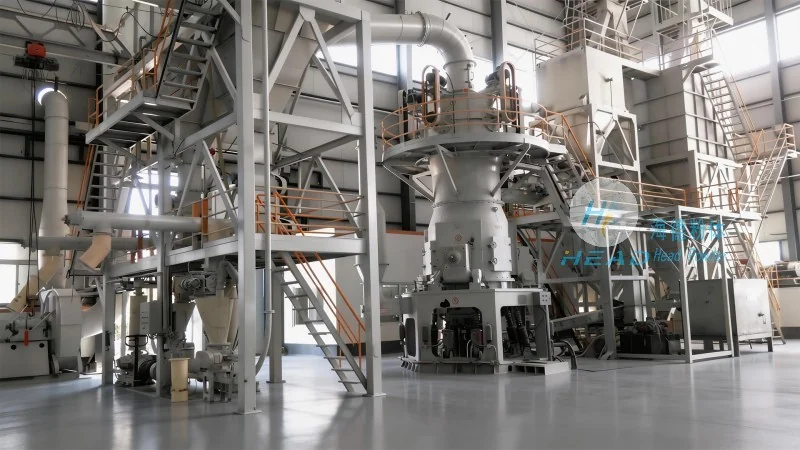
Positive pressure material conveying systems offer several advantages over other material transport methods, making them a preferred choice in many industrial applications. One of the key advantages is the ability to transport materials over long distances and at high speeds, with minimal loss or degradation. The sealed pipeline system also helps to maintain the quality of the material by preventing exposure to moisture, dust, or other contaminants. Additionally, the system is relatively simple to install and maintain, with fewer moving parts compared to other conveying methods. Positive pressure conveying is widely used in industries such as pharmaceuticals, food processing, chemical manufacturing, and mining, where the transport of sensitive or hazardous materials is required. The system is particularly suitable for materials that are prone to caking or bridging, as the positive pressure helps to break up agglomerates and maintain a consistent flow. Overall, positive pressure material conveying provides a reliable and efficient solution for bulk material transport, contributing to improved productivity and operational efficiency in various industrial settings.
Positive pressure material conveying systems are an essential component of modern material handling solutions, offering efficient and reliable transport of bulk materials. The operation process and working principle of such systems involve a combination of mechanical components and control systems that work together to ensure optimal performance. By maintaining a positive pressure within the pipeline, these systems effectively transport materials while minimizing exposure to external elements and maintaining a controlled environment. Shandong HeadPowder Engineering Co., Ltd., based in Shandong, China, specializes in the design, manufacturing, and installation of positive pressure material conveying systems, providing customized solutions tailored to the specific needs of various industries. With a focus on quality, efficiency, and reliability, the company delivers innovative material handling solutions that enhance operational performance and contribute to the success of its clients. Whether for short or long-distance transport, positive pressure conveying remains a preferred choice for industries seeking efficient and effective material transport solutions.

 Shandong Headpowder Engineering Co., Ltd.
 156-6277-7102(Manager Zhang)
  0531-83386006
  Zhangqiu District, Jinan City, Shandong Province, China
telephone
WeChatconsult
top