

Operation Process and Working Principle of Wood Fiber Powder Conveying Line
Wood fiber powder conveying lines are critical in industrial settings for efficiently transporting wood fiber powders from one location to another. These systems are engineered to handle the unique properties of wood fiber powders, such as their light weight, tendency to agglomerate, and varying particle sizes. The operation of a wood fiber powder conveying line involves several key components and a systematic process that ensures smooth and reliable material transfer. This article explores the operation process and working principle of such a line, highlighting the technical aspects and practical applications.
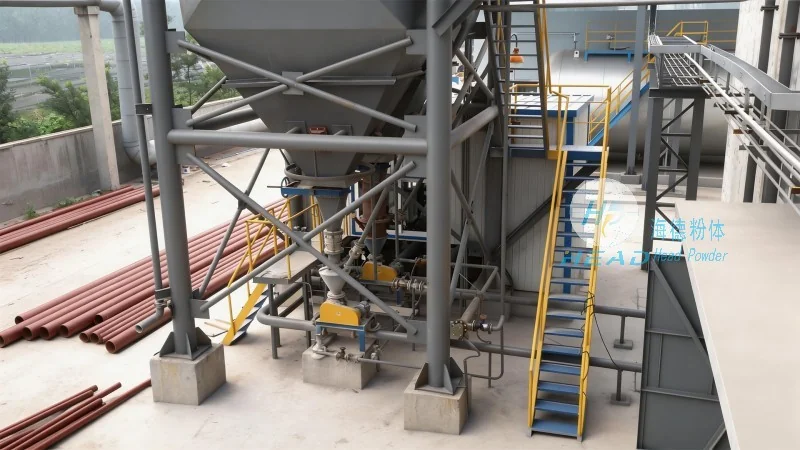
Introduction to the Wood Fiber Powder Conveying Line
A wood fiber powder conveying line is a specialized system used in industries like paper manufacturing, woodworking, and biomass energy production. It is designed to transport wood fiber powders, which are typically produced from wood chips or sawdust through mechanical processing. The primary objective of this line is to move these powders from a storage or processing area to a processing unit, such as a paper machine or a pelletizing machine, with minimal loss and maximum efficiency. The system generally includes components like hoppers, feeders, conveyors, and control systems, all working in tandem to achieve the desired material flow.
Key Components and Their Roles
The effective operation of a wood fiber powder conveying line relies on several critical components, each with a specific function. The main components include:
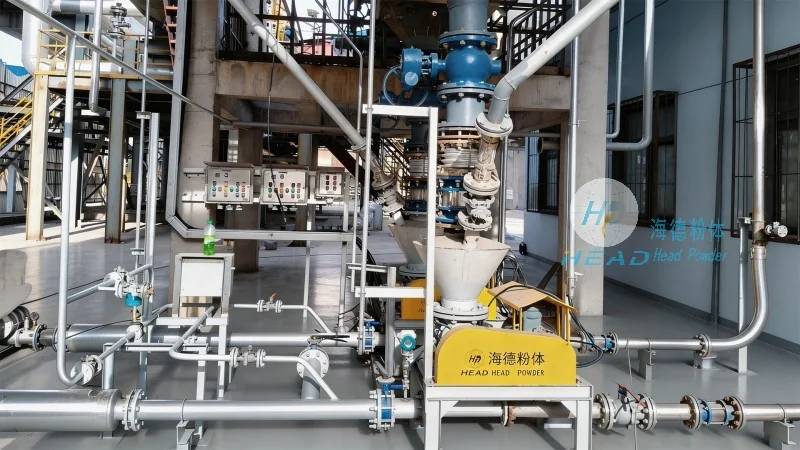
- Feed Hopper: This is the initial storage container where wood fiber powders are collected. It is designed to hold a large volume of material and provide a consistent feed to the subsequent components. The hopper may have a sloped bottom to facilitate the flow of powder into the feeder.
- Pneumatic Feeder: The feeder is responsible for controlling the flow rate of the wood fiber powder from the hopper. It ensures a steady and controlled discharge of material into the conveying system. Pneumatic feeders use air pressure to move the powder, preventing clogging and maintaining uniform flow.
- Pneumatic Conveying System: This is the core of the conveying line, which uses air pressure to transport the wood fiber powder through a pipeline. The system typically consists of a blower or compressor that generates the necessary air pressure, and a series of pipes or hoses that guide the material. The conveying method can be either positive or negative pressure, depending on the system design and the material properties.
- Control System: The control system monitors and regulates the operation of the entire conveying line. It includes sensors to detect the level of material in the hopper, the flow rate of the powder, and the pressure in the conveying system. The control system ensures that the operation is safe, efficient, and responsive to changes in the process.
The Operation Process: Step-by-Step
The operation of a wood fiber powder conveying line follows a sequential process that ensures the smooth transfer of material. The steps are as follows:
- Material Loading: Wood fiber powders are loaded into the feed hopper from a storage silo or a processing machine. The hopper is filled to a certain level, ensuring that there is enough material for continuous operation.
- Feeding Control: The pneumatic feeder starts to operate, drawing the wood fiber powder from the hopper and feeding it into the conveying pipeline. The feeder controls the flow rate based on the requirements of the downstream processing unit.
- Conveying: The blower or compressor generates the air pressure, which pushes the wood fiber powder through the pipeline. The powder is carried by the air stream, moving from the hopper to the destination point, such as a paper machine or a pelletizer.
- Distribution: At the destination, the conveying system may include a separator or a distributor to direct the wood fiber powder to the appropriate processing equipment. The powder is then discharged into the processing unit, where it is used for further production.
- Monitoring and Adjustment: The control system continuously monitors the operation parameters, such as the flow rate, pressure, and material level. If any parameter deviates from the set values, the system adjusts the feeder or the blower to maintain optimal operation.
Working Principle: How It Transfers Wood Fiber Powder
The working principle of a wood fiber powder conveying line is based on the principles of fluidization and pneumatic transport. The system uses air to create a fluidized bed of wood fiber powder, which allows the material to be moved through the pipeline. The key aspects of the working principle include:
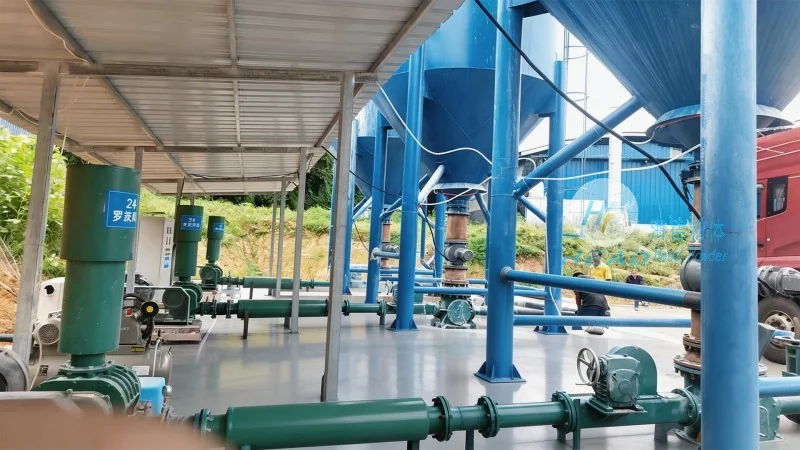
First, the wood fiber powder is fed into the conveying pipeline at a controlled rate. The air pressure generated by the blower or compressor is sufficient to lift the powder particles and carry them along the pipeline. The velocity of the air stream must be high enough to overcome the gravitational force acting on the powder particles but not so high as to cause excessive wear on the pipeline or equipment.
Second, the conveying system maintains a consistent air pressure and flow rate throughout the pipeline. This ensures that the powder particles are evenly distributed and do not settle or agglomerate, which could lead to blockages or inefficiencies. The system may include additional components, such as cyclones or filters, to separate the powder from the air at the destination, ensuring that the material is delivered in a clean and dry state.
Technical Advantages and Applications
Wood fiber powder conveying lines offer several technical advantages that make them suitable for various industrial applications. These advantages include:
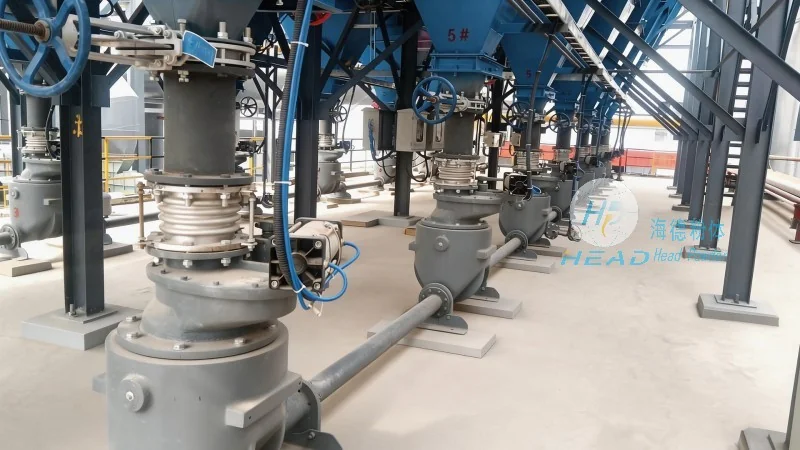
- Efficient Material Transfer: The system can transport wood fiber powders over long distances with minimal loss and high efficiency. This is particularly important in industries where material handling costs are a significant factor.
- Low Maintenance: Pneumatic conveying systems are relatively simple and require less maintenance compared to mechanical conveyors. The absence of moving parts in the pipeline reduces the risk of wear and tear, leading to lower maintenance costs.
- Versatility: The system can handle a wide range of wood fiber powder properties, including different particle sizes, moisture content, and agglomerate tendencies. This makes it suitable for various applications, from paper manufacturing to biomass energy production.
- Environmental Benefits: Pneumatic conveying systems can be designed to minimize dust emissions and improve air quality. The system may include dust collection and filtration equipment to comply with environmental regulations.
Shandong HeadPowder Engineering Co., Ltd., a leading manufacturer of wood fiber powder processing equipment, specializes in designing and manufacturing high-quality conveying lines for wood fiber powders. With years of experience in the industry, the company has developed advanced systems that meet the specific needs of various applications. The company's products are known for their reliability, efficiency, and durability, making them a preferred choice for industries that require consistent and reliable material transfer.
Located in Shandong, China, Shandong HeadPowder Engineering Co., Ltd. has a strong presence in the global market, serving clients in various countries with its innovative and reliable wood fiber powder conveying solutions. The company's commitment to quality and customer satisfaction has earned it a reputation as a trusted partner in the industry.