With more than 10‑year industry experience, Shandong Headpowder delivers full‑service pneumatic‑conveying systems and blowers, undertaking nationwide turn‑key powder‑handling projects.
Introducing the operation process and working principle of intermittent powder conveying lines, this article aims to provide a comprehensive understanding of the technology used in powder handling systems. As a key component in industrial material transport, these lines are essential for efficient and safe powder transfer in various applications.
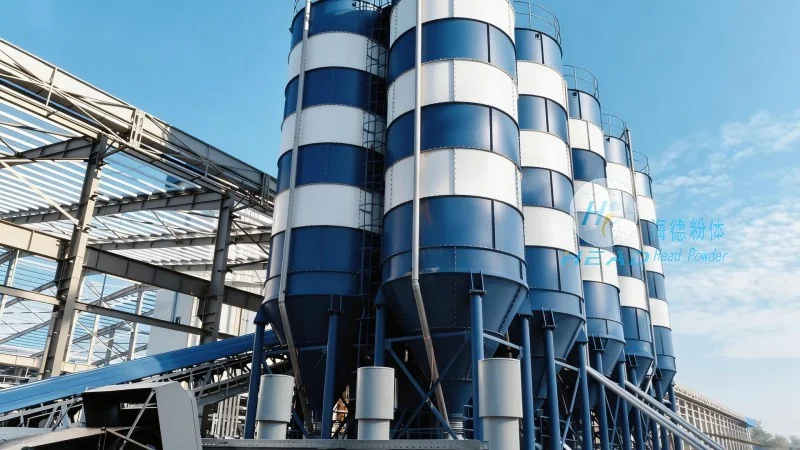
Intermittent powder conveying lines are specialized systems designed to transport bulk powders in a controlled manner. Unlike continuous conveying systems, these lines operate in cycles, moving material in discrete batches. This approach is particularly useful for applications requiring precise control over the quantity and timing of material transfer, such as in pharmaceutical, food processing, and chemical industries. The design of these lines ensures minimal product degradation, contamination, and loss, making them ideal for sensitive materials.
The operation of an intermittent powder conveying line relies on several critical components that work in tandem to achieve efficient material transport. These components typically include a hopper or feed hopper for material storage, a conveyor mechanism (such as a screw or belt conveyor) for moving the powder, a control system for regulating the conveying process, and a discharge mechanism for releasing the material at the destination. Each component plays a vital role in ensuring the smooth and reliable operation of the system.
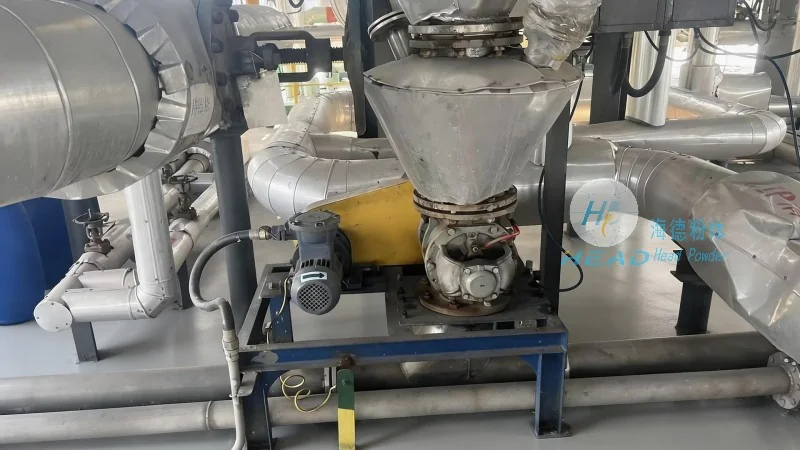
The working principle of an intermittent powder conveying line involves a series of steps that are carefully controlled to maintain the integrity of the powder. The process begins with the material being fed into the hopper from a storage silo or batch container. The control system then activates the conveyor mechanism, which moves the powder in a controlled manner. The conveyor operates in short intervals, allowing for precise control over the amount of material conveyed. This intermittent operation helps prevent overloading and ensures that the material is transferred in manageable batches. The discharge mechanism then releases the conveyed powder into the receiving container or processing equipment. The entire process is monitored and adjusted by the control system to maintain consistent performance and prevent issues such as clogging or material degradation.
Understanding the step-by-step operation of an intermittent powder conveying line is crucial for operators and maintenance personnel. The process typically involves the following stages:
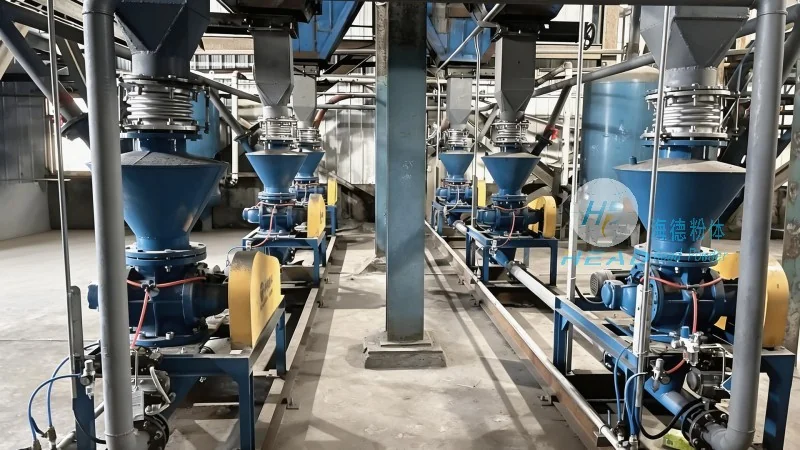
Intermittent powder conveying lines offer several advantages over continuous systems, making them a preferred choice for many industrial applications. These advantages include:
Intermittent powder conveying lines are widely used in various industries due to their versatility and efficiency. Some common applications include:
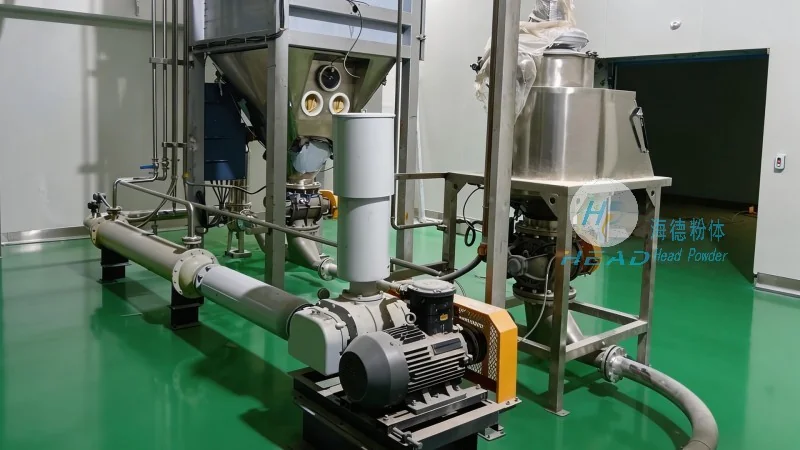
Proper maintenance and operational considerations are essential to ensure the long-term performance and reliability of intermittent powder conveying lines. Regular maintenance tasks include cleaning the hopper and conveyor, checking for wear and tear, and ensuring that the control system is functioning correctly. Operators should also be trained to monitor the system for any signs of issues, such as clogging or abnormal noise, and take appropriate action to prevent downtime or product damage.
Shandong HeadPowder Engineering Co., Ltd., also known as headpowder, is a leading manufacturer and supplier of powder handling equipment. With a focus on innovation and quality, the company provides a wide range of products, including intermittent powder conveying lines, to meet the needs of various industries. Headpowder's commitment to customer satisfaction and technical excellence has made it a trusted partner for businesses worldwide. The company's headquarters is located in Shandong, China, where it operates a state-of-the-art manufacturing facility and a dedicated research and development team.

 Shandong Headpowder Engineering Co., Ltd.
 156-6277-7102(Manager Zhang)
  0531-83386006
  Zhangqiu District, Jinan City, Shandong Province, China
telephone
WeChatconsult
top