With more than 10‑year industry experience, Shandong Headpowder delivers full‑service pneumatic‑conveying systems and blowers, undertaking nationwide turn‑key powder‑handling projects.
HeadPowder, a leading manufacturer based in Shandong, China, specializes in the design and production of advanced pneumatic conveying systems for powder carbon additives. The system is engineered to efficiently transport carbon additive powders from storage silos to various industrial applications, ensuring minimal loss and optimal material handling. This article delves into the operational process and underlying principles of such a system, highlighting its key components and functional mechanisms.
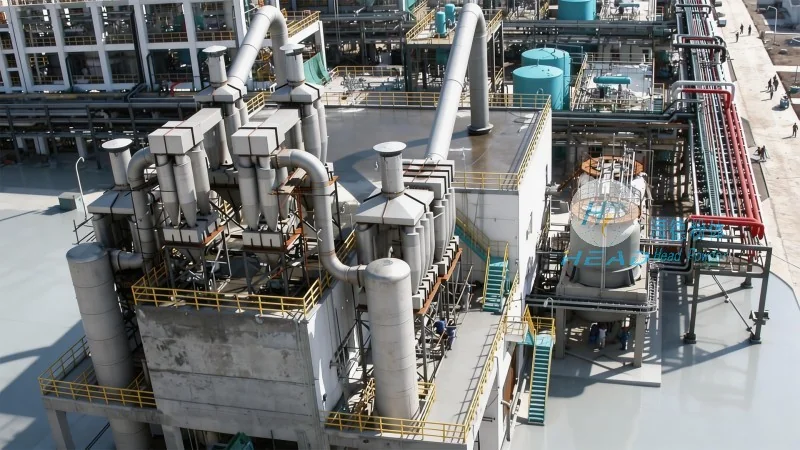
The powder carbon additive pneumatic conveying system consists of several critical components that work in tandem to achieve seamless material transport. These include a storage silo, a feeder, a conveying line, a control valve, and a dust collector. The storage silo is where the carbon additive powder is stored, typically under a sealed environment to prevent moisture and contamination. The feeder, often a rotary valve or a screw feeder, regulates the flow of powder from the silo into the conveying line. The conveying line, usually made of stainless steel or other corrosion-resistant materials, is the main pathway for the powder. The control valve manages the air flow and pressure within the system, while the dust collector ensures that any airborne particles are captured and returned to the system or disposed of safely.
The operation of the powder carbon additive pneumatic conveying system is based on the principle of air pressure and flow. The system uses a blower or a compressor to generate a high-pressure air stream. This air stream is introduced into the conveying line, creating a negative pressure environment that draws the carbon additive powder from the storage silo. The powder is then suspended in the air stream and transported through the conveying line to the destination point, such as a furnace or a processing unit. The speed and pressure of the air stream are carefully controlled to ensure that the powder is conveyed efficiently without causing blockages or excessive wear on the system components.
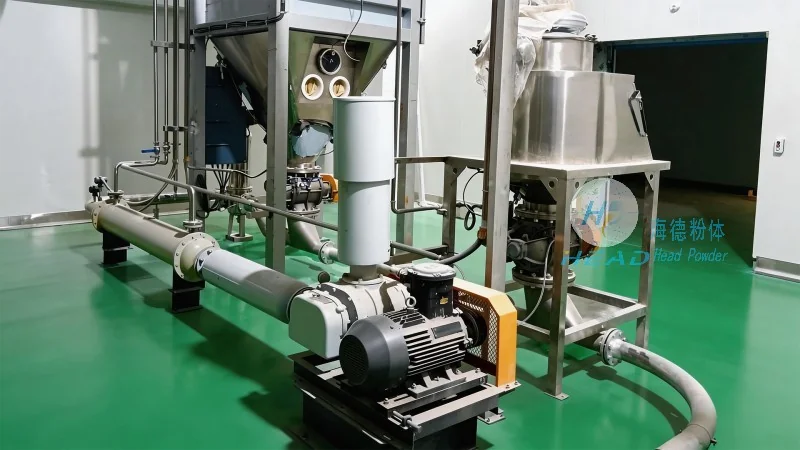
The operational process of the system begins with the loading of carbon additive powder into the storage silo. The silo is equipped with a level indicator to monitor the powder volume, ensuring that the system can be replenished as needed. When the system is activated, the feeder starts to discharge the powder into the conveying line. The control valve adjusts the air pressure to maintain a consistent flow rate, preventing the powder from settling or clogging the line. The conveying line may include bends, elbows, or other fittings, which are designed to minimize pressure loss and maintain the flow of the powder-air mixture. Upon reaching the destination, the powder is discharged through a valve or a hopper, and the air is filtered by the dust collector to remove any residual particles. The entire process is automated, with sensors and controls monitoring key parameters such as pressure, flow rate, and temperature to ensure optimal performance and safety.
Compared to traditional mechanical conveying methods, the pneumatic conveying system offers several advantages for handling carbon additive powders. These include reduced material loss, as the system is fully enclosed and sealed, preventing dust and contamination. The system also provides high flexibility in terms of material transport, allowing for multiple destinations and varying flow rates. Additionally, the automated operation reduces labor costs and improves safety by minimizing human exposure to the powder. The system is also easy to maintain, with replaceable components and regular cleaning procedures to ensure long-term reliability.
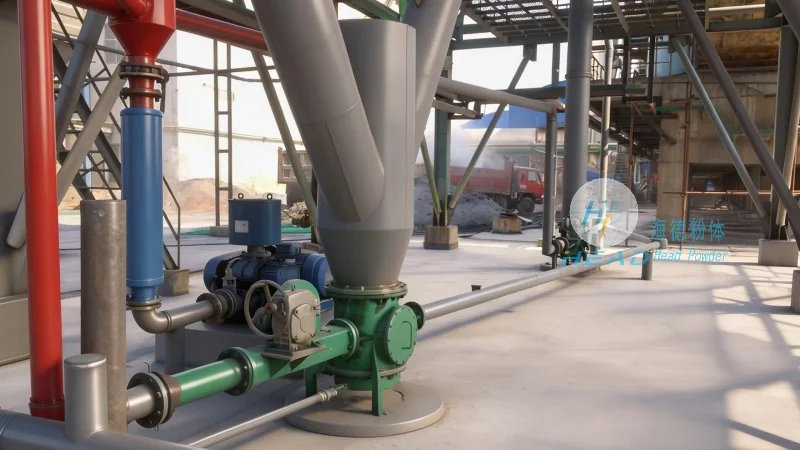
The powder carbon additive pneumatic conveying system is widely used in various industries that require the handling of carbon additives, including steel manufacturing, foundries, and chemical processing. In steel production, the system is used to transport carbon additive powders to blast furnaces or ladle furnaces, where they are added to the molten steel to adjust its carbon content. In foundries, the system is used to supply carbon additives to casting processes, improving the quality and properties of the castings. The system is also used in chemical plants to handle carbon-based powders for various applications, such as in the production of carbon black or other chemical products.
HeadPowder's powder carbon additive pneumatic conveying system is a reliable and efficient solution for the transportation of carbon additive powders. By understanding the operational process and working principles of the system, users can optimize its performance and ensure safe and effective material handling. With its advanced design and robust components, the system is suitable for various industrial applications and offers significant benefits over traditional conveying methods.

 Shandong Headpowder Engineering Co., Ltd.
 156-6277-7102(Manager Zhang)
  0531-83386006
  Zhangqiu District, Jinan City, Shandong Province, China
telephone
WeChatconsult
top