With more than 10‑year industry experience, Shandong Headpowder delivers full‑service pneumatic‑conveying systems and blowers, undertaking nationwide turn‑key powder‑handling projects.
Shandong HeadPowder Engineering Co., Ltd., commonly known as headpowder, specializes in the design, manufacturing, and installation of advanced pneumatic conveying systems tailored for handling alloy powders. With a focus on precision and efficiency, the company’s equipment is engineered to meet the demanding requirements of industrial applications where alloy powders are involved.
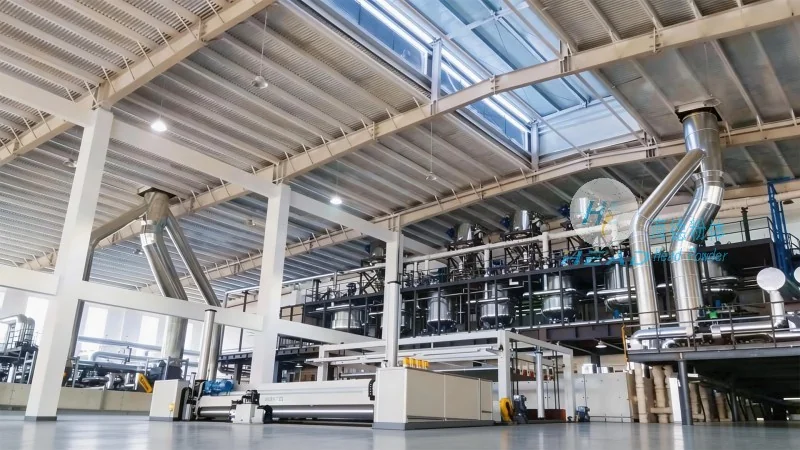
Alloy powder pneumatic conveying systems are sophisticated industrial solutions designed to transport fine or bulk alloy powders through a network of pipes using compressed air or other gas streams. These systems are critical in industries such as metallurgy, aerospace, and automotive manufacturing, where the integrity and purity of alloy powders must be preserved during transport. The systems are built to handle materials with varying particle sizes, densities, and flow characteristics, ensuring reliable and consistent performance.
The alloy powder pneumatic conveying system typically consists of several essential components that work in tandem to achieve efficient material transport. These include a material feeder, a conveying line (often equipped with pressure vessels or vacuum pumps), a control system, and a discharge unit. The material feeder is responsible for introducing the alloy powder into the system at a controlled rate, ensuring a steady flow. The conveying line, which may be pressure or vacuum-based, uses compressed air or gas to move the powder through the pipes. The control system monitors and regulates the pressure, flow rate, and other parameters to maintain optimal operation. Finally, the discharge unit collects the powder at the destination point, completing the transport process.
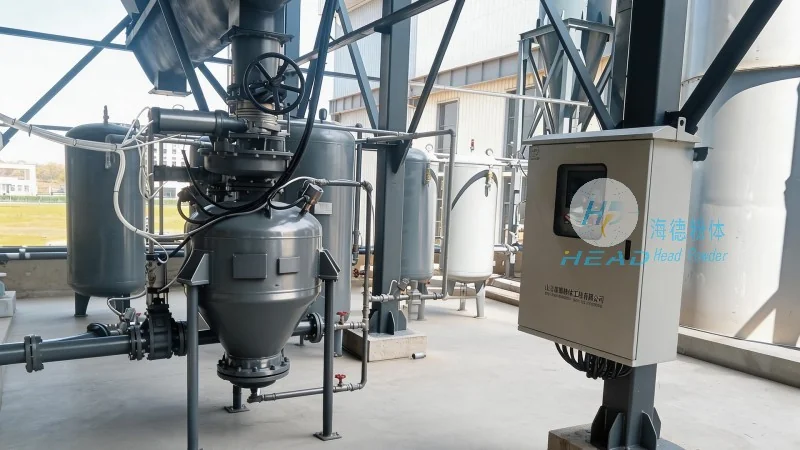
The operation of an alloy powder pneumatic conveying system involves a series of coordinated steps to ensure smooth and efficient material transfer. The process begins with the preparation of the alloy powder, which may involve drying or sieving to ensure consistent particle size and moisture content. Next, the material feeder activates and feeds the powder into the conveying line at a predetermined rate. Simultaneously, the compressed air system generates the necessary pressure or vacuum to initiate the flow. As the air and powder mixture travels through the pipes, the powder is suspended and transported to the destination. The control system continuously monitors the pressure and flow, adjusting the air supply as needed to maintain stable operation. Upon reaching the discharge point, the powder is collected in a hopper or container, and the air is filtered and returned to the system or released, depending on the configuration.
The core working principle of the alloy powder pneumatic conveying system is based on the use of air or gas to create a fluidized or suspended state of the powder particles. In a pressure system, compressed air is introduced into the material feeder, where it lifts the powder and forces it through the conveying line. The air velocity is maintained above the minimum fluidization velocity of the powder, ensuring that the particles remain suspended and do not settle. In a vacuum system, a vacuum pump creates a negative pressure that draws the powder from the source and transports it to the destination. The system’s design, including the pipe diameter, length, and bends, is optimized to minimize pressure drop and energy consumption while maintaining the desired flow rate. The use of specialized materials for the conveying line, such as stainless steel or PTFE-coated pipes, prevents contamination and corrosion, preserving the quality of the alloy powder.
Alloy powder pneumatic conveying systems offer several advantages over traditional methods like belt conveyors or bucket elevators. These include the ability to handle fine powders without clogging, reduced risk of material contamination due to enclosed systems, and the flexibility to transport materials over long distances or through complex layouts. However, the system’s performance is highly dependent on the properties of the alloy powder, such as particle size distribution, moisture content, and density. Proper system design and maintenance are crucial to ensure consistent operation and prevent issues like blockages or pressure losses. headpowder’s expertise in customizing systems to specific material characteristics ensures that clients receive solutions tailored to their unique needs, maximizing efficiency and minimizing downtime.
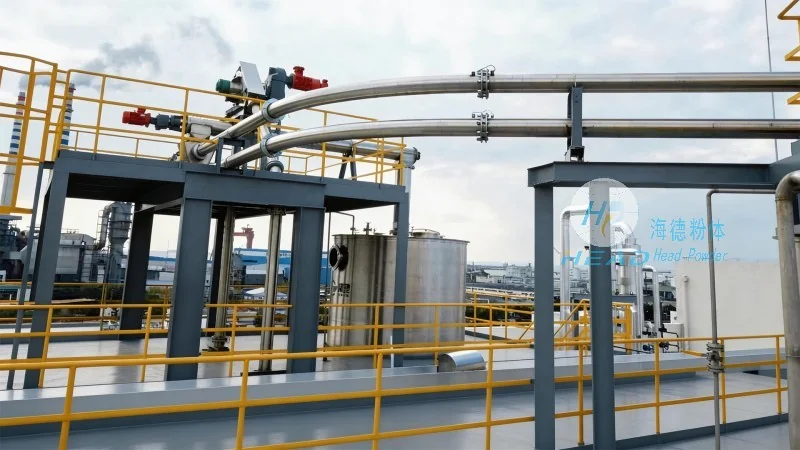
The successful operation of an alloy powder pneumatic conveying system requires careful installation and regular maintenance. During installation, the system components are aligned to minimize pressure drop and ensure smooth flow. Proper sealing of joints and connections is essential to prevent air leaks, which can reduce efficiency and increase energy consumption. Regular maintenance includes cleaning the conveying line and filters to remove accumulated powder, checking for wear and tear on components like the material feeder and control valves, and verifying the performance of the air compressor or vacuum pump. headpowder provides comprehensive support to clients, including installation services and maintenance programs, to ensure the system operates at peak performance throughout its lifecycle.
Alloy powder pneumatic conveying systems are essential equipment for industries that rely on the efficient and reliable transport of alloy powders. The systems, designed and manufactured by Shandong HeadPowder Engineering Co., Ltd., combine advanced engineering with robust construction to deliver high-performance solutions. By understanding the operation process and working principles of these systems, users can optimize their material handling processes, improve productivity, and maintain the quality of their alloy powders. With a focus on precision, efficiency, and customer satisfaction, headpowder continues to be a leader in providing innovative solutions for alloy powder handling needs.

 Shandong Headpowder Engineering Co., Ltd.
 156-6277-7102(Manager Zhang)
  0531-83386006
  Zhangqiu District, Jinan City, Shandong Province, China
telephone
WeChatconsult
top