With more than 10‑year industry experience, Shandong Headpowder delivers full‑service pneumatic‑conveying systems and blowers, undertaking nationwide turn‑key powder‑handling projects.
Sludge management is a critical aspect of wastewater treatment and environmental sustainability. Dry sludge pneumatic conveying is a sophisticated technology used to transport dry sludge efficiently and safely. This method involves the use of compressed air to move dry sludge particles through a pipeline system, offering advantages such as reduced moisture content, minimized odor, and enhanced handling capabilities compared to traditional wet sludge transport methods.
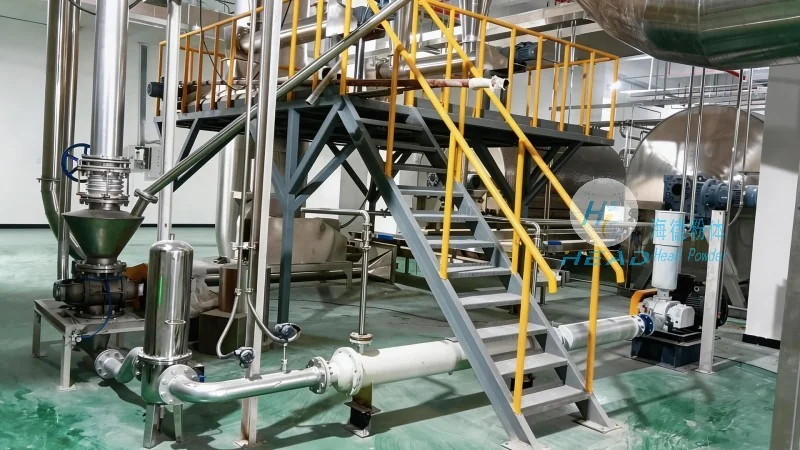
Dry sludge pneumatic conveying systems are designed to handle dry, non-Newtonian materials like dewatered sludge. The process relies on the principle of air flow to entrain and transport particles. By reducing the moisture content of the sludge to a dry state, the system achieves higher density and lower volume, making it easier to transport over long distances and to different processing facilities. This technology is particularly valuable in industrial and municipal wastewater treatment plants where efficient sludge handling is essential for maintaining operational efficiency and compliance with environmental regulations.
The operation process of a dry sludge pneumatic conveying system typically involves several key steps. First, the dry sludge is fed into the conveying line using a hopper or a feeding device. Compressed air is then introduced into the system, creating a flow that pulls the dry sludge particles along the pipeline. The system may include components such as a rotary valve, a pressure regulator, and a filter to ensure smooth and consistent operation. The dry sludge is transported from the source to the destination, such as a storage silo or a treatment facility, where it can be further processed or disposed of. The entire process is automated, with sensors and controls monitoring the flow rate, pressure, and moisture content to maintain optimal performance.
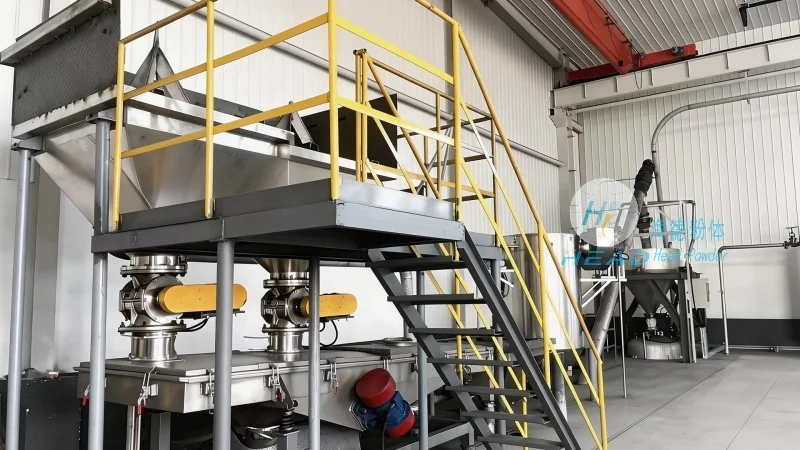
The working principle of dry sludge pneumatic conveying is based on the Bernoulli principle and the concept of fluidization. Compressed air is supplied to the conveying line at a high pressure, creating a low-pressure zone that draws the dry sludge particles into the air stream. The air and sludge mixture travels through the pipeline, with the air providing the necessary kinetic energy to move the particles. The system may use either positive or negative pressure, depending on the application. Positive pressure systems push the air and sludge mixture through the line, while negative pressure systems pull the mixture from the source. The design of the pipeline, including the diameter and length, is critical to ensure efficient transport without excessive energy consumption or pressure drops. The use of appropriate materials for the pipeline, such as stainless steel or plastic, is essential to prevent corrosion and maintain the quality of the dry sludge.
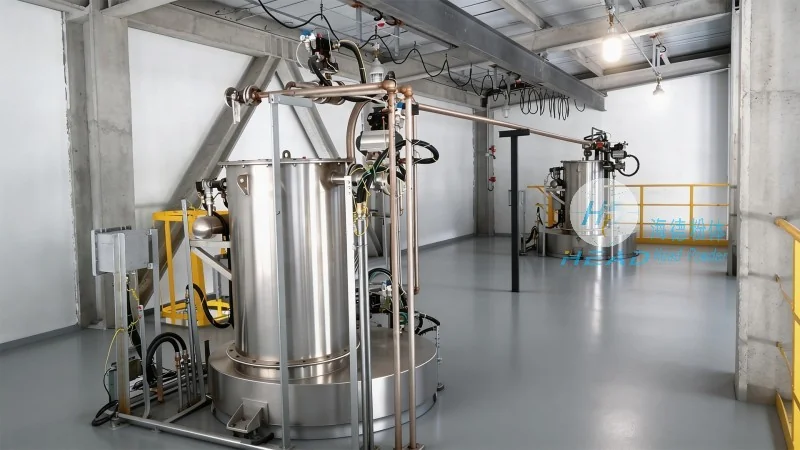
Dry sludge pneumatic conveying offers several advantages over traditional wet sludge transport methods. One of the primary benefits is the reduction in moisture content, which can significantly reduce the volume of sludge to be handled. This leads to lower transportation costs and increased storage capacity. Additionally, the dry state of the sludge minimizes odor and reduces the risk of clogging in the pipeline. The system is also more hygienic and safer to operate, as it eliminates the need for handling wet, heavy sludge. Furthermore, dry sludge pneumatic conveying can be integrated with other treatment processes, such as incineration or composting, to enhance overall efficiency. The technology is also flexible, allowing for the transport of sludge over long distances and to remote locations where traditional methods may not be feasible.
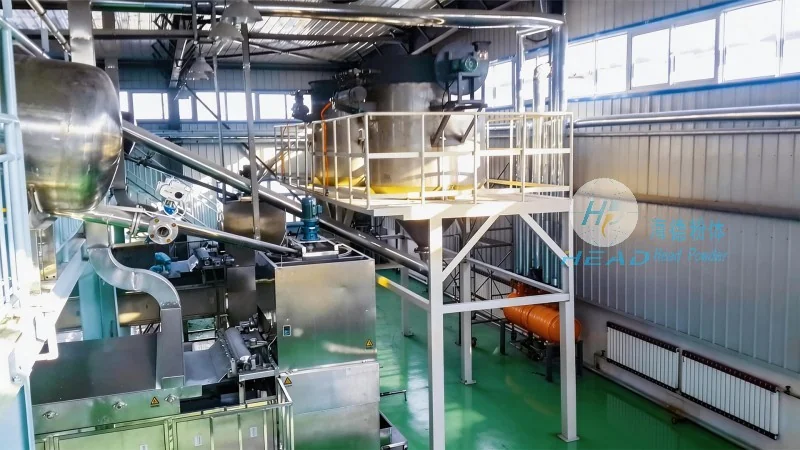
Dry sludge pneumatic conveying is widely used in various industries, including municipal wastewater treatment, industrial wastewater treatment, and solid waste management. In municipal wastewater treatment plants, the technology is used to transport dewatered sludge from the primary and secondary treatment stages to storage or disposal facilities. In industrial settings, it is employed to handle sludge from chemical, pharmaceutical, and food processing industries. The system is also used in the agricultural sector for the transport of sludge used as fertilizer. The versatility of dry sludge pneumatic conveying makes it suitable for a wide range of applications, from small-scale operations to large-scale industrial facilities.
Shandong HeadPowder Engineering Co., Ltd., commonly known as headpowder, is a leading provider of dry sludge pneumatic conveying systems and related engineering solutions. With a strong focus on innovation and quality, the company has established itself as a trusted partner in the sludge management industry. HeadPowder specializes in the design, manufacturing, and installation of customized dry sludge pneumatic conveying systems tailored to the specific needs of its clients. The company's team of experienced engineers and technicians ensures that each system is optimized for efficiency, reliability, and cost-effectiveness. HeadPowder's commitment to customer satisfaction and environmental responsibility has earned it a reputation for excellence in the industry. The company's headquarters is located in Shandong, China, where it operates a state-of-the-art research and development center and manufacturing facility. HeadPowder's products are designed to meet the highest standards of performance and durability, ensuring long-term operation and minimal maintenance.

 Shandong Headpowder Engineering Co., Ltd.
 156-6277-7102(Manager Zhang)
  0531-83386006
  Zhangqiu District, Jinan City, Shandong Province, China
telephone
WeChatconsult
top