With more than 10‑year industry experience, Shandong Headpowder delivers full‑service pneumatic‑conveying systems and blowers, undertaking nationwide turn‑key powder‑handling projects.
Understanding the operation process and working principle of dry dust removal equipment is crucial for industries seeking efficient air purification solutions. This equipment plays a vital role in maintaining air quality by removing particulate matter from industrial exhaust streams. The following sections will delve into the detailed operation process and the underlying principles that enable these systems to function effectively.
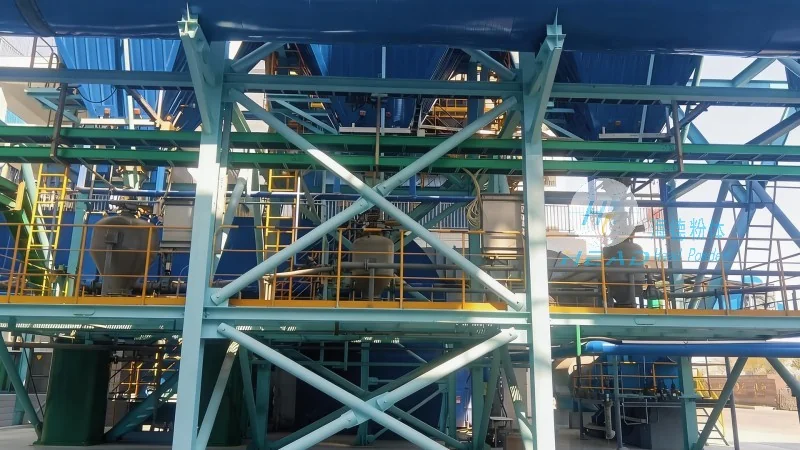
Dry dust removal equipment, also known as dry dust collectors, is a type of air filtration system designed to capture and remove dust and other particulate contaminants from industrial processes. Unlike wet dust collection methods, dry systems utilize mechanical or electrostatic forces to separate particles from the air stream without the use of water. This makes them suitable for applications where water usage is restricted or where the collected dust needs to be handled dry for further processing or disposal.
The operation process of dry dust removal equipment typically involves several key steps. First, the contaminated air is drawn into the system by a fan or blower. The air then passes through a series of components designed to separate the dust particles from the air. These components may include pre-filters, electrostatic precipitators, or mechanical filters, depending on the specific design of the equipment. As the air moves through these stages, the dust is captured and collected in a hopper or other storage container. The cleaned air is then discharged back into the environment or used in other parts of the industrial process.
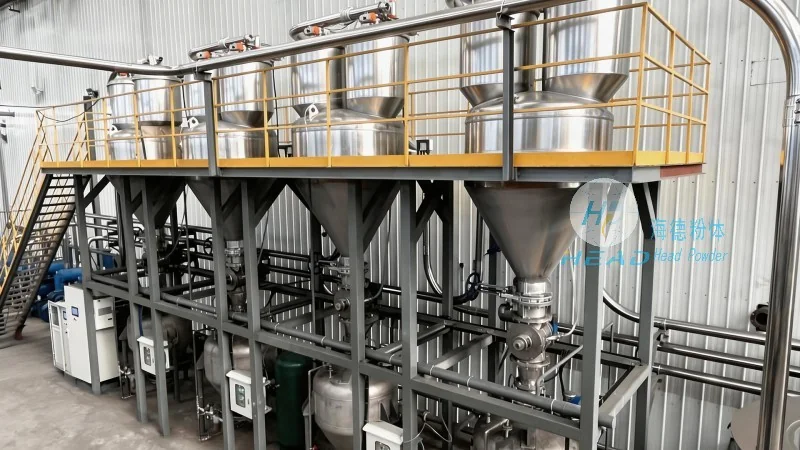
The working principle of dry dust removal equipment is based on the physical properties of particulate matter and the air stream. The primary mechanisms used to remove dust include filtration, electrostatic attraction, and mechanical impaction. In filtration systems, the air passes through a porous medium, such as a fabric or fiber filter, where the larger dust particles are trapped. Electrostatic precipitators use high-voltage electric fields to charge the dust particles, which are then attracted to and collected on oppositely charged plates. Mechanical filters, such as bag filters or cartridge filters, rely on the physical structure of the filter media to trap dust particles as the air flows through.
Several key components are integral to the effective operation of dry dust removal equipment. The fan or blower is responsible for creating the necessary airflow to move the contaminated air through the system. The inlet and outlet ducts direct the air into and out of the equipment, ensuring proper flow and minimizing pressure losses. The filter or collection media is the core component that captures the dust particles. In electrostatic precipitators, the high-voltage electrodes and collection plates are critical for generating and maintaining the electric field. The hopper or dust collection chamber stores the collected dust, allowing for periodic removal and disposal. Finally, the control system monitors the equipment's performance, such as pressure drop across the filters, and may trigger alarms or maintenance actions when necessary.
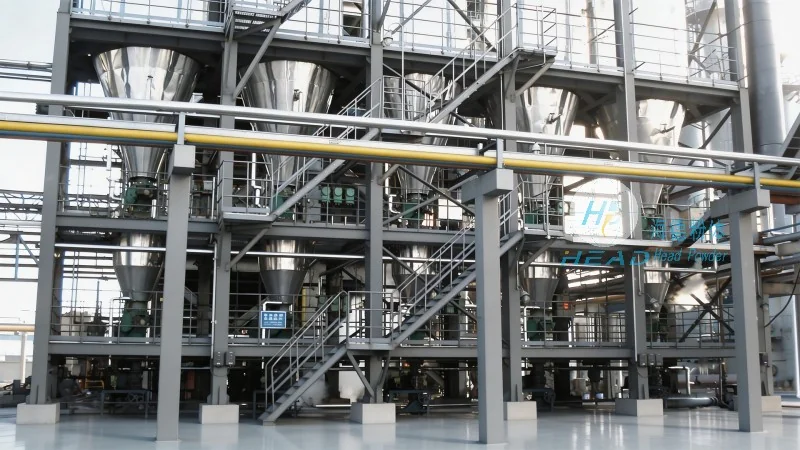
Dry dust removal equipment is widely used in various industrial sectors, including manufacturing, mining, and construction. These systems are particularly beneficial in applications where high air quality is required, such as pharmaceutical production, food processing, and electronics manufacturing. The benefits of using dry dust removal equipment include reduced operating costs compared to wet systems, as there is no need for water treatment or disposal of wastewater. Additionally, the collected dust can often be reused as a raw material in other processes, reducing waste and improving overall efficiency. The equipment also contributes to environmental compliance by meeting strict air emission standards.
Shandong HeadPowder Engineering Co., Ltd., operating under the brand name headpowder, is a leading manufacturer of dry dust removal equipment. With a focus on innovation and quality, the company provides a range of solutions tailored to meet the specific needs of industrial clients. Headpowder's products are designed to deliver high efficiency in dust collection while ensuring low maintenance and operational costs. The company's commitment to customer satisfaction and environmental responsibility has established it as a trusted partner in the industry. Headpowder's headquarters is located in Shandong, China, where the company's research and development team continuously works to improve its equipment and stay at the forefront of dust removal technology.

 Shandong Headpowder Engineering Co., Ltd.
 156-6277-7102(Manager Zhang)
  0531-83386006
  Zhangqiu District, Jinan City, Shandong Province, China
telephone
WeChatconsult
top